
WNN Toolbox
Our toolbox is where you will find restoration tools and information created by the Wairau Nature Network team or recorded from our workshops, webinars. Many of these restoration and conservation resources are tailored to Wairau, with reference to our landscape both native and modified, climate and native species.
These tools can also be found in the resources page where we also curate guides, techniques and information on best practice for restoration from across the web.
-
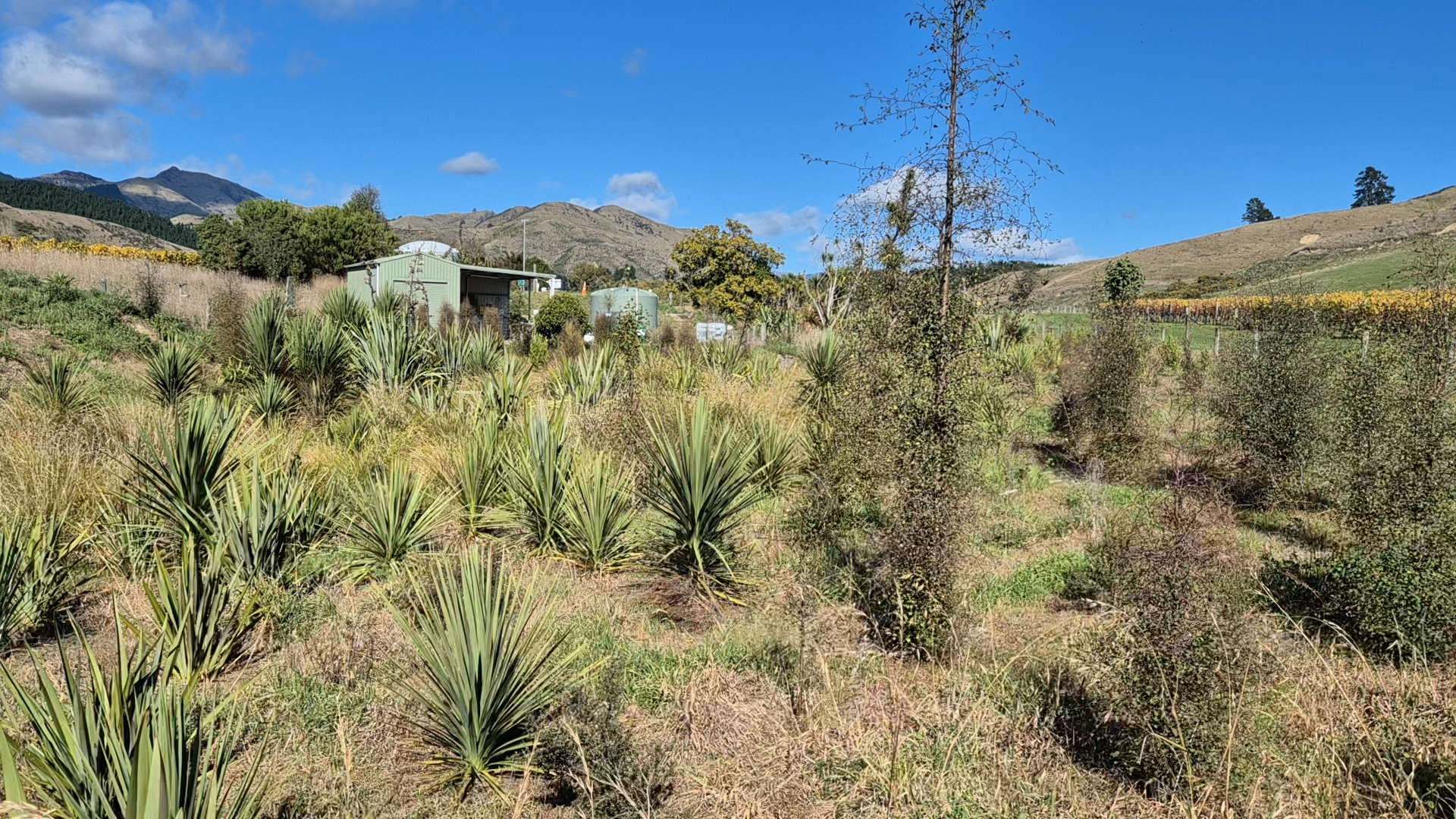
Turning fire mitigation into ecological restoration
Read more: Turning fire mitigation into ecological restorationCan a firebreak also deliver biodiversity, flood resilience, and landscape amenity? The Wairau Nature Network is answering this at Thomsons Ford Reserve. By establishing a 10m green break, the team is testing how low-flammability native species can replace flammable nurse…
-
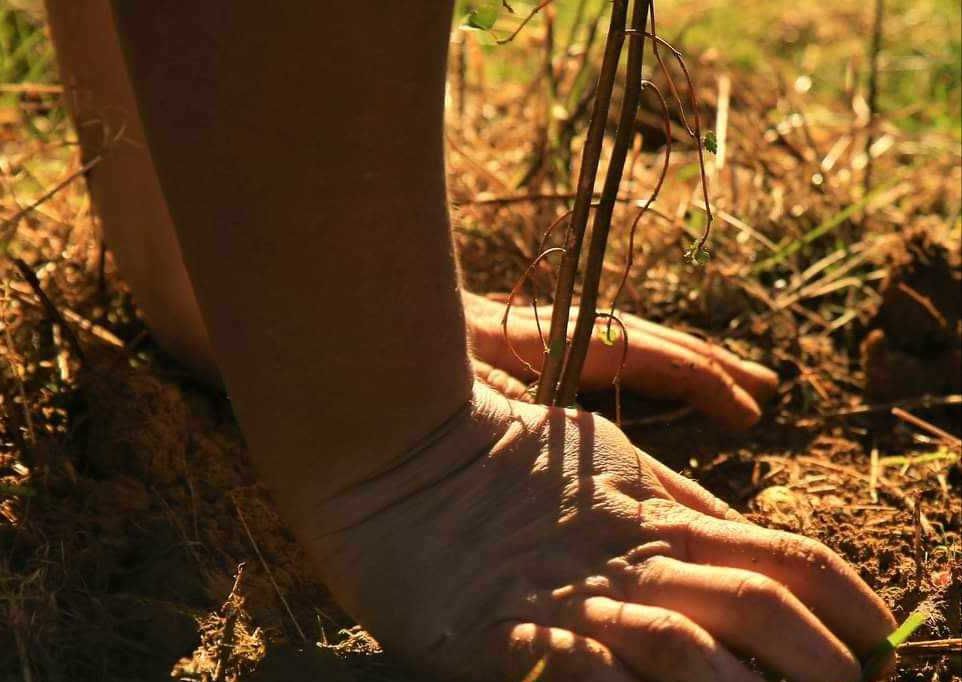
Planting Plan Template
Read more: Planting Plan TemplatePlanning your planting is critical to success. This template guides you through site preparation, maintenance and monitoring as well as planting design. View and download the template
-
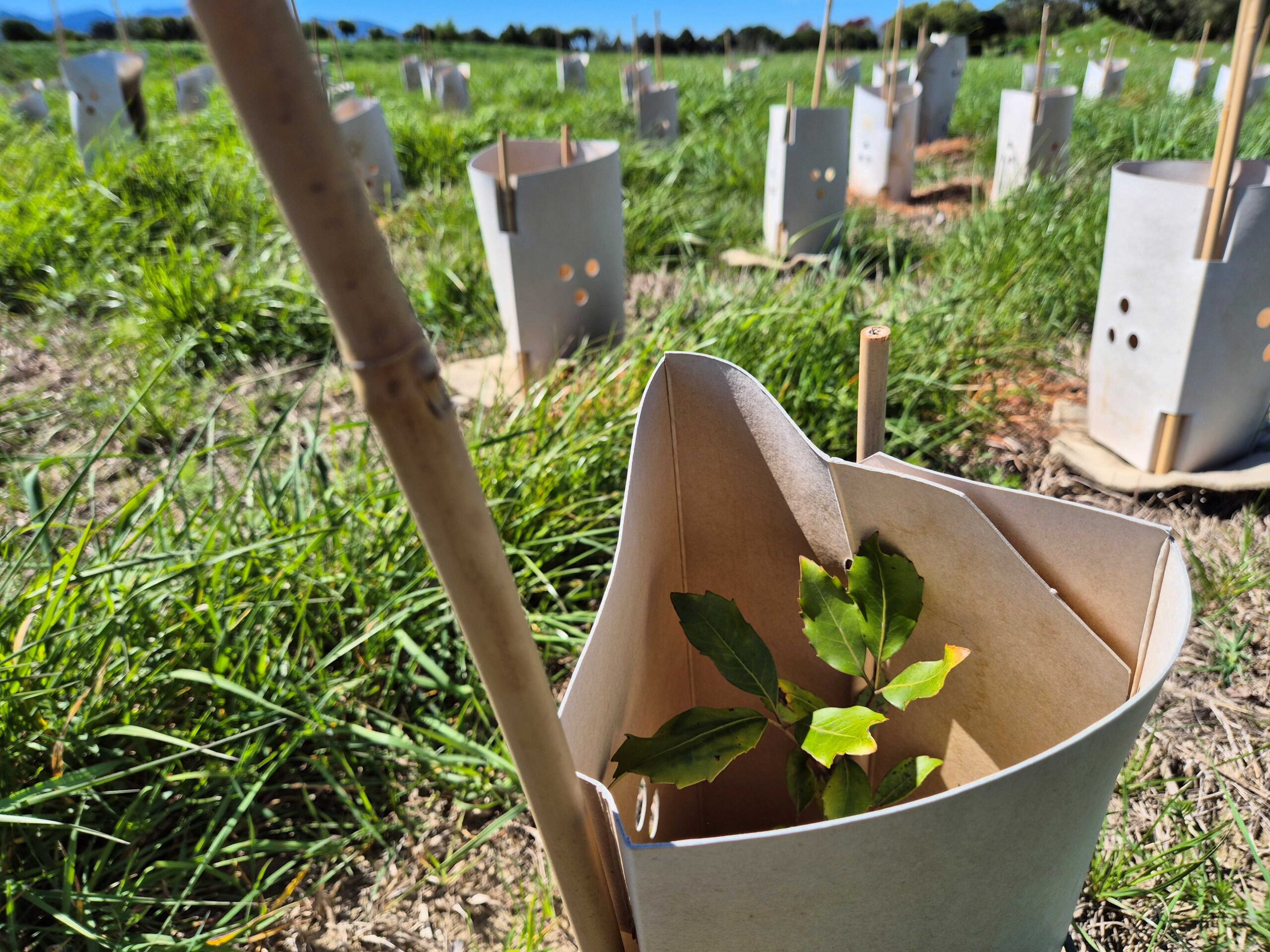
To guard or not to guard?
Read more: To guard or not to guard?Grow guards can be helpful, sometimes critical, in increasing survival of new planted trees. They help with protecting from dry winds, frosts, rabbits, hares and pukekos, and rank grass. However, if your conditions allow, you can save money by not…
-
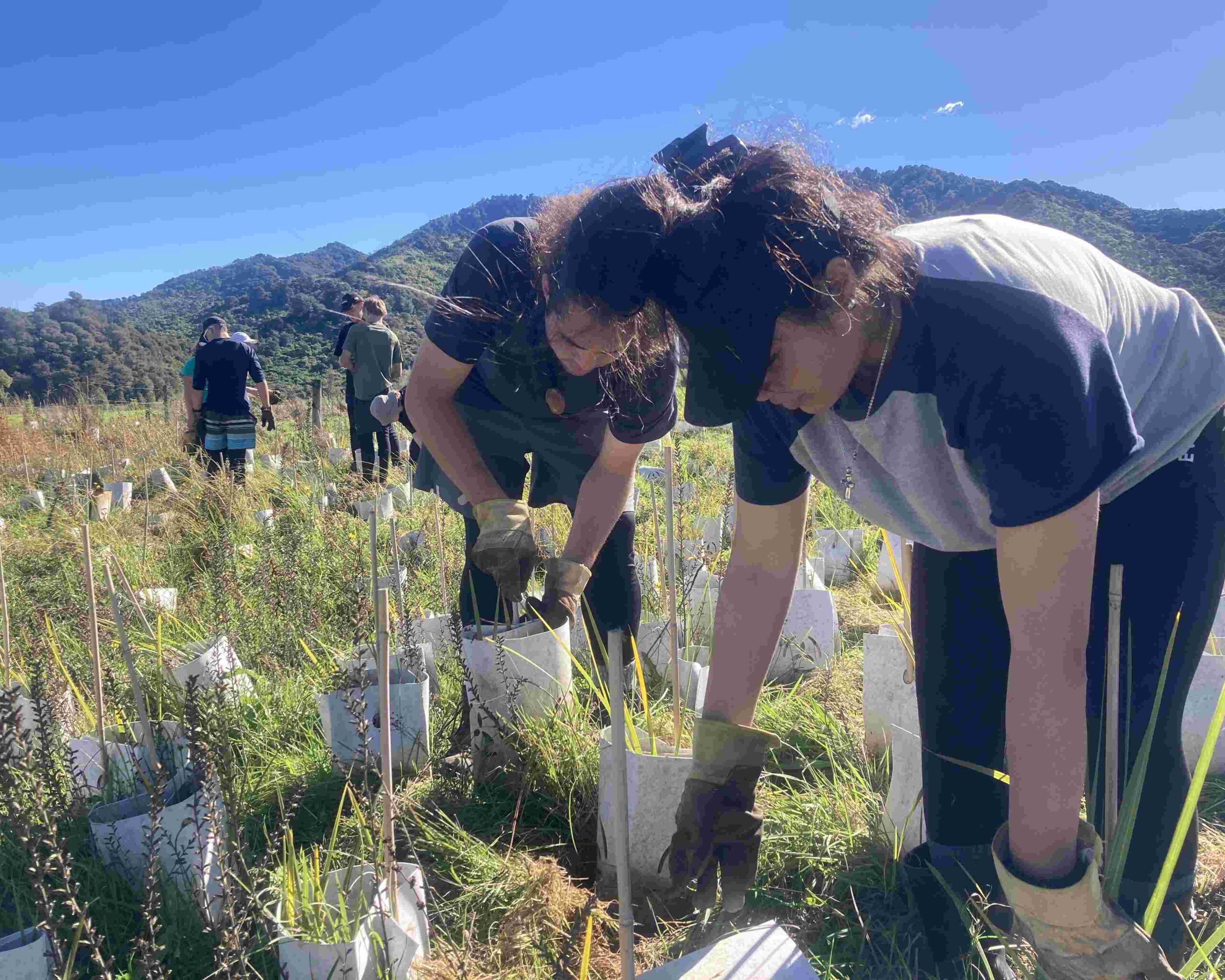
How to run a successful working bee
Read more: How to run a successful working beeWorking bees are a win–win: you get valuable work done on your land, while participants enjoy a meaningful day outdoors, learning, connecting with others, and contributing to environmental care. To help make your working bee safe, enjoyable, and productive, here…
-
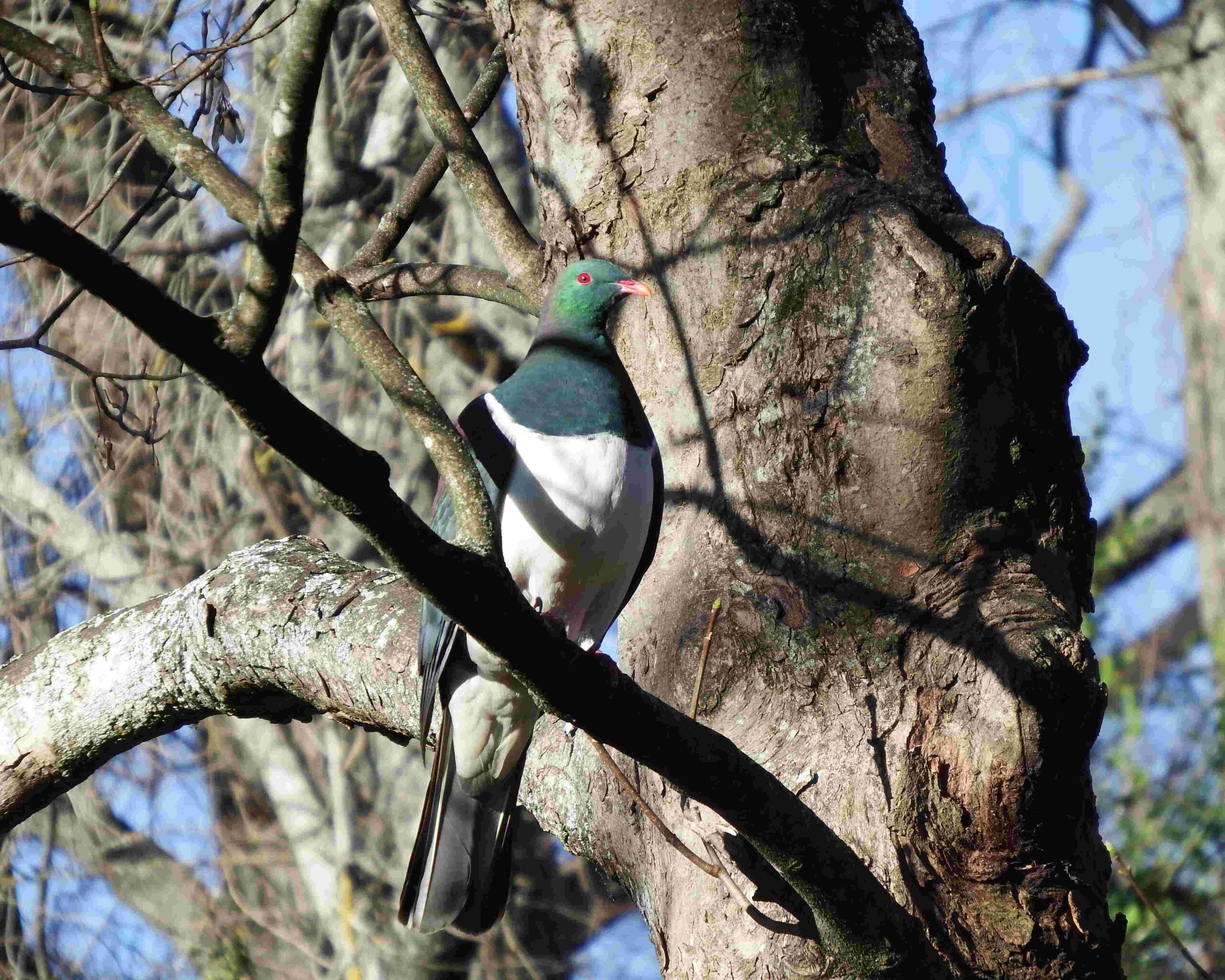
Plants for supporting kererū
Read more: Plants for supporting kererūThe kererū is vital to the survival of Aotearoa’s native forests. It is the only bird capable of swallowing and dispersing large native fruits (greater than 12mm in diameter) whole. Tree species such as tawa and miro rely on kererū…
-
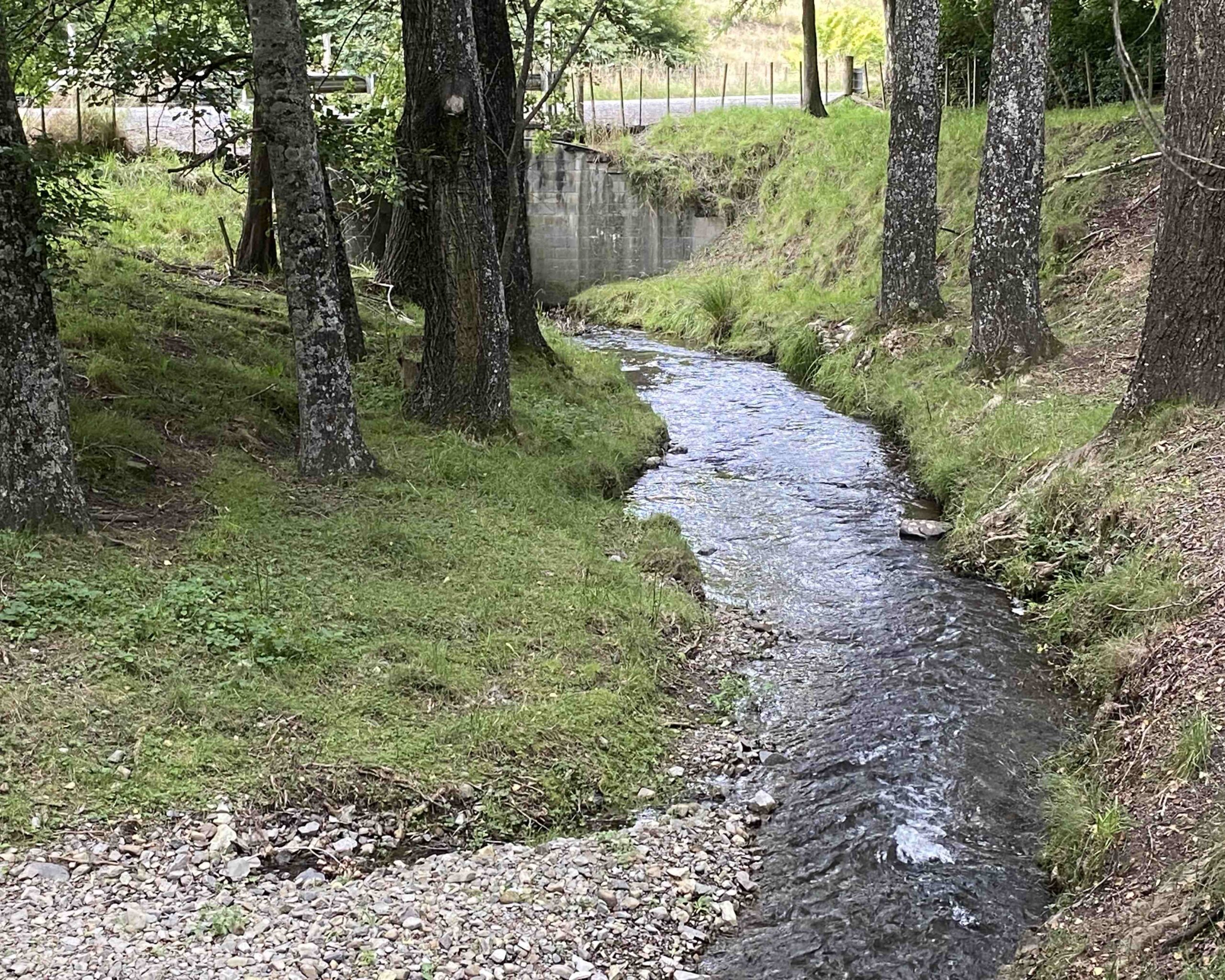
From ditches to wetlands: Restoring and reconnecting waterways
Read more: From ditches to wetlands: Restoring and reconnecting waterwaysWhat a fantastic Connecting Waterways workshop we had! It had it all – the technical, the informative, and the aspirational. But the real highlight was hearing connections being made across our network. Those conversations and shared ideas are where the…
-
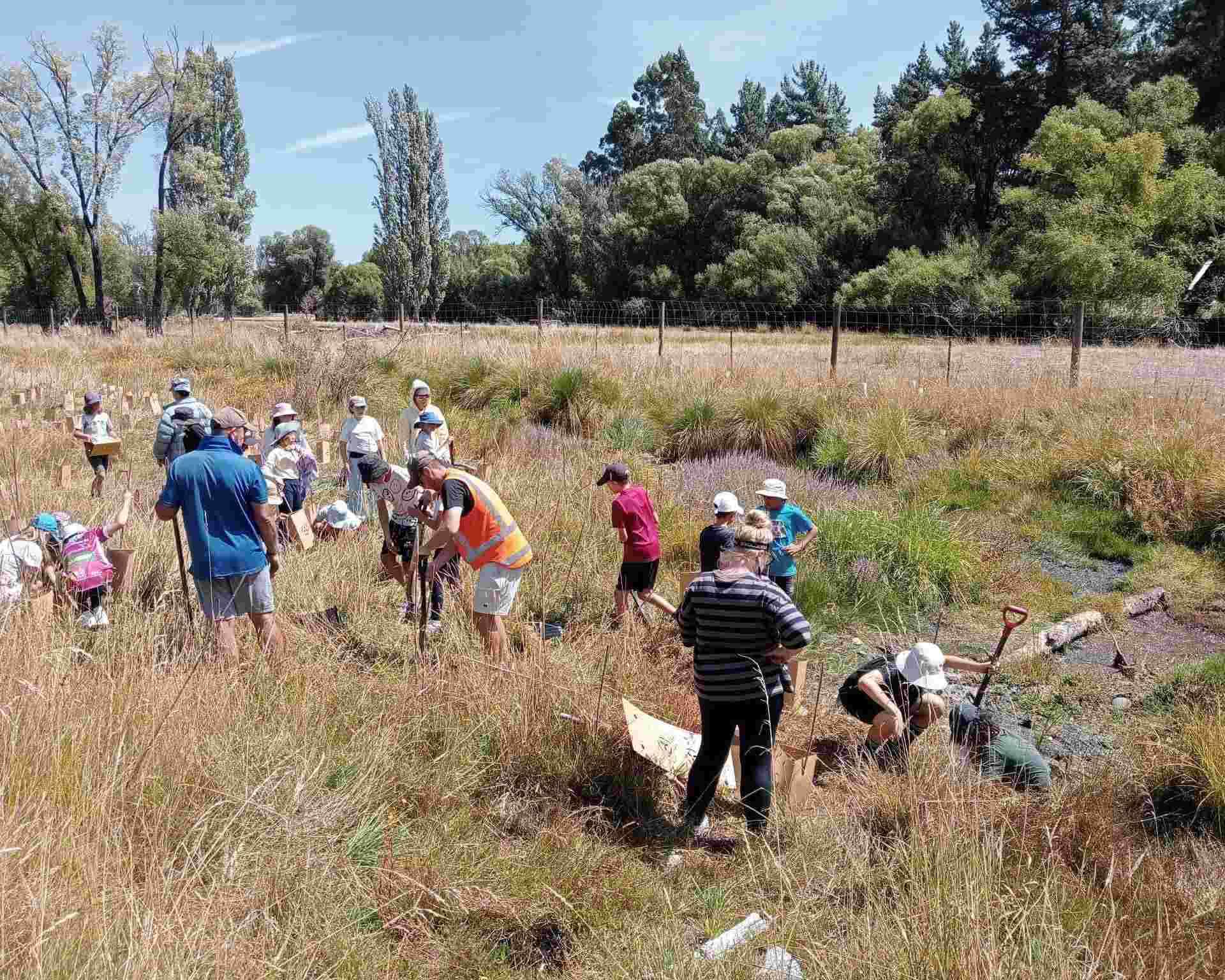
Working with your neighbours to enhance habitat connectivity
Read more: Working with your neighbours to enhance habitat connectivityWairau Nature Network (WNN) helps weave together people, wildlife, and native ecosystems across the Wairau Catchment to enhance the health and connectivity of our natural habitats. One of the easiest ways to make a real difference is working with your…
-
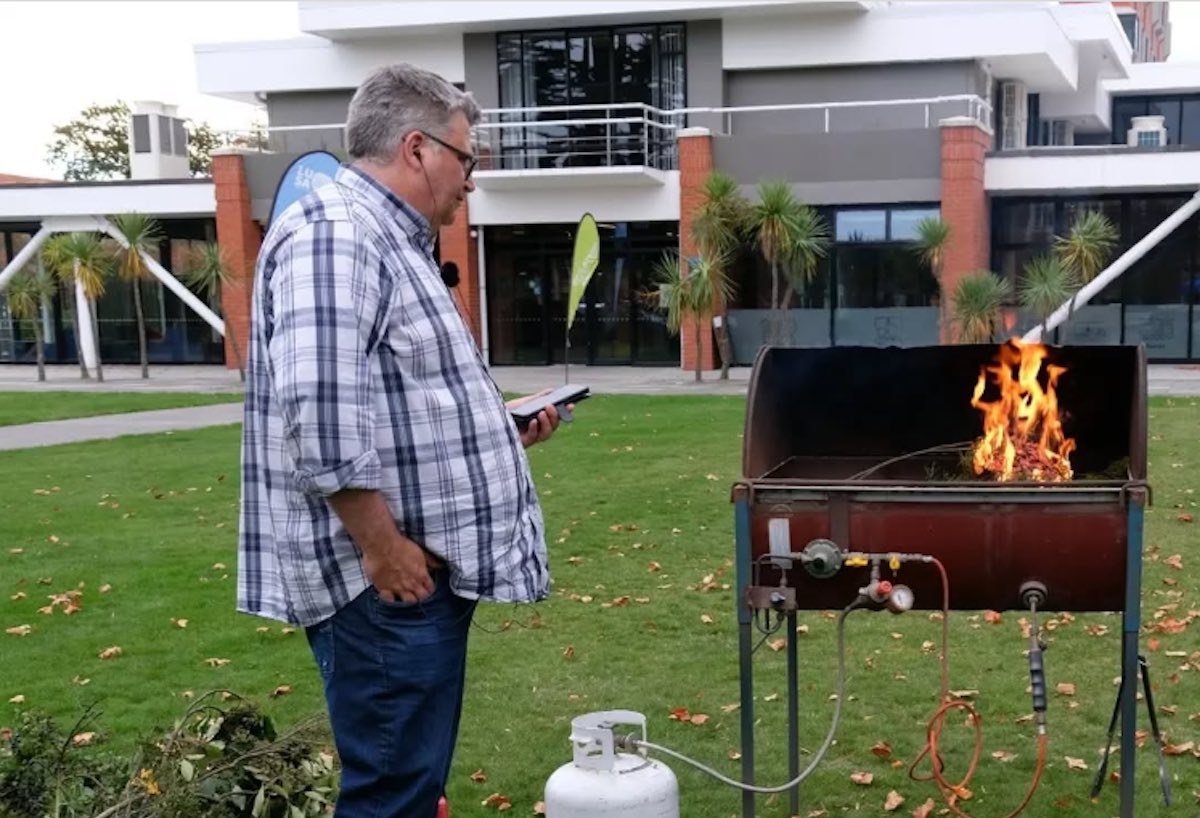
Planting green firebreaks to reduce wildfire
Read more: Planting green firebreaks to reduce wildfireFire season reminds us why smart planning in restoration matters. Green firebreaks are an amazing tool. While reducing wildfire risk, protecting forest remnants and infrastructure, they also enhance biodiversity and restoration timeframes. Watch this short extract (10 mins) from our recent…
-
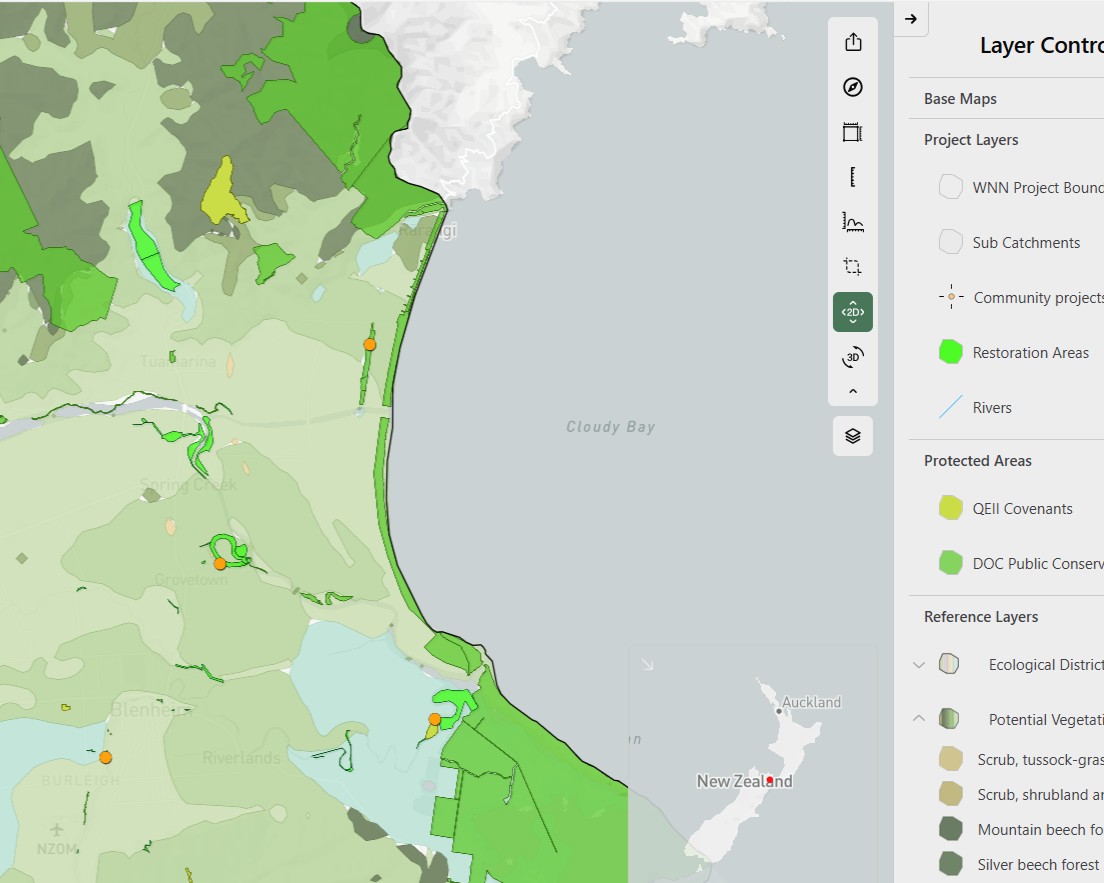
Mapping the future of restoration in the Wairau
Read more: Mapping the future of restoration in the WairauYesterday marked a milestone for the Wairau Nature Network with the public launch of our new mapping app: https://wairaunaturenetwork.maphq.co.nz This tool is designed to help us understand what native vegetation remains in the Wairau, where the gaps are, and how…
-
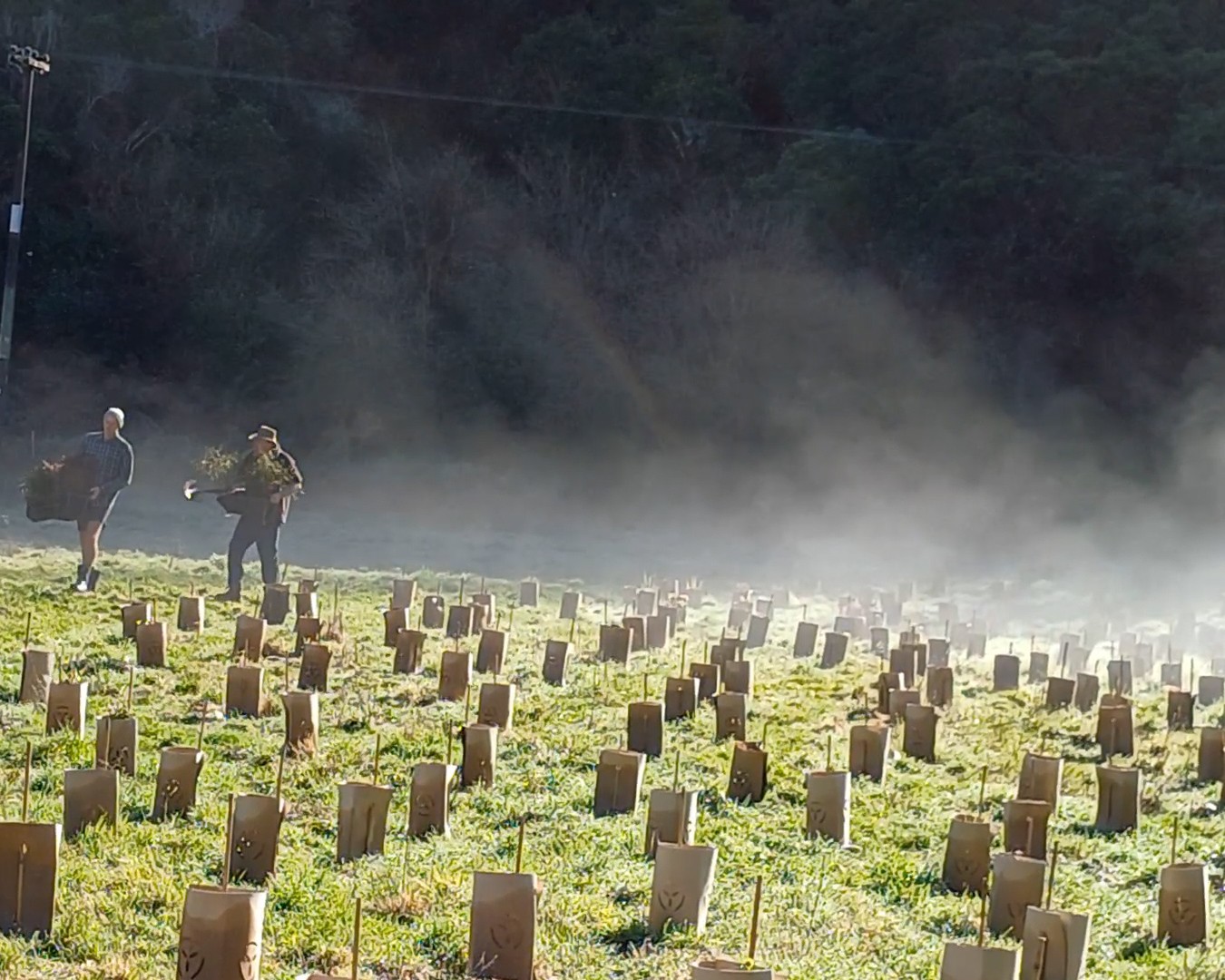
Health & Safety template for Volunteers and Events
Read more: Health & Safety template for Volunteers and EventsThis guidance document and template can be used to help community groups and individuals develop a health and safety plan for the activities they are undertaking when using volunteers. Just Copy and Paste into a Word document and change as…
-
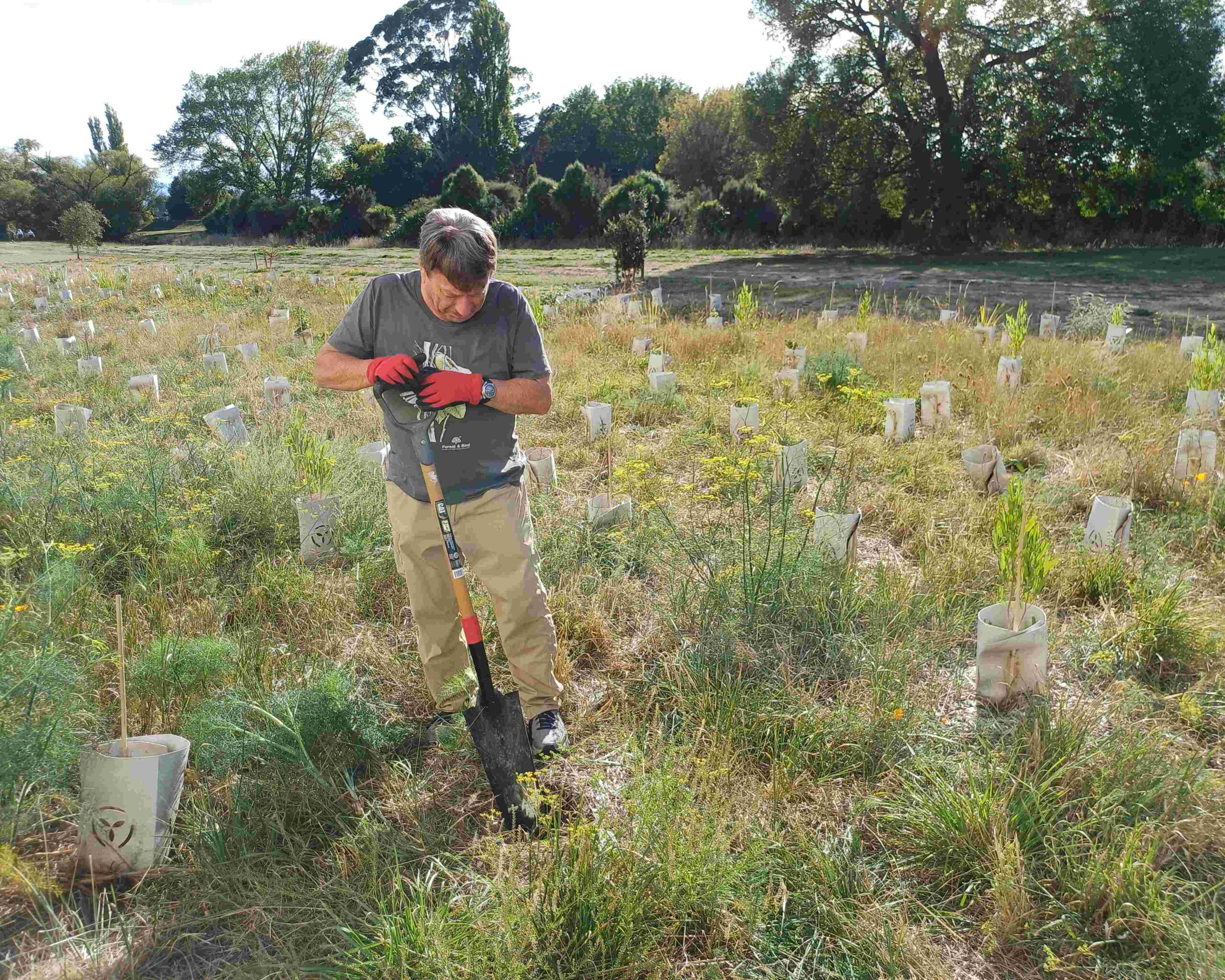
Resilient Restoration: Water Crystals
Read more: Resilient Restoration: Water CrystalsUse of water crystals to increase plant survival in dry areas. Watch 4min video.
-
Tips for funding applications
Read more: Tips for funding applicationsApplying for funding can be time-consuming; however many funders use similar language in their criteria. These tips will help you pick out the key words and understand what funders are really asking for. Read more here