
Resources
-
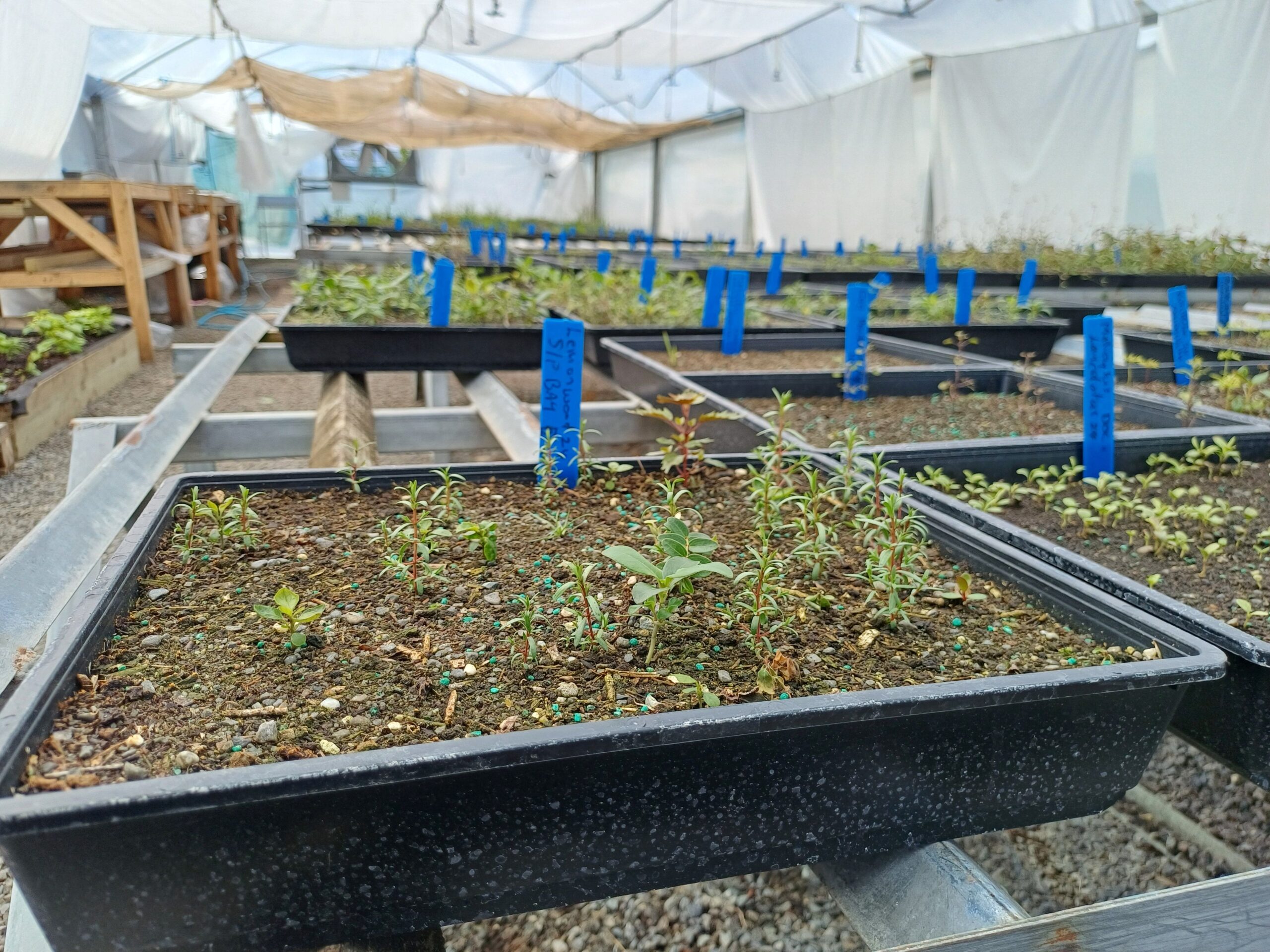
Growing natives at home
Do you grow native plants at home, or are you thinking about getting started for your own land, a community project, or your sub catchment? This online session is a great opportunity to learn, connect, and be inspired. Hear from 6 keen people from the Motueka and Moutere catchments as they share their home nursery…
-
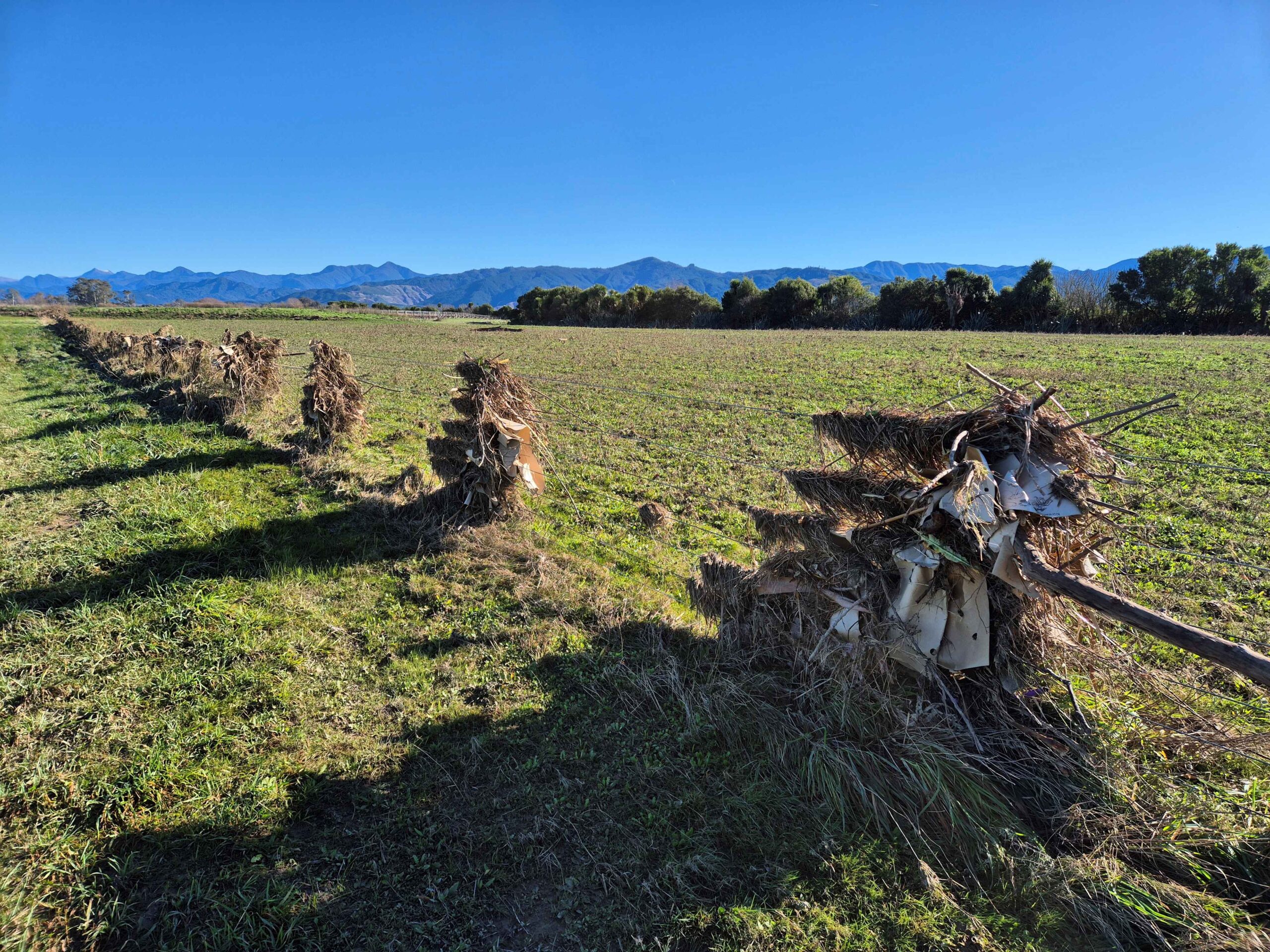
Flood resilient fences
Watch this webinar, which was released after the double Tasman floods of 2025 on how to mitigate the impacts on fences.
-
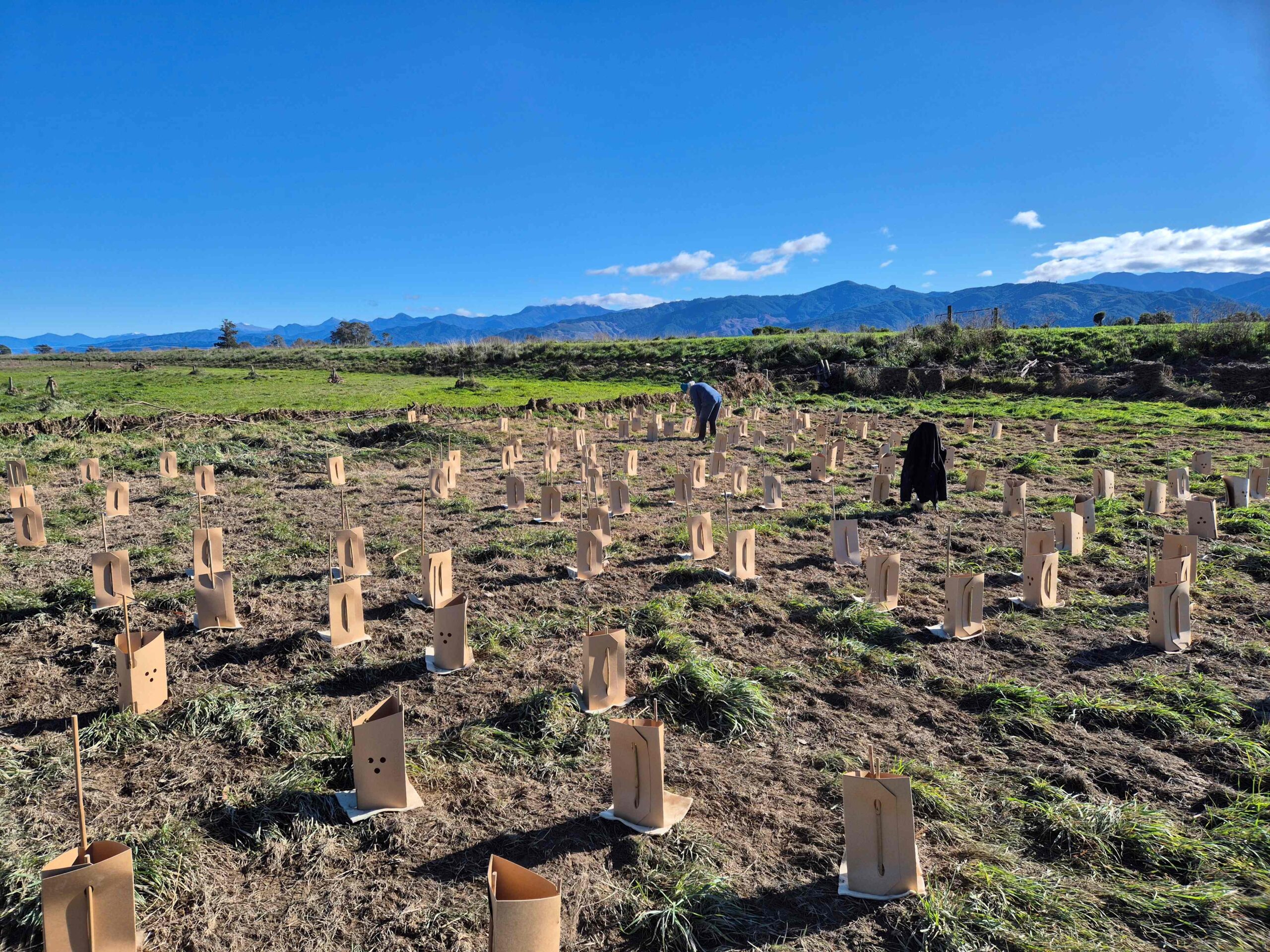
Integrating native planting and flood protection
We are responsible for enhancing biodiversity as well as flood protection. There are many situations where these two tasks can be complementary and better integrated. This guide explains how to recognise opportunities to do this, and put it into practice. This guide includes information on how to:• look broadly for opportunities at the river-system-scale• look…
-
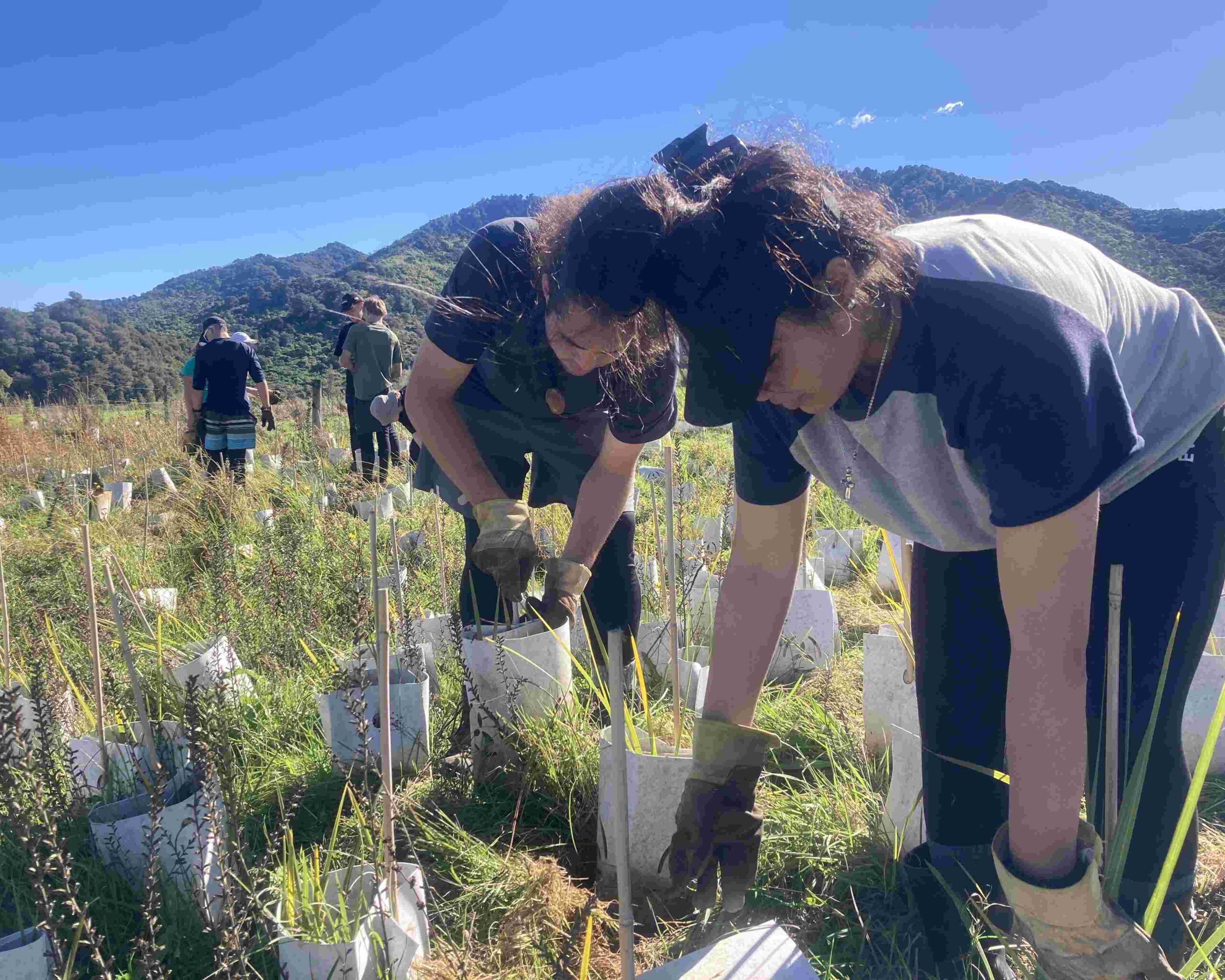
Hosting a working bee
Working bees are a win–win: you get valuable work done on your land, while participants enjoy a meaningful day outdoors, learning, connecting with others, and contributing to environmental care. To help make your working bee safe, enjoyable, and productive, here are some key things to consider.
-
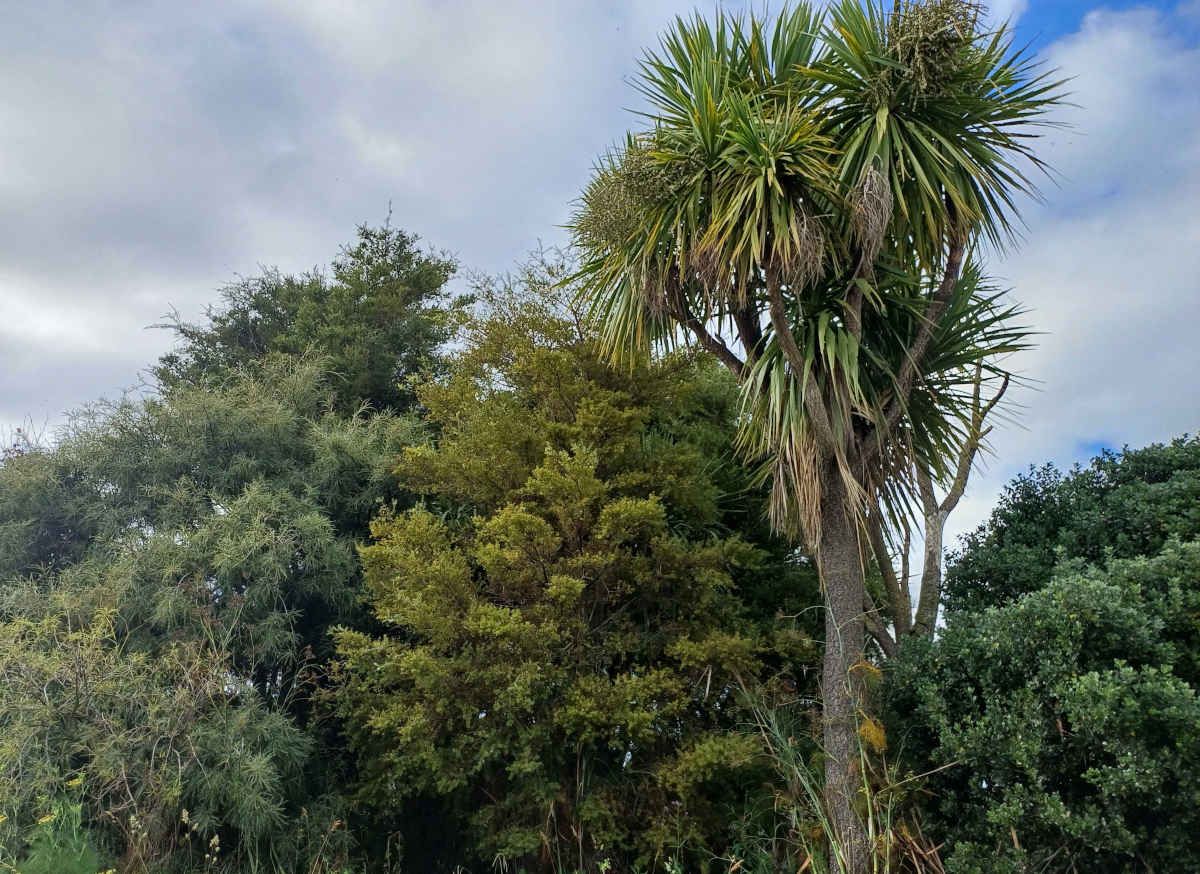
Native seed catalogue
The Canopy Native Seed Catalogue offers detailed germination and propagation profiles for 34 native tree and shrub species—clearly explaining each species’ seed biology, germination cues, and nursery handling techniques.
-
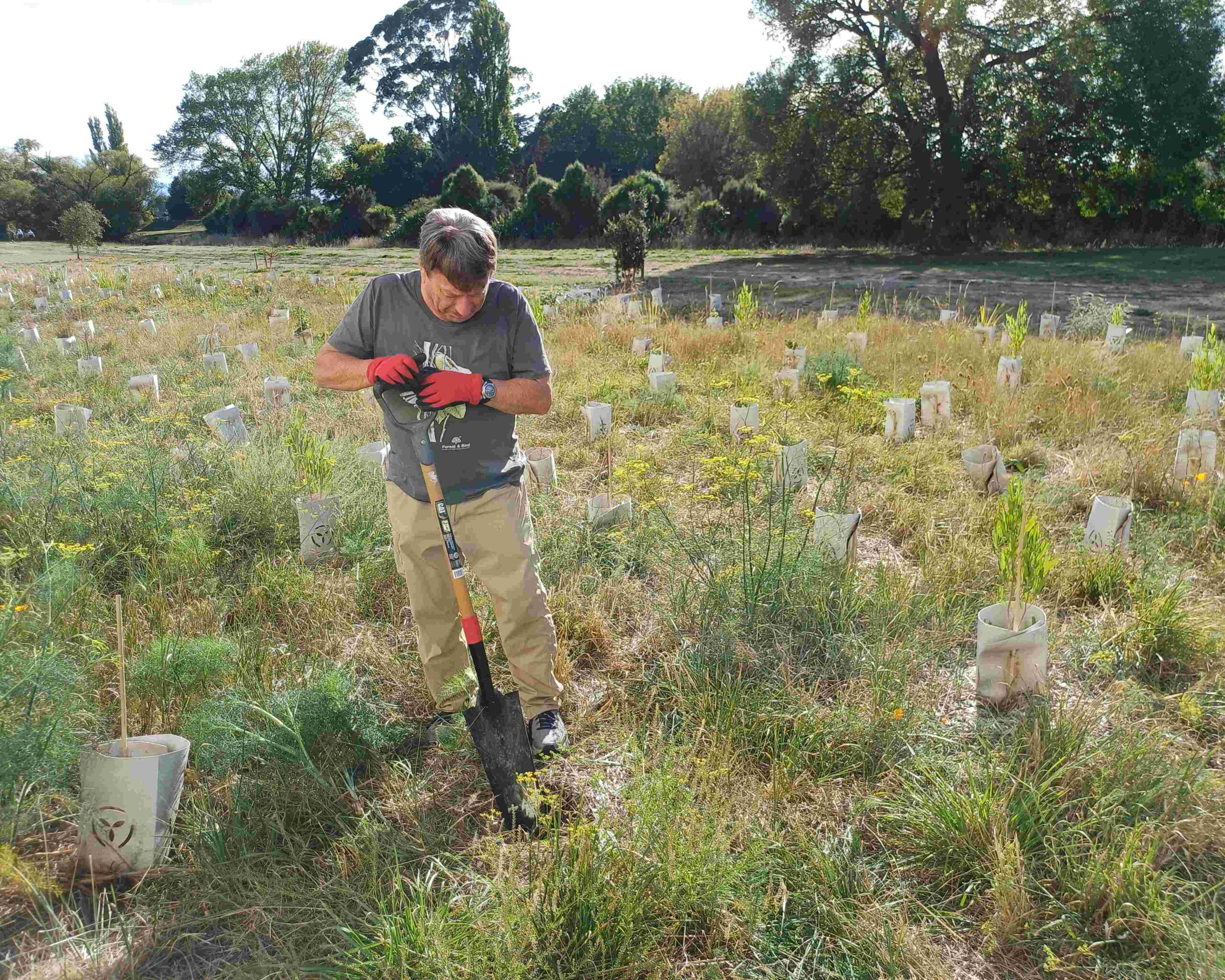
Using water crystals
Planting in dry conditions or facing a summer drought? Adding water crystals to your planting hole is an easy and cost-effective way to help get your newly established restoration zone through the next summer dry.
-
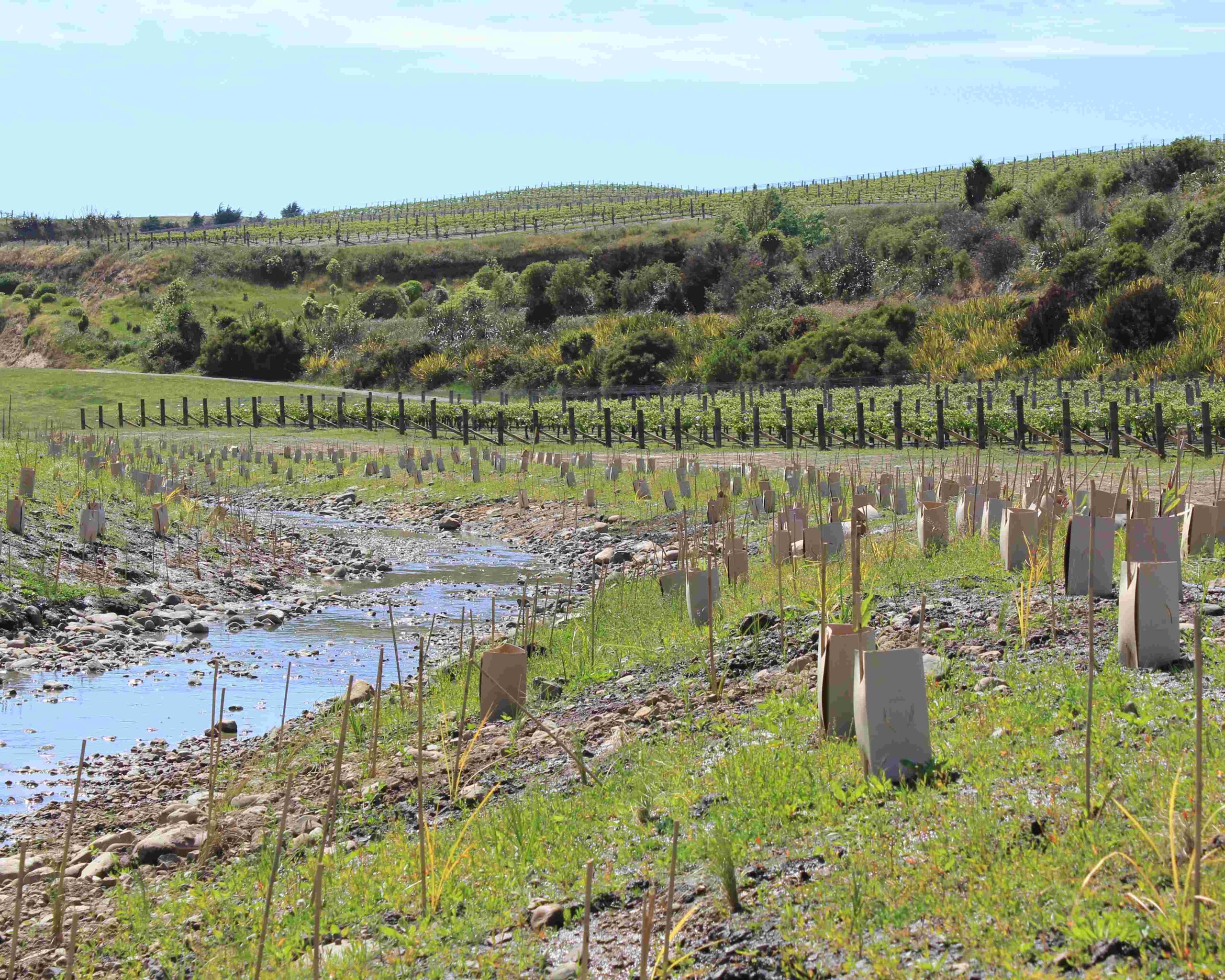
101 tips to avoid costly mistakes
Wayne O’Keefe back to share crucial insights and practical tips on the planning, planting and protection phases of reforestation: understanding your site’s specific conditions and weed pressures is crucial before planting begins, and why selecting the right species in the right place with the right protection makes all the difference long-term.
-
Managing Riparian Zones
A practical, science-based instructions for planning and implementing riparian management schemes, specifically for New Zealand’s modified and agricultural landscapes
-
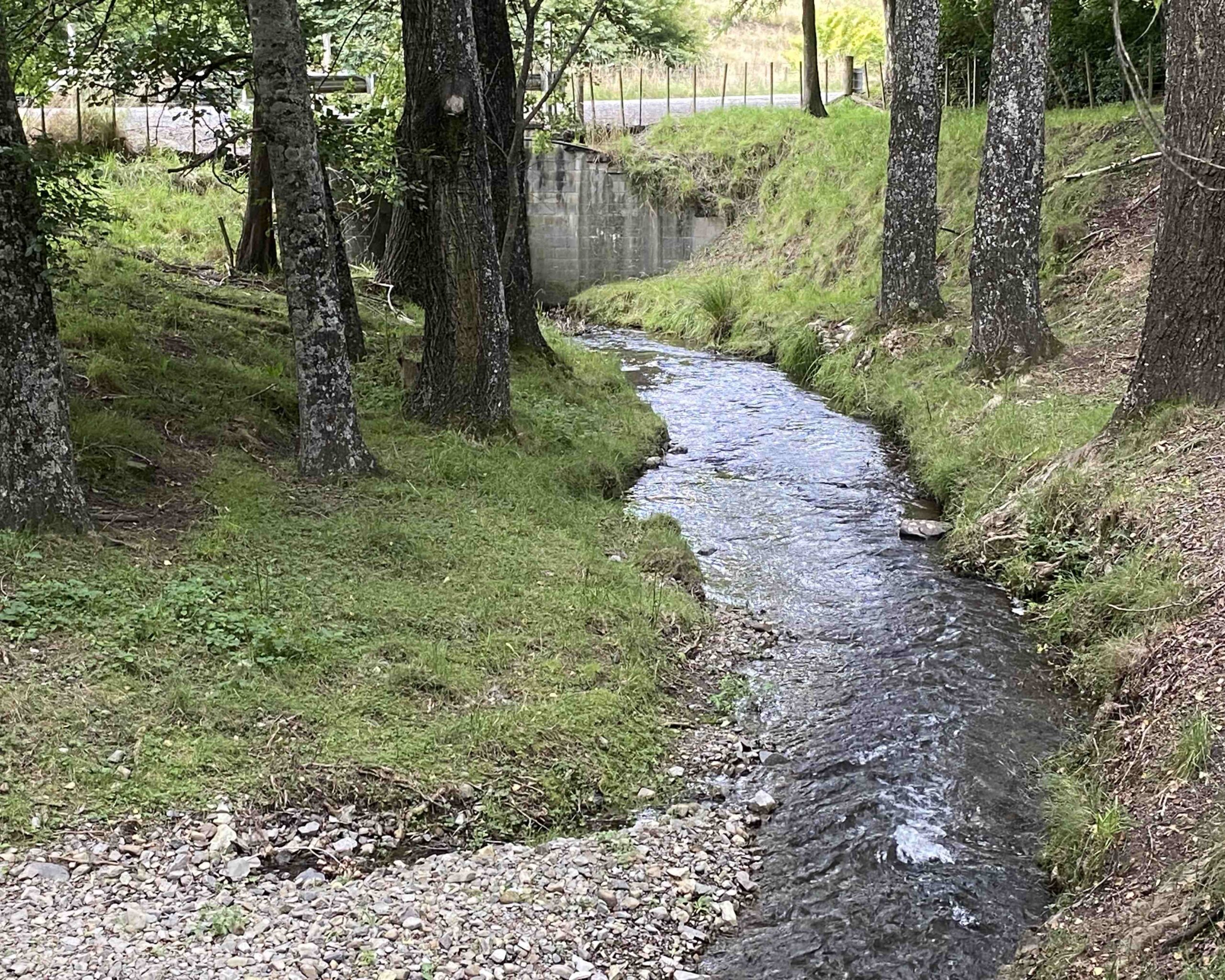
Willow and Alder Guidelines
The guidelines offer comprehensive guidance for managing willow and alder species—whether planting for erosion control or removing invasive stands—in wetlands, riparian zones, and farmland contexts
-
Weedbusters
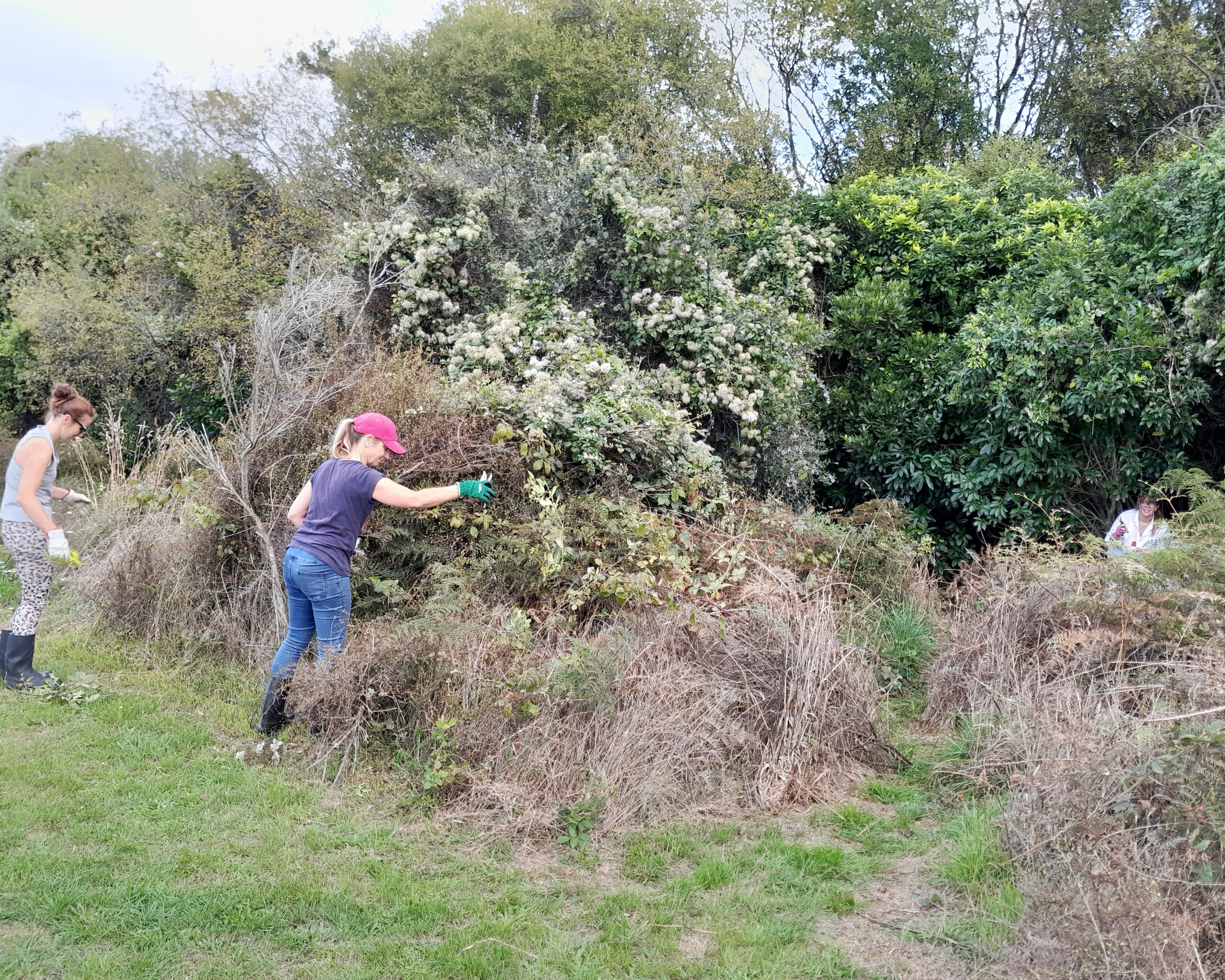
The Weedbusters website provides practical resources—including a weed‑identification A–Z, control methods for different plant types, disposal advice, and ways to get involved locally—designed to support grassroots weed‑busting efforts across urban, rural, and natural areas.
-
Pest plants and biosecurity
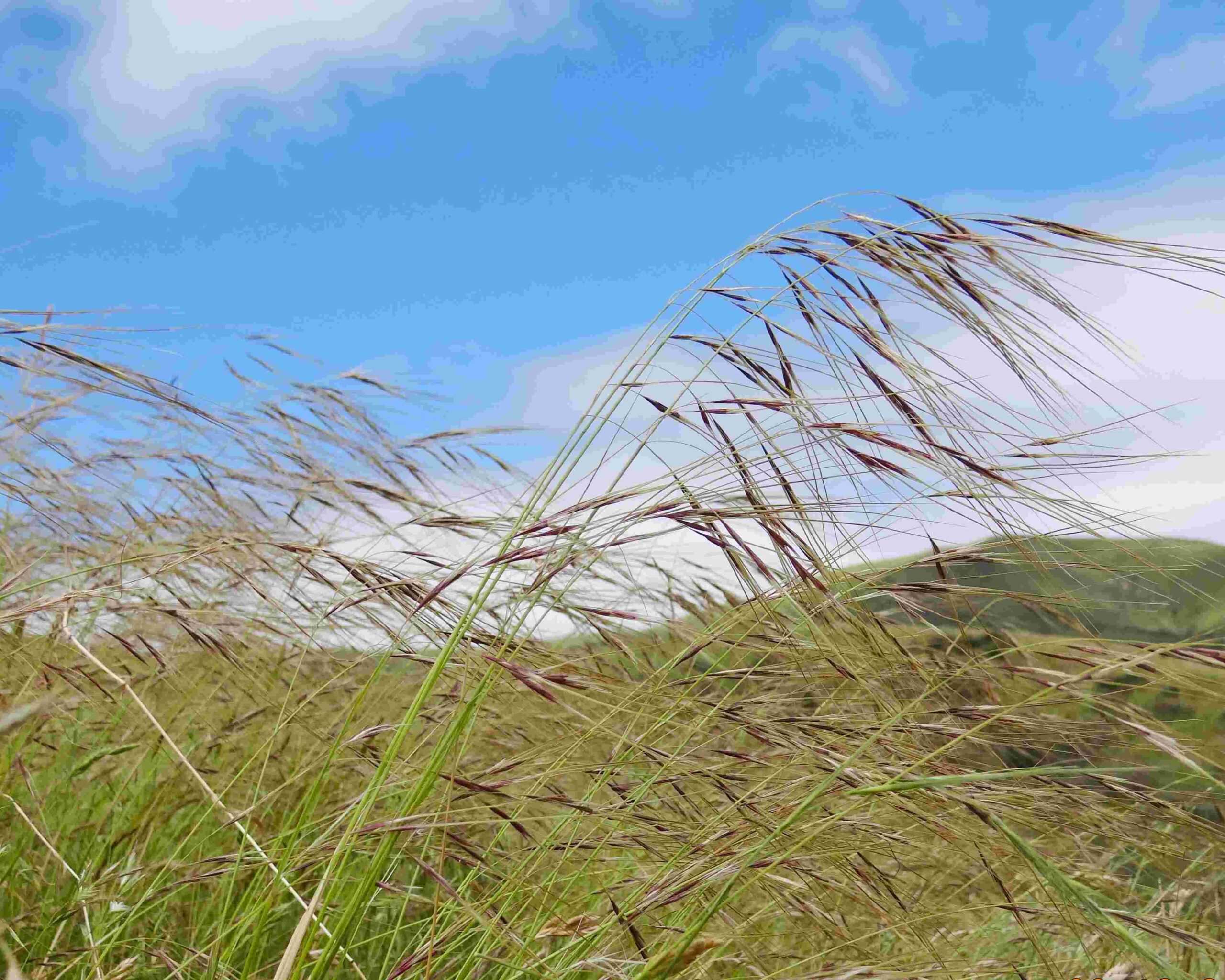
NZ Landcare Trust’s biosecurity hub collates practical resources—covering invasive plant, pest, and disease management—designed to support farmers, community groups, and landowners in identifying and tackling ecological threats.
-
Shelter
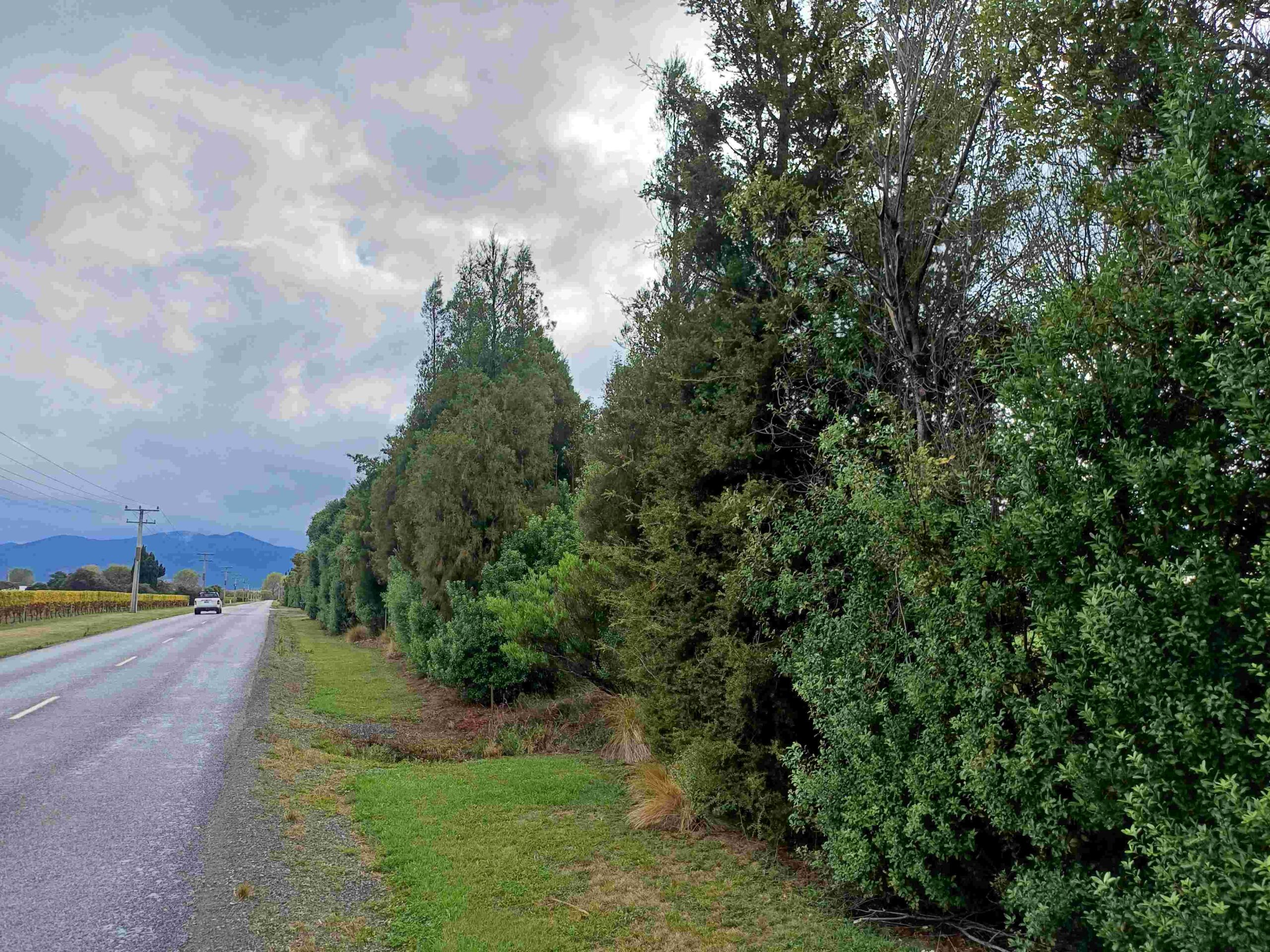
This factsheet outlines key shelter strategies and links these to the importance of providing shelter for sheep and beef cattle, Animal Welfare Act requirements and best-practice outcomes.