Category: WNN Toolbox

  • To guard or not to guard?

    To guard or not to guard?

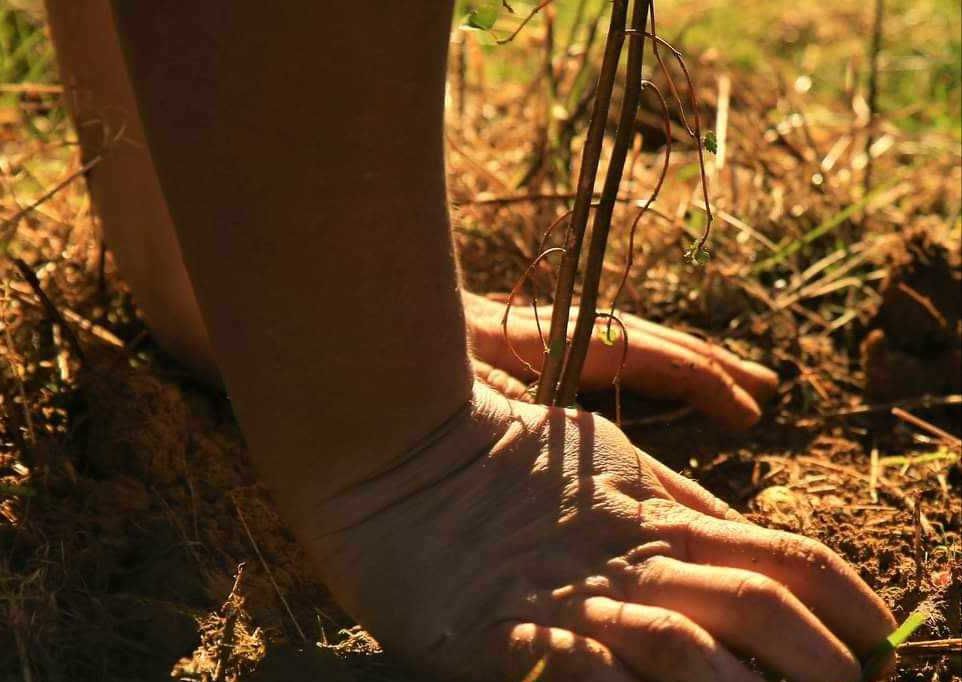
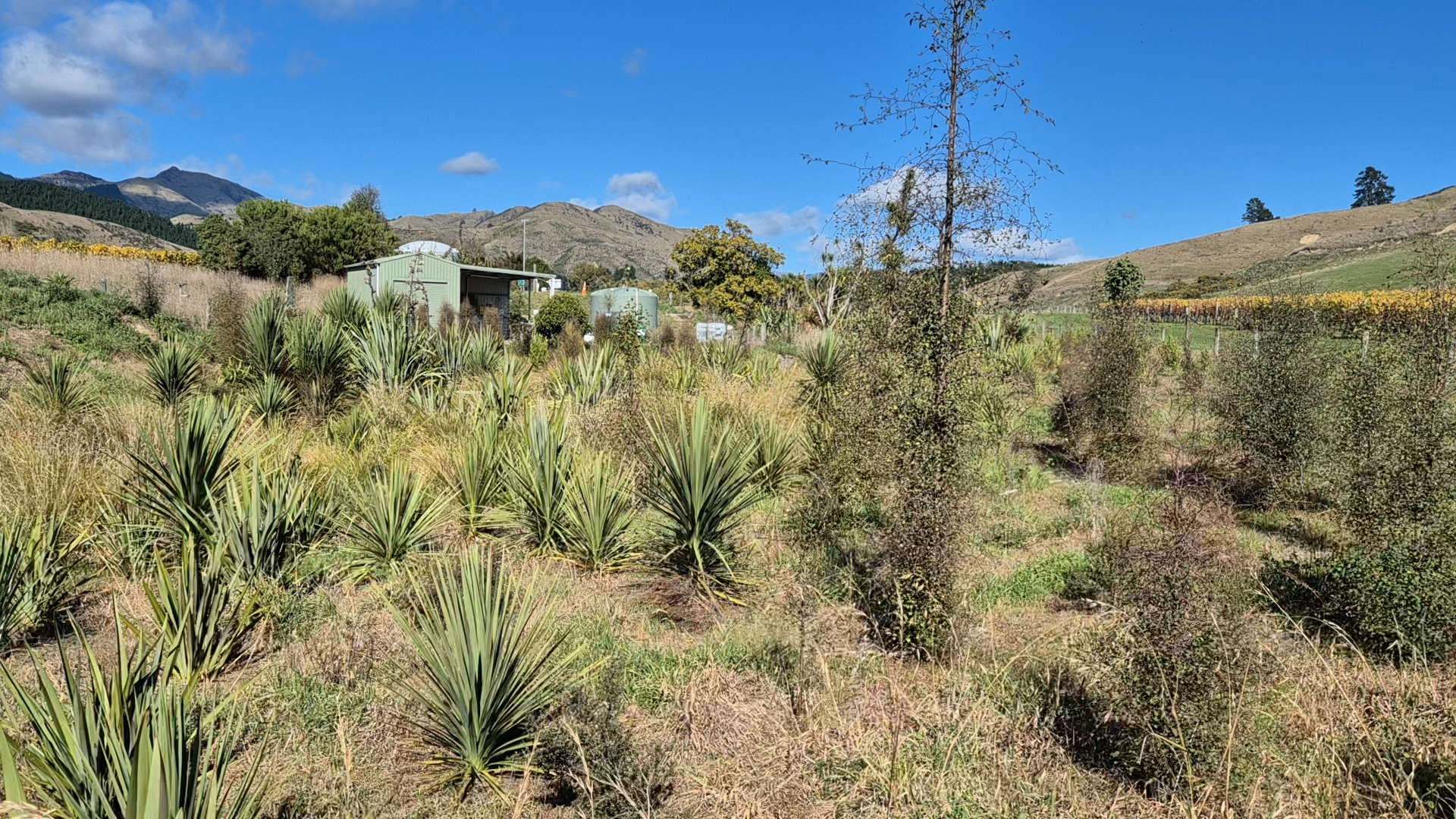
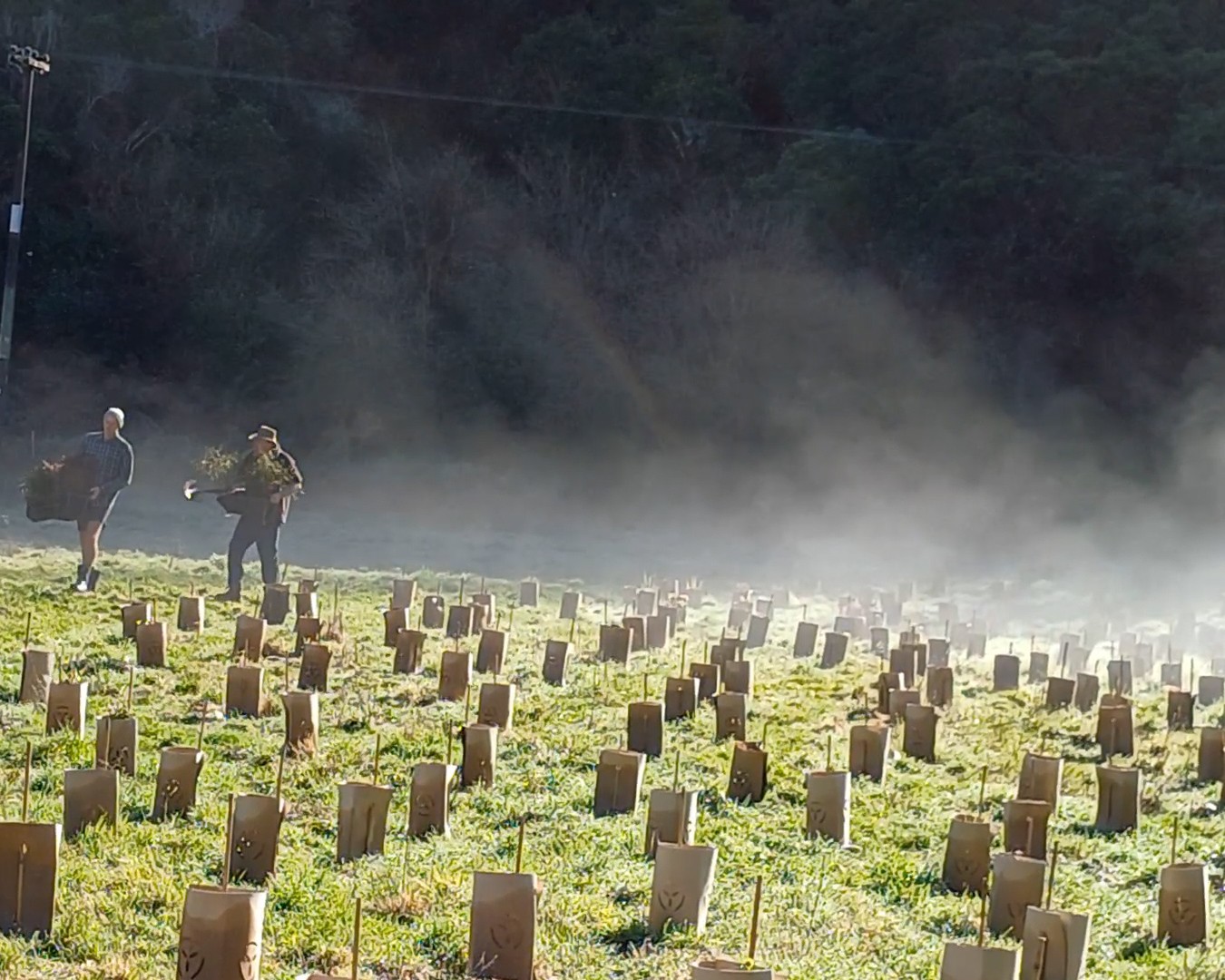
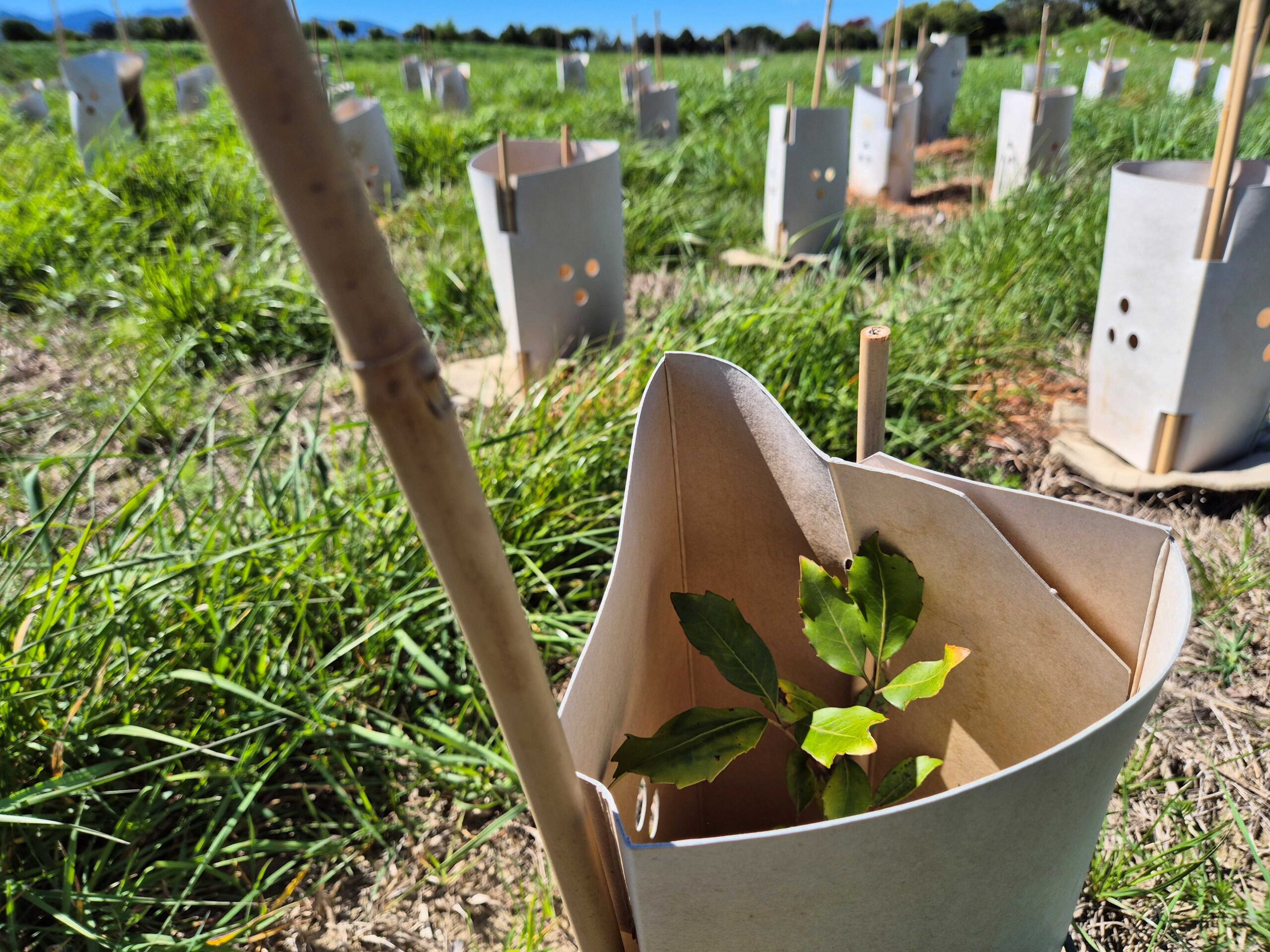
    Grow guards can be helpful, sometimes critical, in increasing survival of new planted trees. They help with protecting from dry winds, frosts, rabbits, hares and pukekos, and rank grass. However, if your conditions allow, you can save money by not using them. When planning restoration, also do a cost/benefit analysis of your systems. Mark Lovegrove, from Cloudy Bay Vineyards, finds he can do without them. Watch his 1min video.

  • How to run a successful working bee

    How to run a successful working bee

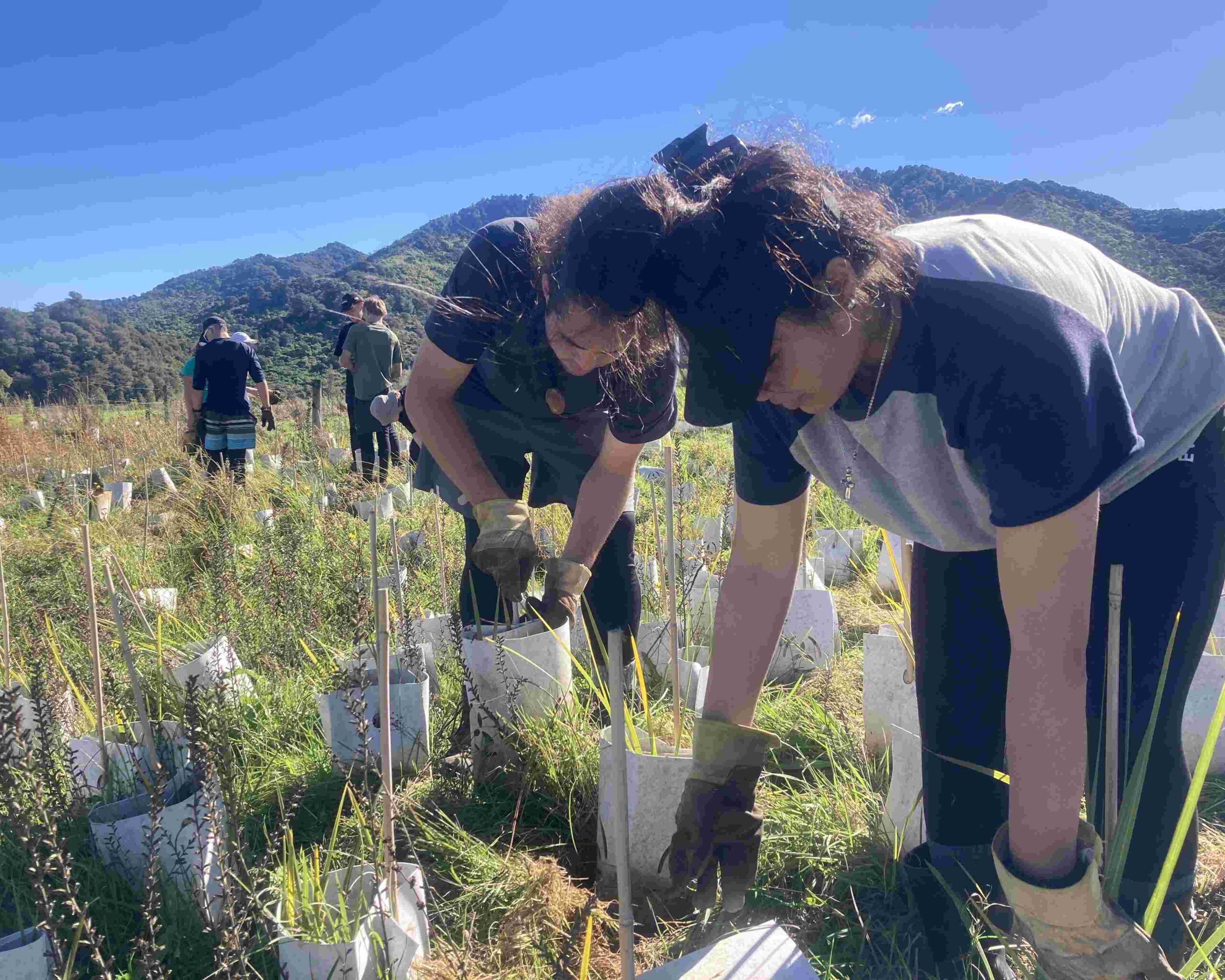
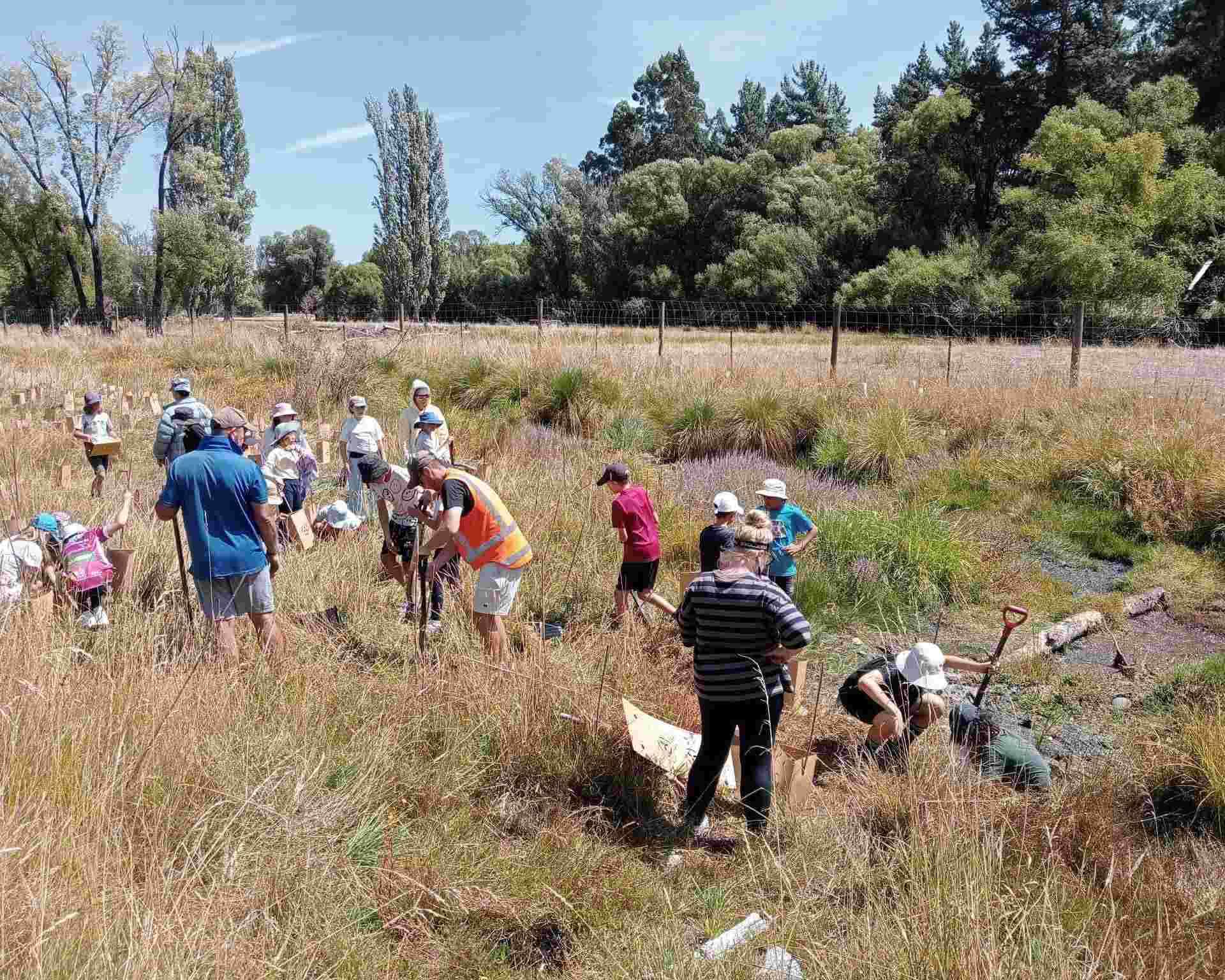
    Working bees are a win–win: you get valuable work done on your land, while participants enjoy a meaningful day outdoors, learning, connecting with others, and contributing to environmental care. To help make your working bee safe, enjoyable, and productive, here are some key things to consider.

    Read more here

  • Plants for supporting kererū

    Plants for supporting kererū

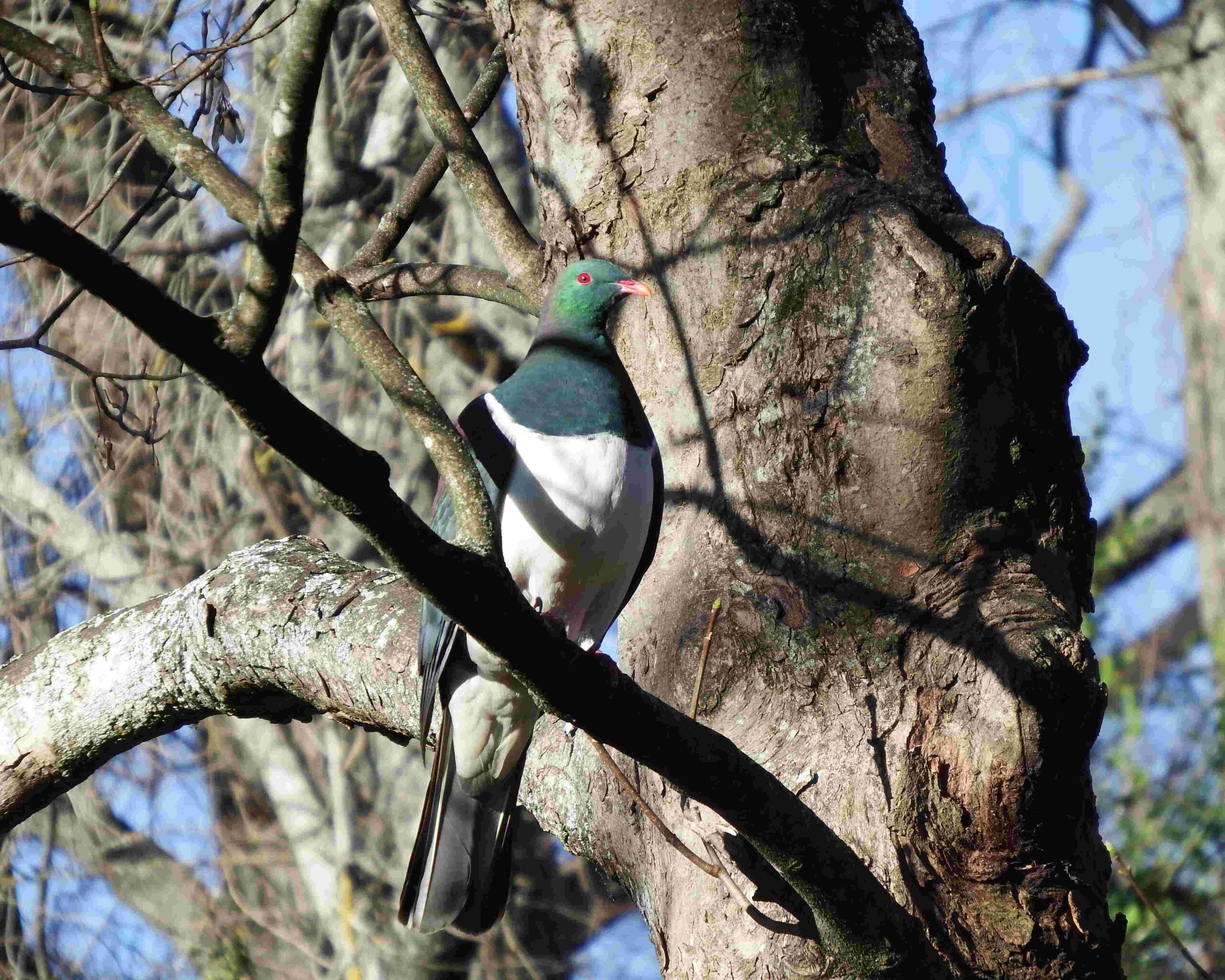
    The kererū is vital to the survival of Aotearoa’s native forests. It is the only bird capable of swallowing and dispersing large native fruits (greater than 12mm in diameter) whole. Tree species such as tawa and miro rely on kererū to spread their seeds and regenerate new forest. Without kererū, these trees would struggle to reproduce, and forests would gradually change in composition. For this reason, kererū are considered a keystone species of lowland forests.

    Protecting kererū means safeguarding the ecological processes that sustain our native forests. Through restoring habitat and strengthening ecological corridors, the Wairau Nature Network is working to create landscapes that can support kererū not just seasonally, but year-round.

    Kererū feed on the fruit, leaves, buds and shoots of more than 100 native species, as well as
    around 50 introduced plants. At times, they gorge on ripe fruit – occasionally becoming so
    full that they fall from trees.

    By planting a diverse selection of the listed native trees, you can provide year-round food for kererū.

  • From ditches to wetlands: Restoring and reconnecting waterways

    From ditches to wetlands: Restoring and reconnecting waterways

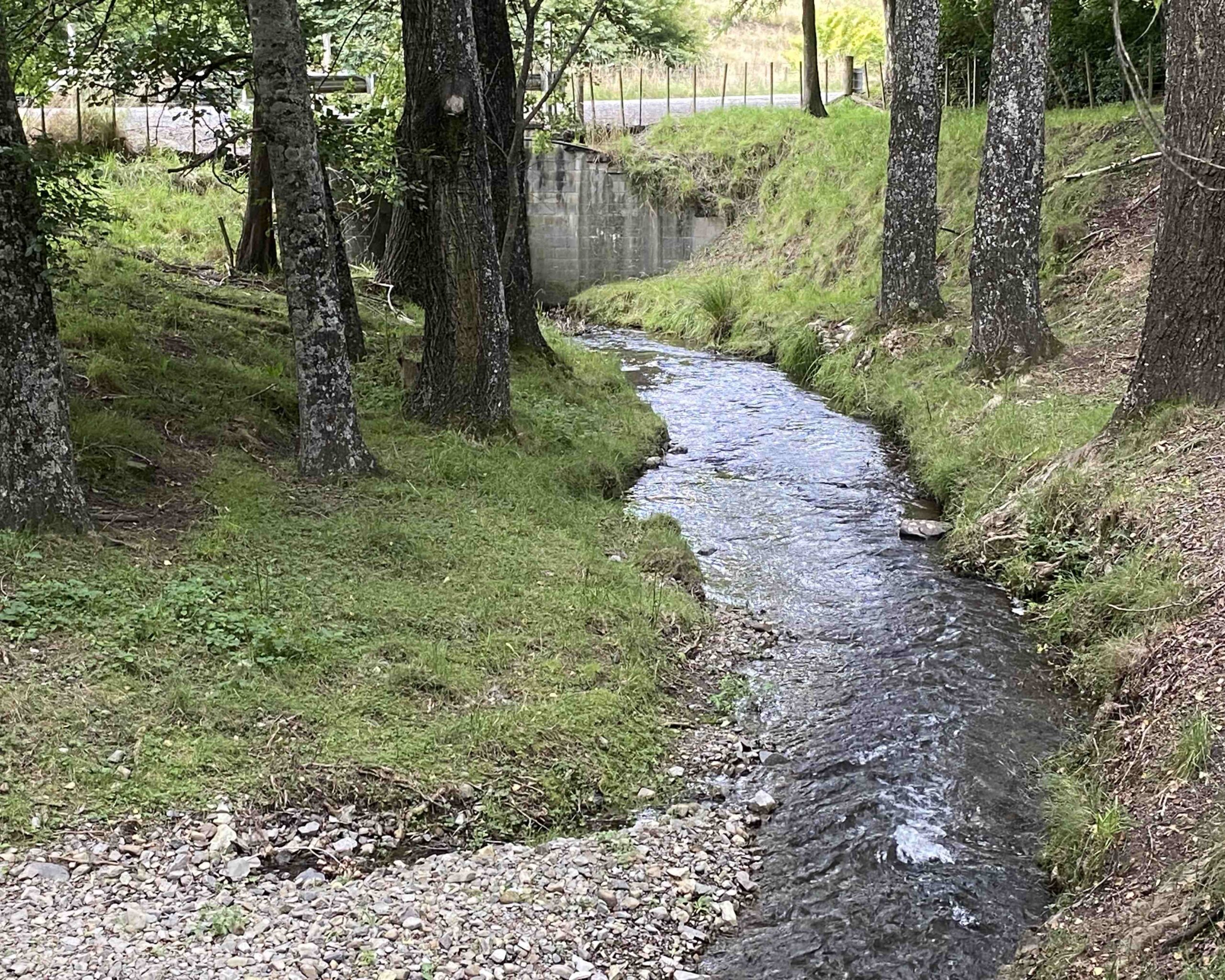
    What a fantastic Connecting Waterways workshop we had!

    It had it all – the technical, the informative, and the aspirational. But the real highlight was hearing connections being made across our network. Those conversations and shared ideas are where the magic happens.

    Fun fact: the freshwater fish smelt really does smell like cucumber – and it’s not your imagination! They contain the same chemical compound found in cucumbers.

    This webinar explores how even the most modified waterways can be brought back to life. Presented by Nathan Burkepile of NZ Landcare Trust, the session shares practical insights, real-world examples, and hopeful pathways for restoring ecological function, biodiversity, and resilience across lowland landscapes. Whether you’re working with streams, drains, or something in between, this webinar highlights why every waterway matters and what we can do to make a difference.

  • Working with your neighbours to enhance habitat connectivity

    Working with your neighbours to enhance habitat connectivity

    Wairau Nature Network (WNN) helps weave together people, wildlife, and native ecosystems across the Wairau Catchment to enhance the health and connectivity of our natural habitats. One of the easiest ways to make a real difference is working with your neighbours to connect patches of habitat, creating corridors for kererū, tūī, wētā, and other native species.

    Why neighbourhood restoration matters

    • Support native wildlife: Corridors allow species such as kererū, tūī, and bellbirds to move between forest fragments. Many species provide an important ecosystem function, such as seed dispersal, so having a full suite of species is critical to overall
      habitat health
    • Stronger ecosystem resilience: Connected and healthy habitats help streams, wetlands, and paddocks withstand drought, floods, and pests, and in turn, the populations within them during catastrophic events.
    • Shared effort, shared rewards: Coordinating planting, fencing, or pest control multiplies results.
    • Community connection: Working together builds relationships across the catchment.

    How to start engaging with your neighbours

    1. Friendly conversation first
      • Invite your neighbour for a chat, coffee, or a short walk around your property.
      • Ask what they care about – native birds, healthy streams, or sustainable land use.
      • Keep it simple – talk about trees, streams, birds, and wētā rather than technical catchment jargon…or politics!
    1. Find common ground
      • Maybe you both want more kererū food trees, or fewer pests in your gardens.
      • Shared goals will guide what actions you take together.
    1. Host informal gatherings
      • Once you think you have buy-in from one or two neighbours, go wider with a social event, working bee and/or picnic by a wetland, or a short walk to look at potential corridors.
      • Keep it social – enthusiasm spreads faster than rules and forms!

    Practical actions for connectivity

    1. Map your opportunities
      • Sketch where native vegetation already exists.
      • Identify gaps where corridors could link existing bush, riparian margins, or wetlands.
      • WNN’s mapping tool can help visualise high-priority sites.
    2. Collaboration ideas
      • Plant together: native shrubs and trees along boundaries or stream edges.
      • Pest management: coordinate traps and bait lines across neighbouring properties.
      • Share resources: seedlings, tools, advice, or volunteer time.
      • Monitoring: track birds, lizards, or wētā to see improvements.

    Keeping momentum simple

    • Make a shared plan (can be just a few bullet points): what, when, who, and what resources are needed.
    • Celebrate wins: first planting, first kererū sighting, first pest-free patch.
    • Be flexible: small, achievable steps build trust and long-term participation.

    Can you (or do you want to) grow bigger?

    • Your informal group may get to a point of wanting to expand efforts and/or area.
    • Often, funding is limited to formalised groups that have a legal entity, so this may be
      an option you want or need to take.
    • There may already be an existing group you could partner with to fill this
      responsibility.
    • Talk to the Wairau Nature Network about what support they can offer in this space.
    • NZ Landcare Trust has plenty of resources available for starting a catchment (or environmental) group.

    Tips for Success

    • Respect different levels of interest – sometimes it’s just not the right time for people; keep the ‘gate’ open for when they do choose to join in.
    • Listen deeply – understand what matters to your neighbours.
    • Leverage local knowledge – people know which areas are best for planting, fencing, or pest control.
    • Seek expert help – Wairau Nature Network, NZ Landcare Trust and Council love to support restoration efforts!
    • Keep it practical – even small plantings along a fence line can create important wildlife corridors.
    • Respect privacy – only share information with each other’s permission.

    Resources

    NZ Landcare Trust catchment resources – https://landcare.org.nz/resource/catchment-group-starter-guide/

    Wairau Nature Network – contains a resource library of best practice guidance, funding prospects and connection opportunities: https://wairaunaturenetwork.org.nz/

    Wairau Nature Network mapping tool – https://wairaunaturenetwork.maphq.co.nz/

    Download this guide

  • Planting green firebreaks to reduce wildfire

    Planting green firebreaks to reduce wildfire

    Fire season reminds us why smart planning in restoration matters.

    Green firebreaks are an amazing tool. While reducing wildfire risk, protecting forest remnants and infrastructure, they also enhance biodiversity and restoration timeframes.

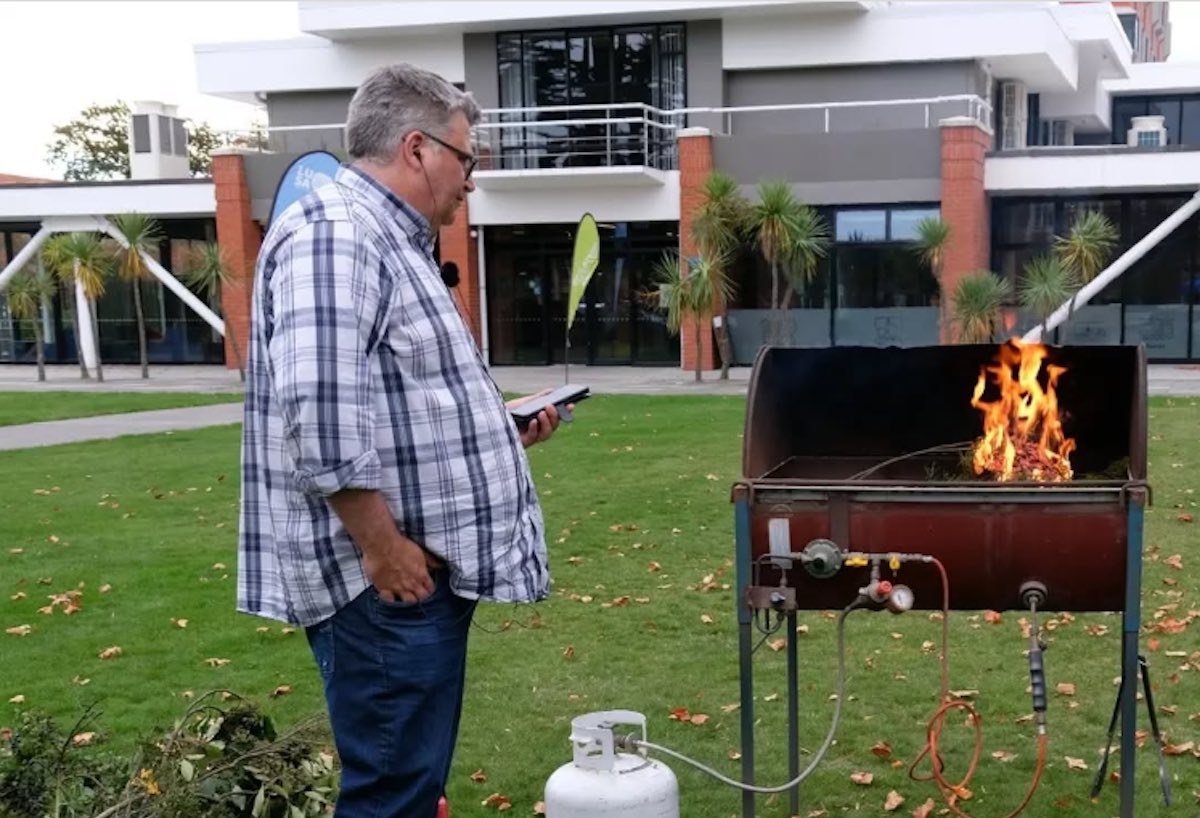
    Watch this short extract (10 mins) from our recent FireSmart webinar on planting green firebreaks.

  • Mapping the future of restoration in the Wairau

    Mapping the future of restoration in the Wairau

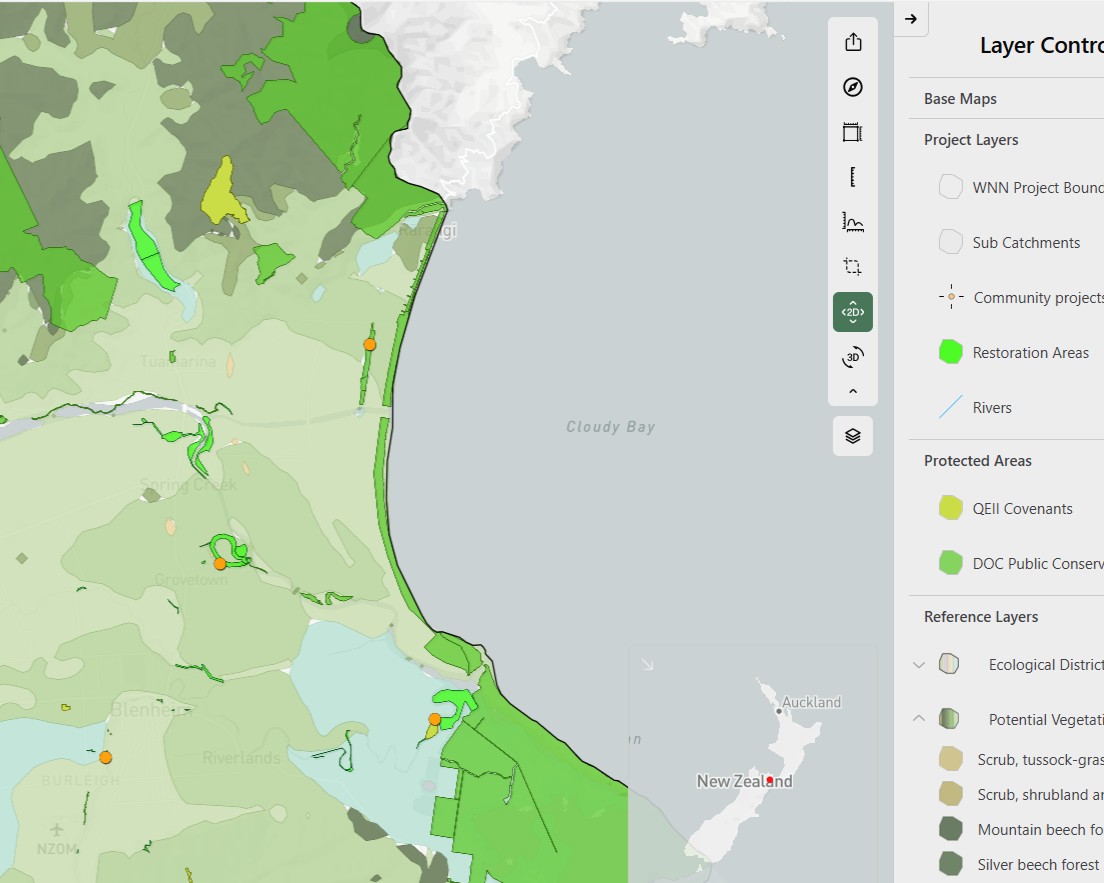
    Yesterday marked a milestone for the Wairau Nature Network with the public launch of our new mapping app:

    https://wairaunaturenetwork.maphq.co.nz

    This tool is designed to help us understand what native vegetation remains in the Wairau, where the gaps are, and how we can reconnect ecosystems through targeted restoration. By exploring the map layers, you can see what should or could be growing in different areas, identify opportunities for ecological corridors, and access guidance on suitable species to plant. It also highlights the incredible restoration already underway across both public and private land.

    The app is still in its early stages – many restoration efforts are yet to be added, and there’s plenty more mapping (and planting!) to come. But now that it’s live, we hope more landowners will be keen to showcase their work.

    A huge thank you to MapHQ for their outstanding support and expertise, we can’t recommend them highly enough.

  • Health & Safety template for Volunteers and Events

    Health & Safety template for Volunteers and Events

    This guidance document and template can be used to help community groups and individuals develop a health and safety plan for the activities they are undertaking when using volunteers. Just Copy and Paste into a Word document and change as you need.

    Template

  • Resilient Restoration: Water Crystals

    Resilient Restoration: Water Crystals

    Use of water crystals to increase plant survival in dry areas.

    Watch 4min video.

  • Tips for funding applications

    Tips for funding applications

    Applying for funding can be time-consuming; however many funders use similar language in their criteria. These tips will help you pick out the key words and understand what funders are really asking for.

    Read more here