Category: News

  • Junior Landcare Planting – day 2!

    Junior Landcare Planting – day 2!

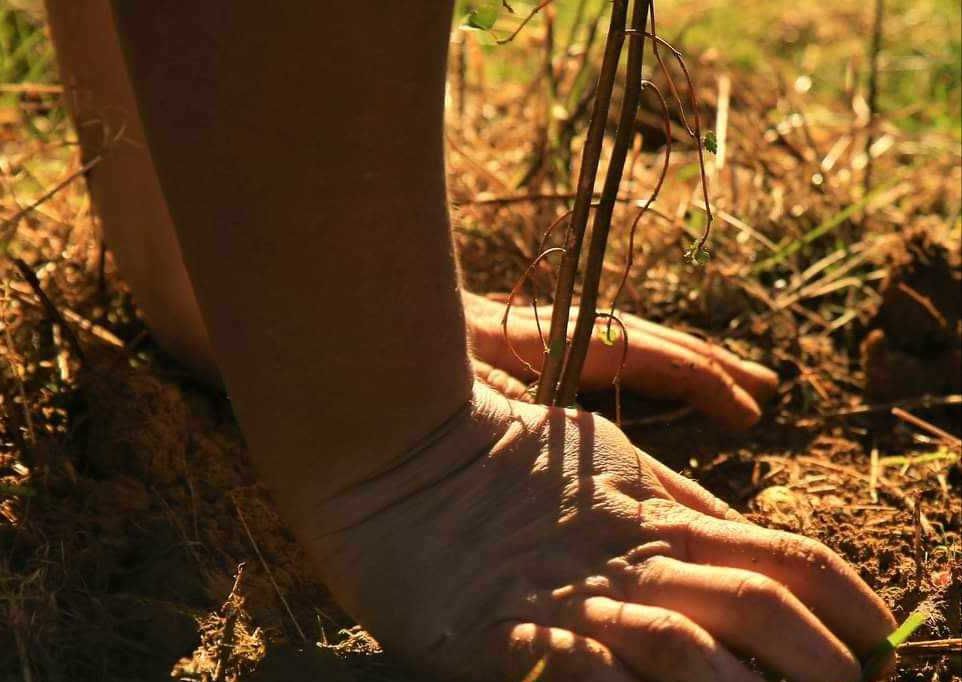
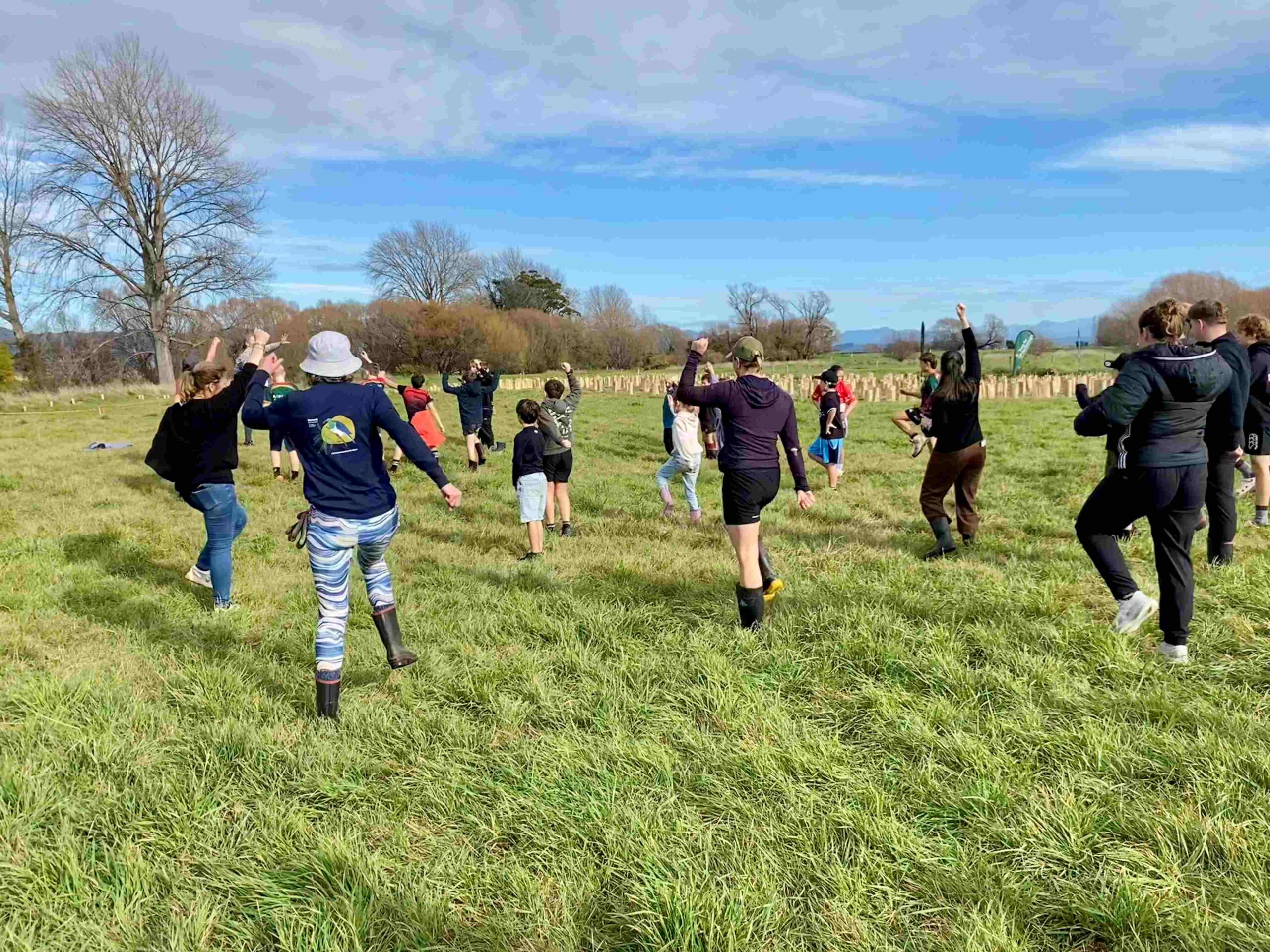
    Our second Junior Landcare planting day, delivered in partnership with Wairau Nature Network, brought together 120 students from Wairau Valley, Springlands and Rapaura Schools.

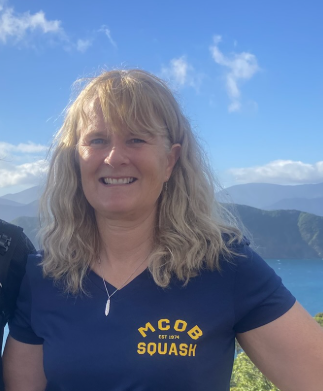
    As well as planting more than 500 native trees, the tamariki enthusiastically took part in a Crazy Yoga session led by Pilates instructor and physiotherapist Miranda Vriend. While the Junior Landcare programme is about creating lasting environmental benefits through planting, it’s also about giving young people tools to support their body, mind and wellbeing, and making nature restoration fun. Miranda’s Crazy Yoga certainly delivered on that front, and it was great to see plenty of adults joining in too!

    It was also wonderful to have the Trees for Marlborough team alongside the tamariki on the day. The plants had been lovingly grown by the team, so it was especially rewarding for them to see the process come full circle, from seed to planting in the ground.

    Huge thanks to NZ Landcare Trust’s Junior Landcare sponsors Bupa Foundation, for enabling this legacy planting to happen.

  • Profiling our Working Group: Alistair Bull

    Profiling our Working Group: Alistair Bull

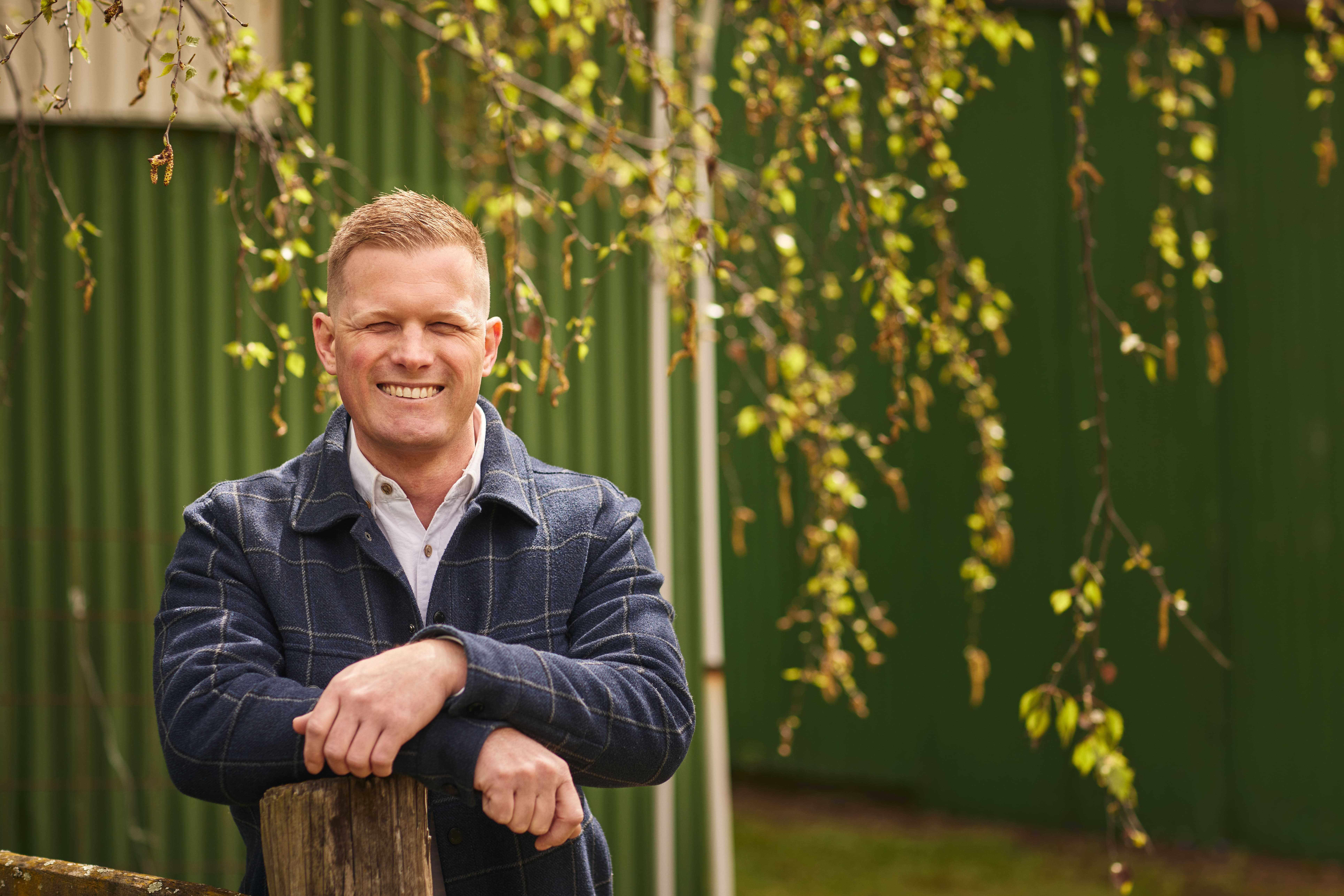
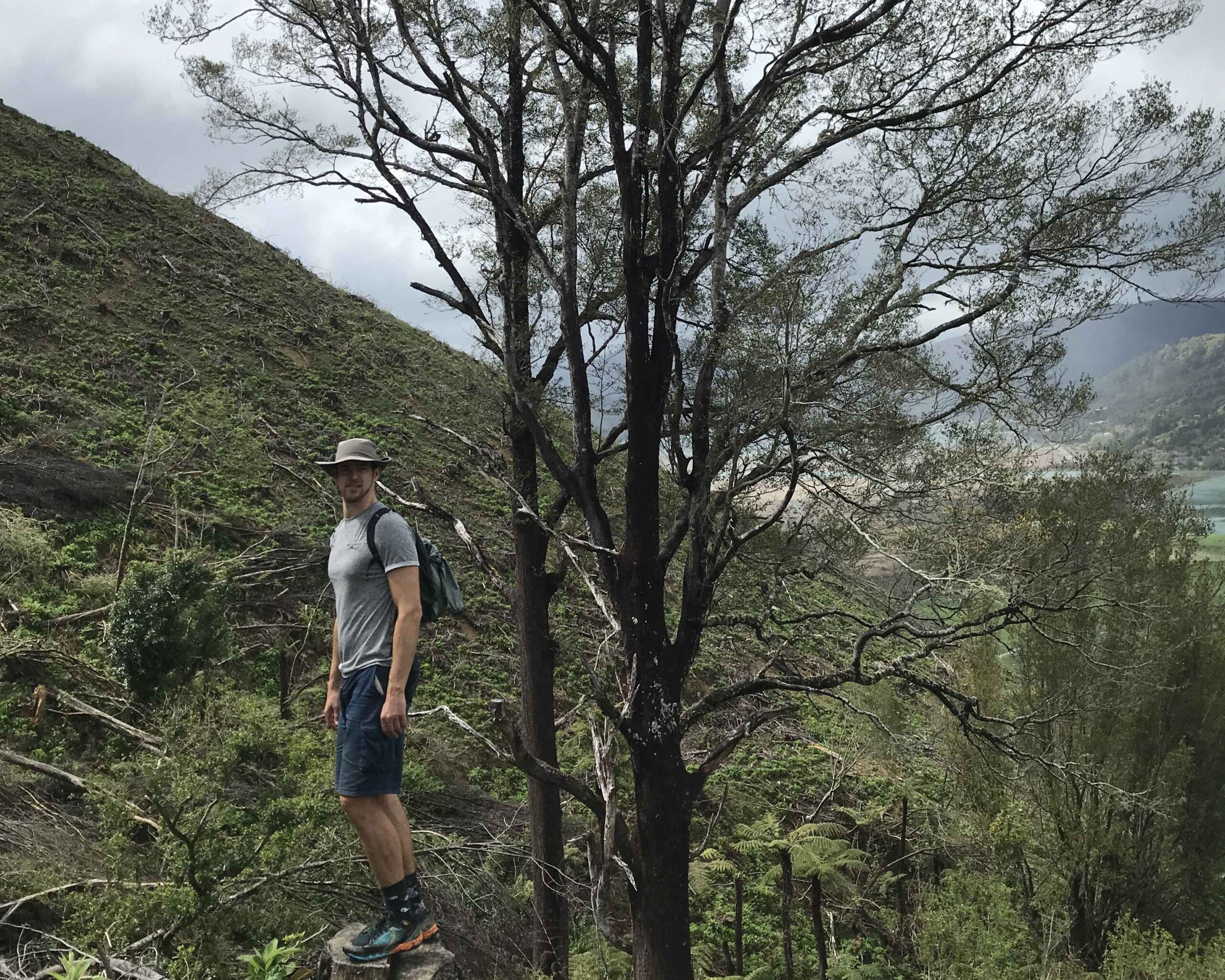
    We are incredibly fortunate to have Alistair Bull with us. Alistair is not only a skilled ecologist but also a talented web developer and the creator of our Wairau Information Hub | Tāmata.
    Al, the spotlight is on you!

    What inspired you to become involved in the Wairau Nature Network?

    A lifetime of interest in the outdoors and spending time in nature has made me very aware of the impacts on the environment. The Wairau valley is unique with higher rainfall on the Northbank ranges and drier to the south, offering climates and habitats for a diverse range of species. I’m excited to contribute to a future where the catchment is reconnected with native flora and fauna being able to move freely across the landscape.

    What’s the biggest environmental challenge you think the Wairau catchment faces right now?

    A history of land use change, removing native flora in favour of increased productive land, has led to the loss of much of the birdlife across the catchment, with some species almost disappearing entirely.

    Can you share a project or achievement from the network that you are most proud of?

    The time spent creating an organisation that has a sustainable, long-term future is important. Our goals looking decades into the future align with the timescales of regeneration. The ongoing collation and creation of information resources on our website for landowners and local groups to help with their restoration projects is a great tool.

    I am excited about getting started on planting at our first WNN restoration site at Thomsons Ford Reserve.

    How do you see the role of community partnerships in restoring and protecting local ecosystems?

    No one person or small group is capable of reaching our goals of increasing biodiversity across the entire catchment. Communities working on their local environment and networking with other groups across the catchment to support and share knowledge and resources are critical to the success of the project.

    What is your personal connection to the Wairau area – what makes it so special to you?

    Having lived in the Wairau for 20 years, I have explored many corners of the landscape, from the peaks of the Richmond ranges, the beaches and the Wairau River itself while also spending a lot of time in the Marlborough Sounds. I would love to see the bird life we see in the Sounds encouraged back into the Wairau.

  • To guard or not to guard?

    To guard or not to guard?

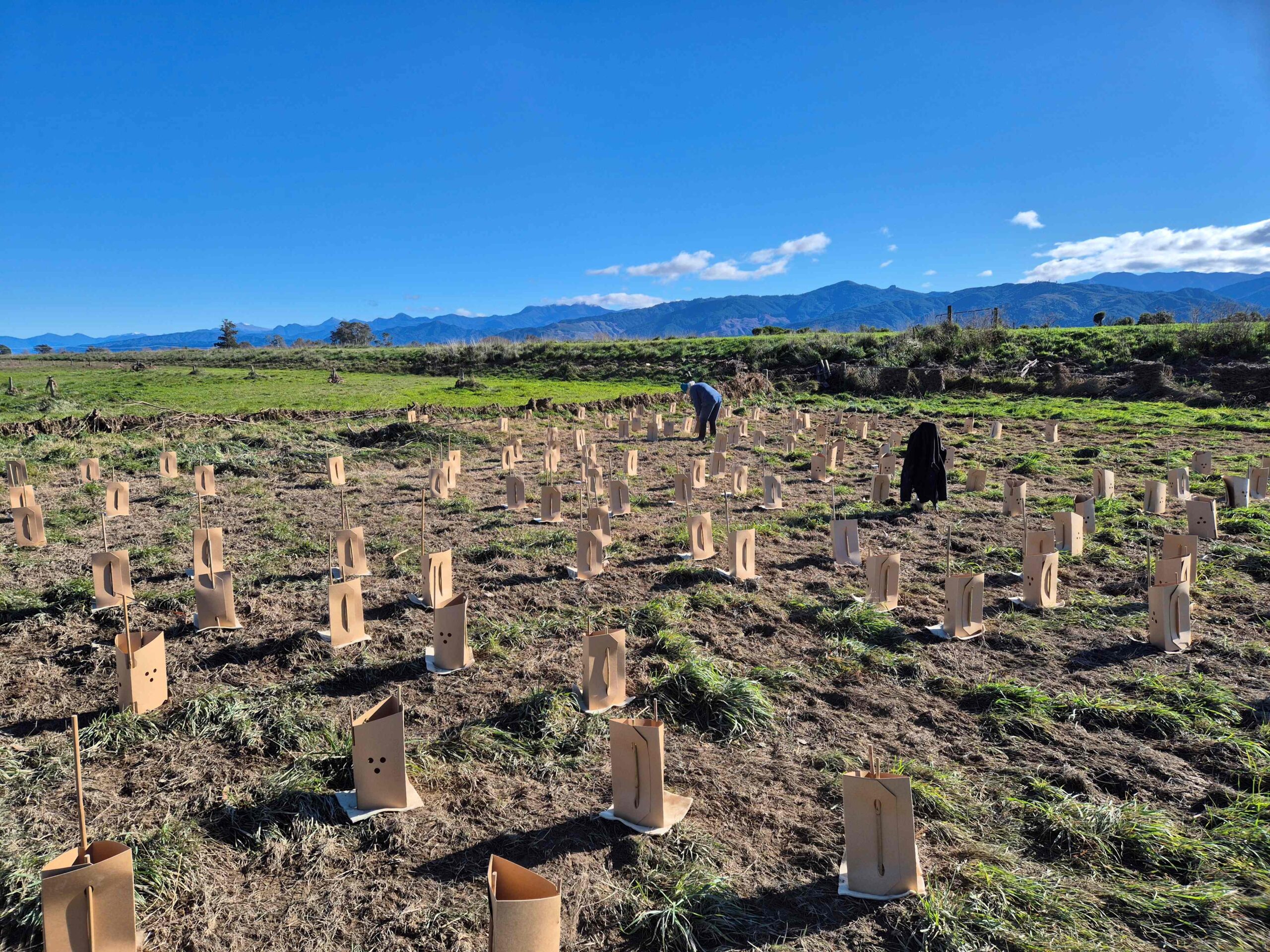
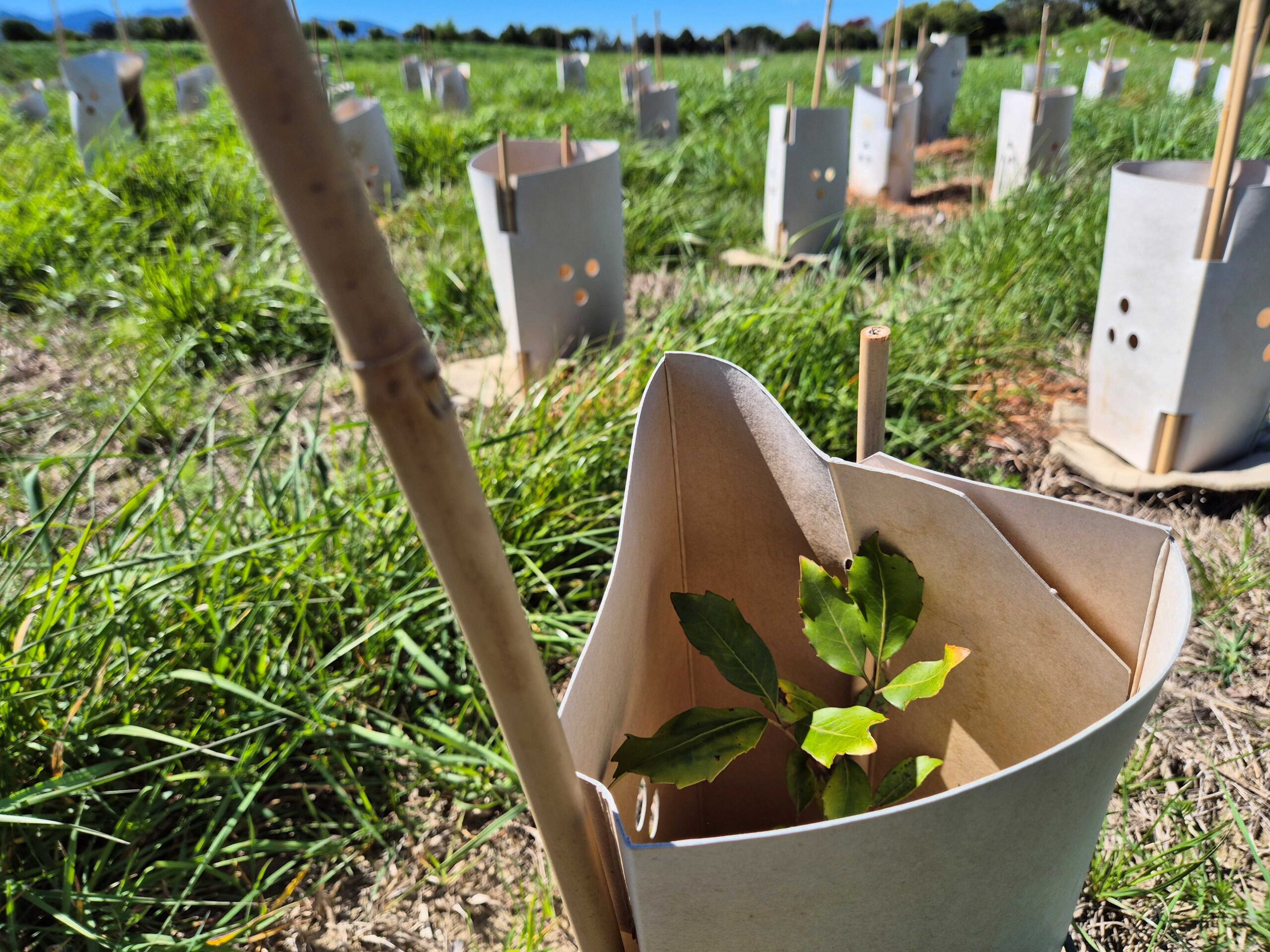
    Grow guards can be helpful, sometimes critical, in increasing survival of new planted trees. They help with protecting from dry winds, frosts, rabbits, hares and pukekos, and rank grass. However, if your conditions allow, you can save money by not using them. When planning restoration, also do a cost/benefit analysis of your systems. Mark Lovegrove, from Cloudy Bay Vineyards, finds he can do without them. Watch his 1min video.

  • All about Planting workshop, July 2025

    All about Planting workshop, July 2025

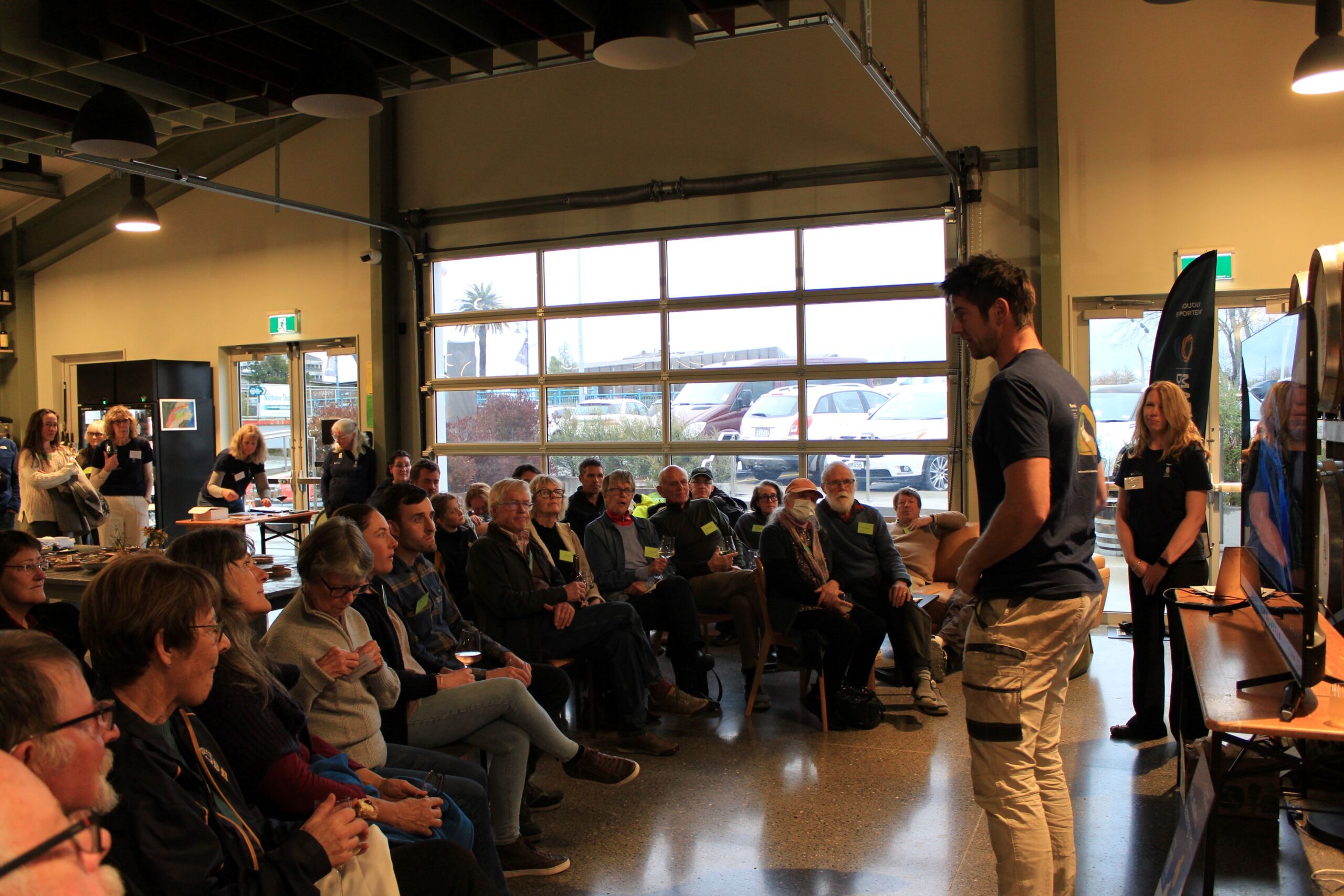
    Participants from viticulture, farming, urban and lifestyle blocks came together at Clos Henri vineyard to hear all about planting, starting with a presentation from Wairau Nature Network coordinator Wendy Sullivan on planning, preparation, planting and protection. We then went on a small tour of the restoration efforts of Clos Henri vineyard.

    Clos Henri have been restoring their central valley since 2022, and are a perfect example of incorporating native biodiversity into a productive landscape. Participants then smashed out planting 250 trees in a hour before enjoying a gourmet BBQ and the opportunity to taste Clos Henri’s organic wine.

  • Upcoming: Community planting day

    Upcoming: Community planting day

    Community Planting Day, 6 June 2026 9:30am -12:30pm

    Thomsons Ford Reserve has been adopted by the Wairau Nature Network as a demonstration site for restoration techniques and educational opportunities.

    We are excited about working with you to plant the first 1000 trees!

    Planting from 9:30-12pm, then join us for a BBQ lovingly cooked by the Lions Club Blenheim. For catering please register here

    Where: Thomsons Ford, junction of O’Dwyers and Thomsons Ford roads

    Bring: warm clothes, gumboots or solid boots, a spade if you have one, and a water bottle

    Postponement: 13th June- registered volunteers will receive email notification, otherwise please check Wairau Nature Network facebook page before 8:30am.

    Any questions, please email wendy.sullivan@landcare.org.nz

    This event is part of Junior Landcare, a nationwide initiative by NZ Landcare Trust and supported by the Bupa Foundation, connecting families to nature through fun, hands-on experiences. The Wairau Nature Network is proud to be the Junior Landcare host for 2026!

  • Marlborough Chinese Community family day

    Marlborough Chinese Community family day

    We had a wonderful afternoon with families from the Marlborough Chinese Community, exploring the Grovetown Lagoon and its forests on a sensory treasure hunt, visiting the bird hide, and enjoying a relaxed picnic in the late afternoon sun.

    It’s always rewarding to help the community connect to nature in their place and we look forward to many more events together.

  • Plants for supporting kererū

    Plants for supporting kererū

    The kererū is vital to the survival of Aotearoa’s native forests. It is the only bird capable of swallowing and dispersing large native fruits (greater than 12mm in diameter) whole. Tree species such as tawa and miro rely on kererū to spread their seeds and regenerate new forest. Without kererū, these trees would struggle to reproduce, and forests would gradually change in composition. For this reason, kererū are considered a keystone species of lowland forests.

    Protecting kererū means safeguarding the ecological processes that sustain our native forests. Through restoring habitat and strengthening ecological corridors, the Wairau Nature Network is working to create landscapes that can support kererū not just seasonally, but year-round.

    Kererū feed on the fruit, leaves, buds and shoots of more than 100 native species, as well as
    around 50 introduced plants. At times, they gorge on ripe fruit – occasionally becoming so
    full that they fall from trees.

    By planting a diverse selection of the listed native trees, you can provide year-round food for kererū.

  • What’s in a name…

    What’s in a name…

    What’s in a name? Quite a lot, as it turns out.

    We knew our new “mapping app” didn’t adequately describe the kaupapa or the significance of this new tool. It’s not just about displaying sites on a map – it’s about strengthening restoration across the Wairau catchment and supporting long-term ecological connection. After much brainstorming, we settled on Wairau EcoMap.

    Wanting a name in te reo Māori that carried the depth, care and intent behind the work, we approached Te Matahiapo Safari Hynds, of Rangitāne o Wairau. He loved the mahi we were undertaking and generously offered to gift a name. After spending time with our mapping tool and website, he proposed two complementary names:

    Tāmata — meaning to revitalise — is the Wairau Information Hub. It provides a shared platform for knowledge, practical guidance, tools, and restoration stories to support informed action- wairaunaturenetwork.org.nz

    Haumi — meaning to work together in collaboration — is the Wairau EcoMap: an interactive mapping platform designed to visualise restoration activity, identify opportunities for ecological corridors, and support coordination across properties and projects – wairaunaturenetwork.maphq.co.nz

    Together, Wairau Information Hub | Tāmata and Wairau EcoMap | Haumi reflect both purpose and practice – integrating information and collaboration to strengthen ecological and social connectivity across the Wairau catchment. Ka pai Te Matahiapo!

  • Profiling our working group: Helen Braithwaite

    Profiling our working group: Helen Braithwaite

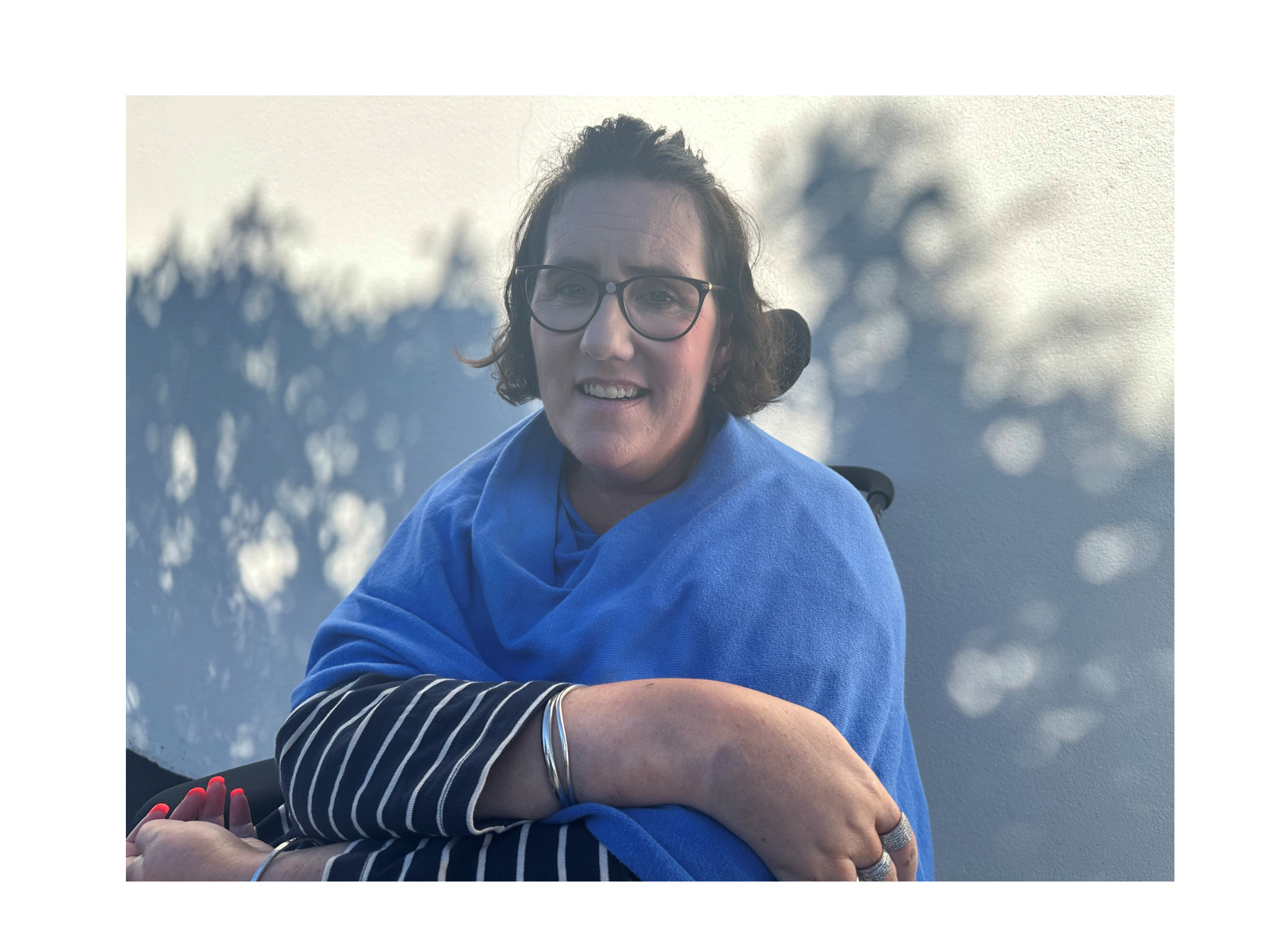
    The Wairau Nature Network working group is powered by people who have an immense wealth of experience. Next in our profile series is Helen Braithwaite, a true stalwart of nature whose behind-the-scenes efforts keep things moving without fuss.

    What inspired you to become involved in the Wairau Nature Network?

    I am involved with Forest & Bird and a few other local environmental projects and it seemed like a good idea to connect the people and projects via a green corridor.

    What’s the biggest environmental challenge you think the Wairau catchment faces right now?

    Apart from climate change and water issues that are universal challenges, the Wairau has a lack of the original lowland native vegetation along the awa – both as seed sources and tree cover.

    Can you share a project or achievement from the network that you are most proud of?

    WNN now has a website and a map that can hold information and help individuals and groups to restore native vegetation and species.

    How do you see the role of community partnerships in restoring and protecting local ecosystems?

    Partnerships are vital to achieve widespread restoration, as no one person or organisation can achieve this on their own. By developing partnerships, progress can be maintained, not being dependent on just a few individuals or one funding source.

    What is your personal connection to the Wairau area – what makes it so special to you?

    My partner and I chose to move to Marlborough as we love the area. The Wairau catchment has huge potential to reintroduce native biodiversity by working with people and organisations in the area.

  • From ditches to wetlands: Restoring and reconnecting waterways

    From ditches to wetlands: Restoring and reconnecting waterways

    What a fantastic Connecting Waterways workshop we had!

    It had it all – the technical, the informative, and the aspirational. But the real highlight was hearing connections being made across our network. Those conversations and shared ideas are where the magic happens.

    Fun fact: the freshwater fish smelt really does smell like cucumber – and it’s not your imagination! They contain the same chemical compound found in cucumbers.

    This webinar explores how even the most modified waterways can be brought back to life. Presented by Nathan Burkepile of NZ Landcare Trust, the session shares practical insights, real-world examples, and hopeful pathways for restoring ecological function, biodiversity, and resilience across lowland landscapes. Whether you’re working with streams, drains, or something in between, this webinar highlights why every waterway matters and what we can do to make a difference.