Category: Workshop

  • All about Planting workshop, July 2025

    All about Planting workshop, July 2025

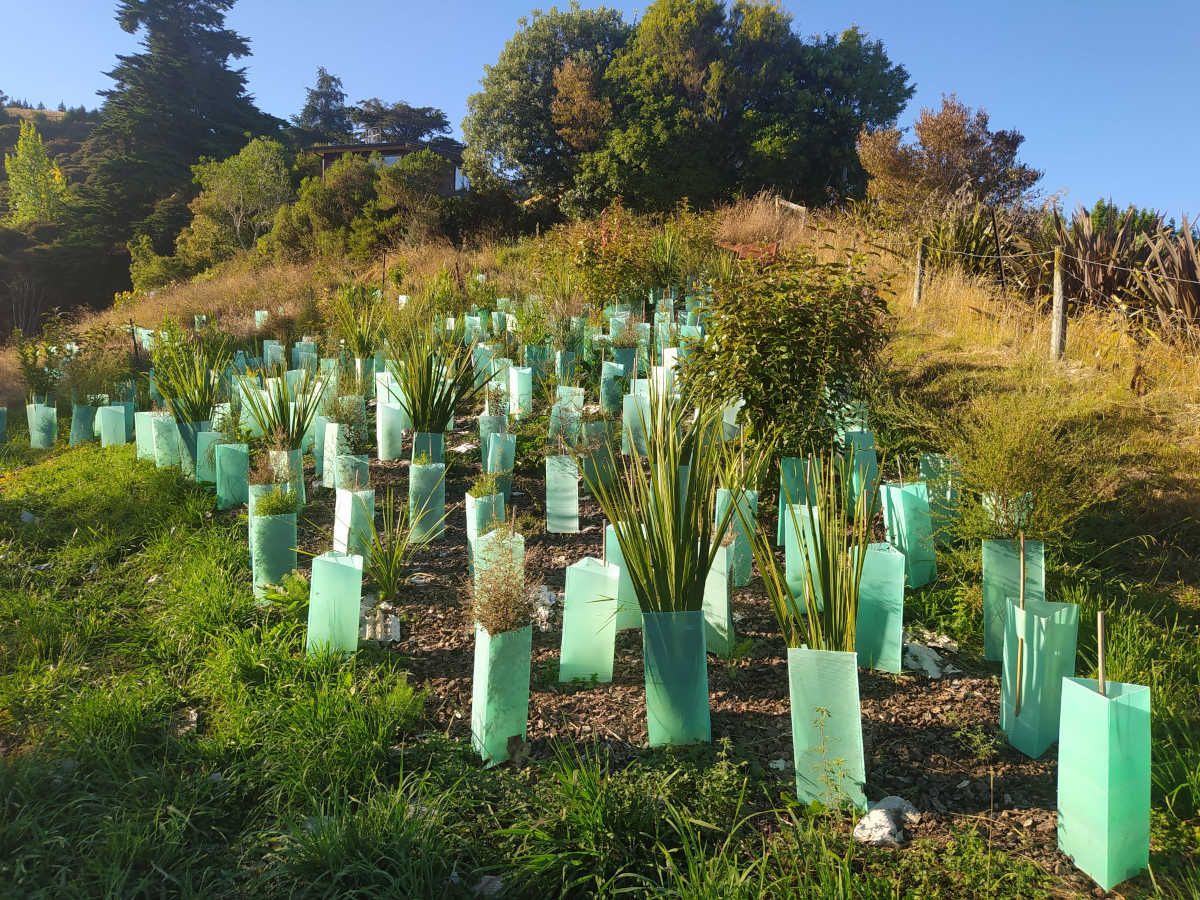
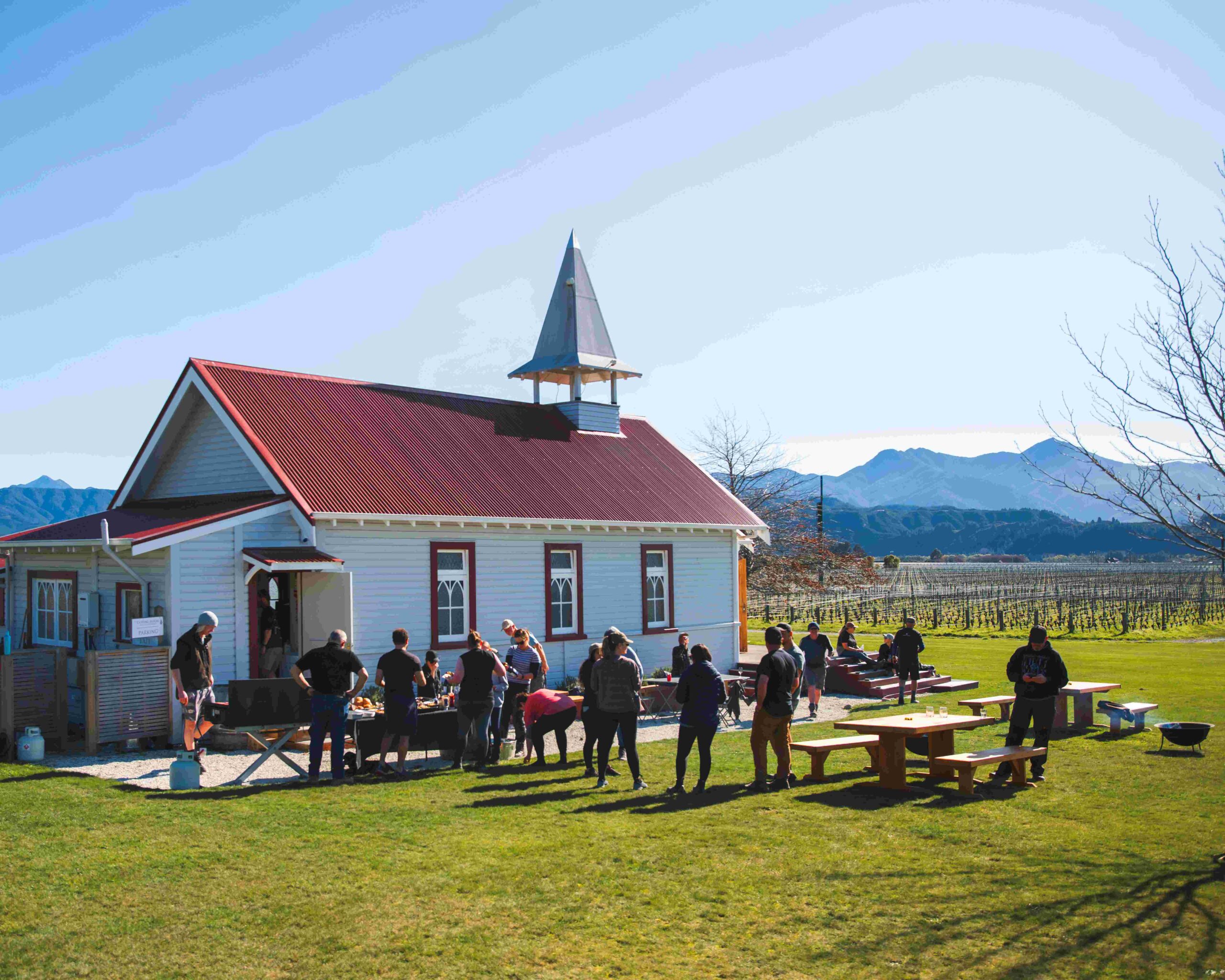
    Participants from viticulture, farming, urban and lifestyle blocks came together at Clos Henri vineyard to hear all about planting, starting with a presentation from Wairau Nature Network coordinator Wendy Sullivan on planning, preparation, planting and protection. We then went on a small tour of the restoration efforts of Clos Henri vineyard.

    Clos Henri have been restoring their central valley since 2022, and are a perfect example of incorporating native biodiversity into a productive landscape. Participants then smashed out planting 250 trees in a hour before enjoying a gourmet BBQ and the opportunity to taste Clos Henri’s organic wine.
  • Upcoming: Community planting day

    Upcoming: Community planting day

    Community Planting Day, 6 June 2026 9:30am -12:30pm

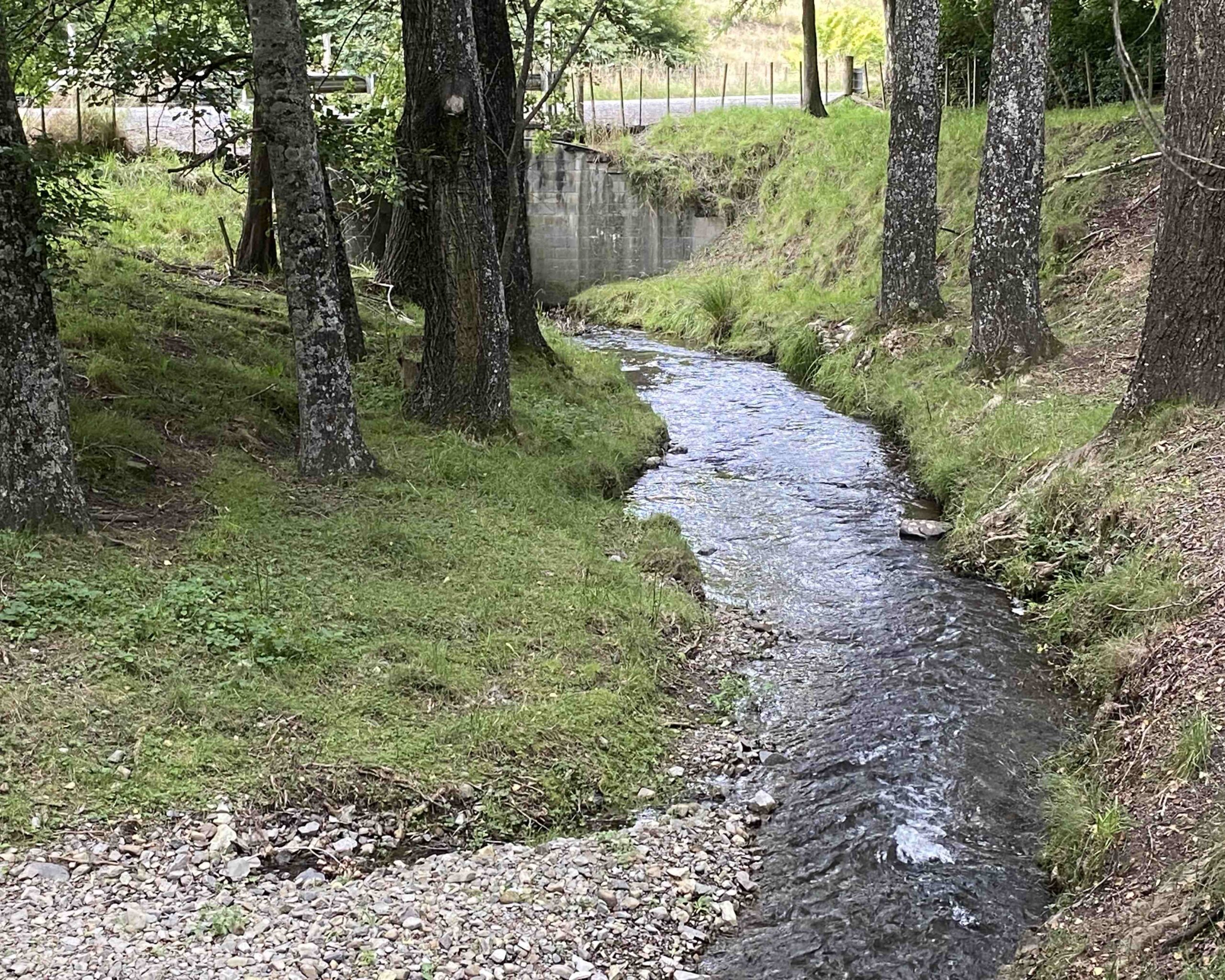
    Thomsons Ford Reserve has been adopted by the Wairau Nature Network as a demonstration site for restoration techniques and educational opportunities.

    We are excited about working with you to plant the first 1000 trees!

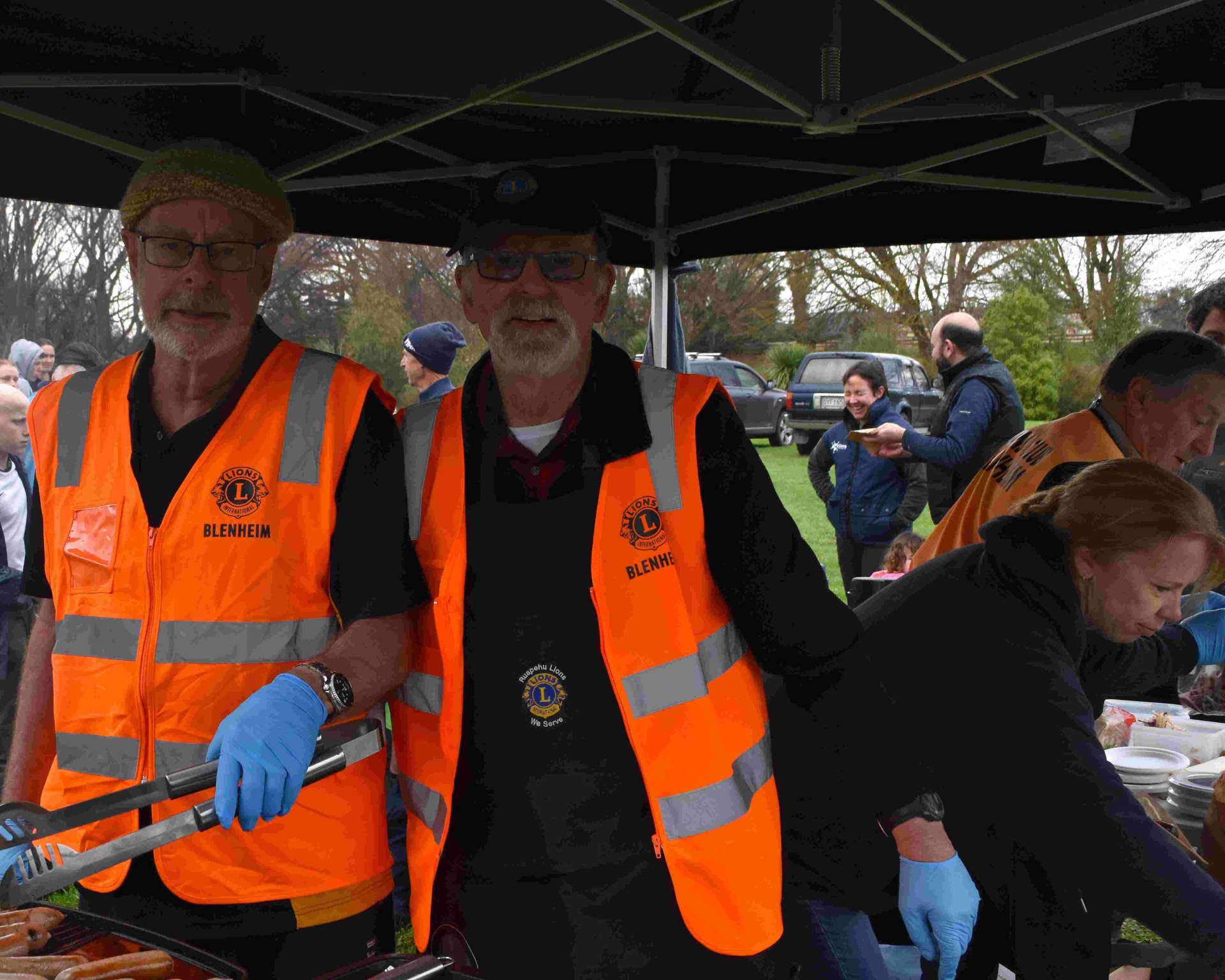
    Planting from 9:30-12pm, then join us for a BBQ lovingly cooked by the Lions Club Blenheim. For catering please register here

    Where: Thomsons Ford, junction of O’Dwyers and Thomsons Ford roads

    Bring: warm clothes, gumboots or solid boots, a spade if you have one, and a water bottle

    Postponement: 13th June- registered volunteers will receive email notification, otherwise please check Wairau Nature Network facebook page before 8:30am.

    Any questions, please email wendy.sullivan@landcare.org.nz

    This event is part of Junior Landcare, a nationwide initiative by NZ Landcare Trust and supported by the Bupa Foundation, connecting families to nature through fun, hands-on experiences. The Wairau Nature Network is proud to be the Junior Landcare host for 2026!

  • From ditches to wetlands: Restoring and reconnecting waterways

    From ditches to wetlands: Restoring and reconnecting waterways

    What a fantastic Connecting Waterways workshop we had!

    It had it all – the technical, the informative, and the aspirational. But the real highlight was hearing connections being made across our network. Those conversations and shared ideas are where the magic happens.

    Fun fact: the freshwater fish smelt really does smell like cucumber – and it’s not your imagination! They contain the same chemical compound found in cucumbers.

    This webinar explores how even the most modified waterways can be brought back to life. Presented by Nathan Burkepile of NZ Landcare Trust, the session shares practical insights, real-world examples, and hopeful pathways for restoring ecological function, biodiversity, and resilience across lowland landscapes. Whether you’re working with streams, drains, or something in between, this webinar highlights why every waterway matters and what we can do to make a difference.

  • Fire-Smart Restoration webinar

    Fire-Smart Restoration webinar

    Planting Fire-Smart Landscapes

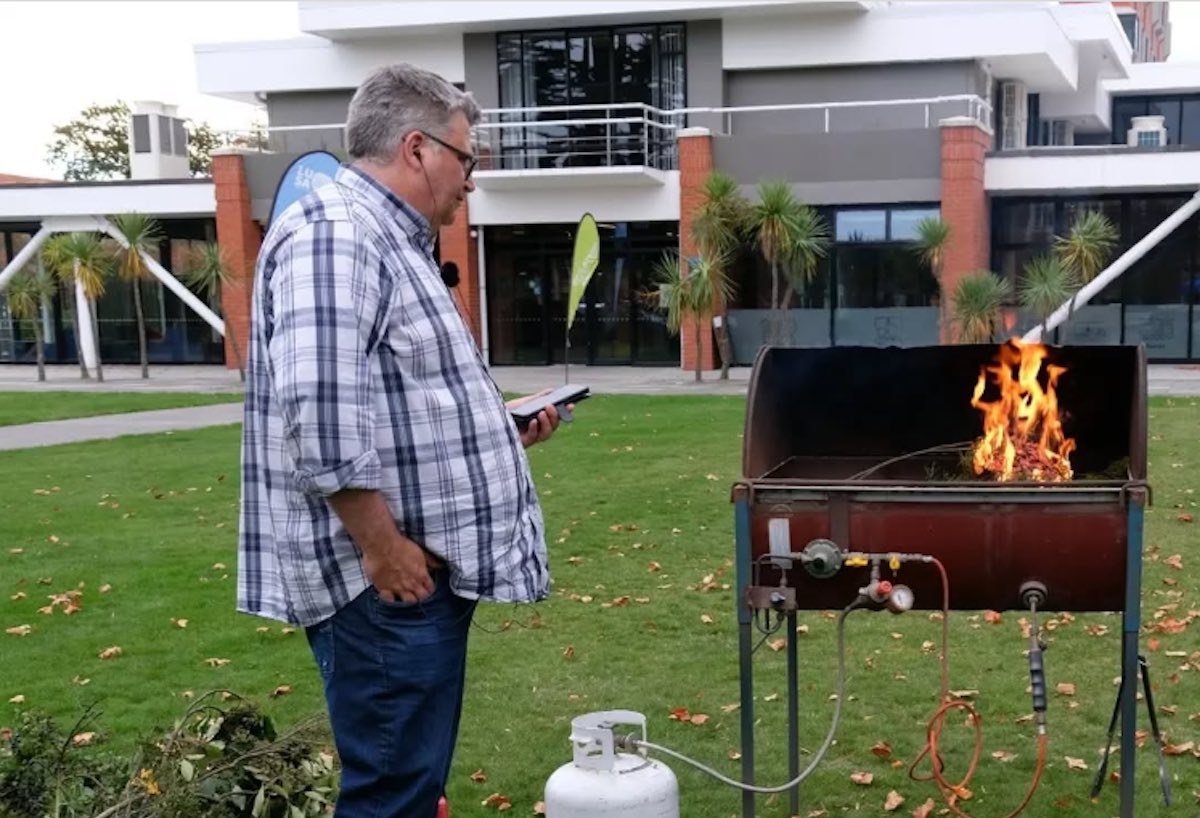
    Wildfire risk is an increasing concern in New Zealand, and with hotter, drier summers becoming more frequent, understanding how to reduce vulnerability is more important than ever. A recent webinar brought together experts Dr. Tim Curran from Lincoln University and Steve Trigg, FENZ, to share the latest insights into fire-smart restoration and practical ways communities can prepare.

    Research into Plant Flammability

    One of the key themes explored was plant flammability. Research has shown that the types of plants we choose for landscaping and restoration can make a real difference in slowing the spread of fire. Dr. Curran discussed ongoing testing to identify species with lower flammability, which can be incorporated into fire-smart planting plans.

    Strategies for Safer Communities

    The webinar also introduced a range of fire mitigation strategies, including:

    Low-flammability plantings to reduce the speed and intensity of fire.

    Green fire breaks that act as buffers between natural areas and homes.

    Defensible space – creating safer zones around houses to protect people and property.

    Watch the full 50min webinar.

  • Microforest & Biochar workshop, May 2025

    Microforest & Biochar workshop, May 2025

    38 people attended a Microforest and Biochar forest, with guest speaker Asita Langi from Nelson Whakatu Microforest Initiative.

    What is a microforest? Often no bigger than a tennis court, microforests are small, multi-layered planted forests that serve as carbon stores and biodiversity stepping stones. Because they are small they are ideal for schools, businesses, industrial areas and unproductive rural land.

    While small, microforests are planted with more species than traditional restoration sites, and incorporate the layers of the forest. This is called the Miyawaki Technique, after the Japanese ecologist who designed the methodology.

    “For a natural plant community (society), the best situation is where the plants compete with each other and have to put up with each other. Our method of planting trees followed the law of the forest, and seedlings whose roots had filled the pot were planted, different species mixed together. In a natural forest, between 30 and 50 seedlings sprout per square meter. There are some places in Borneo where there are between 500 and nearly 1,000 seedlings per square meter [sic].“ – Akira Miyawa

    Asita also discussed how biochar was incorporated into the Nelson Whakatu Microforest and significantly improved soil water and nutrient retention. The photos of the four-year-old growth impressed even the most hardened critic in the room!