Use of water crystals to increase plant survival in dry areas.
Watch 4min video.

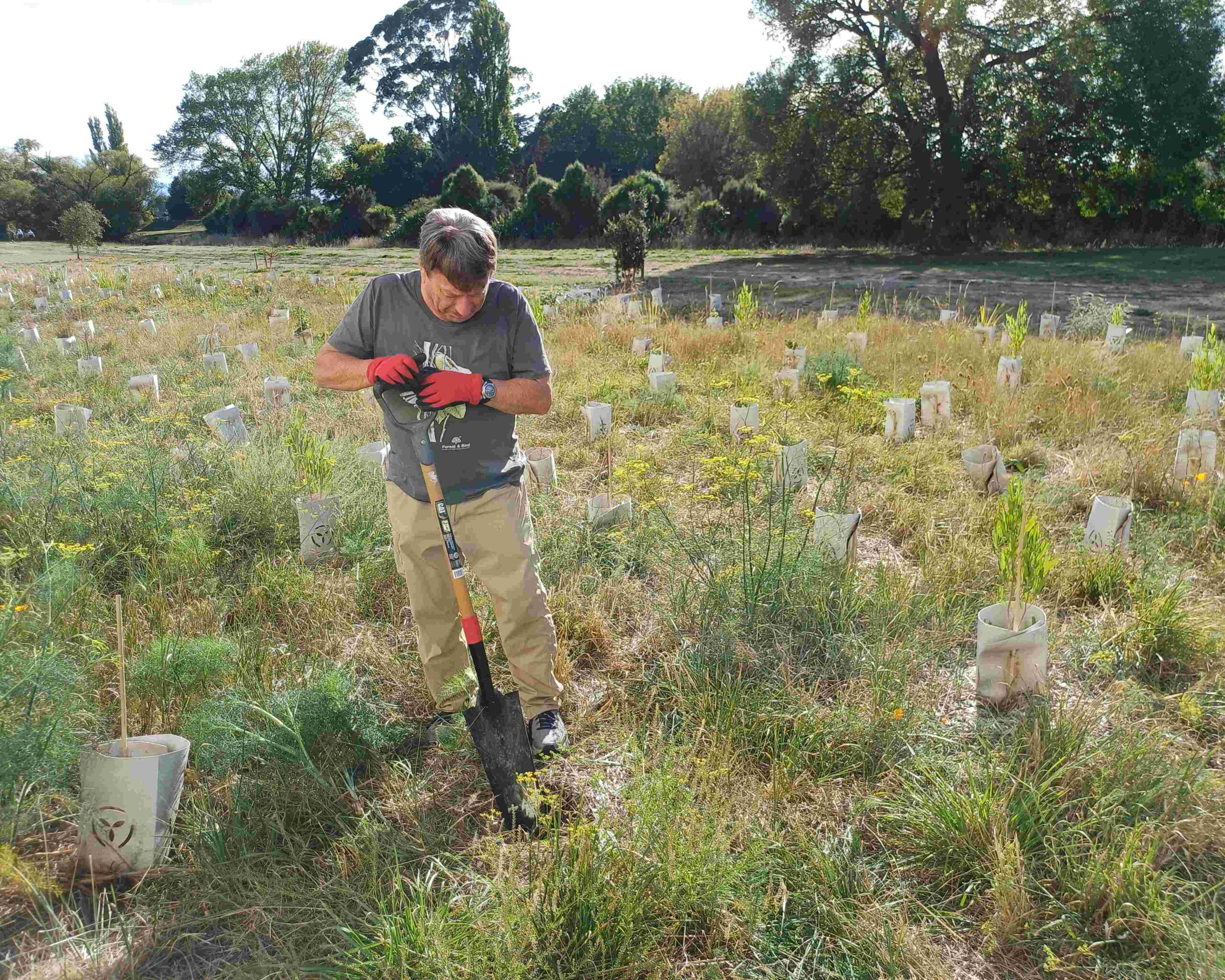
Use of water crystals to increase plant survival in dry areas.
Watch 4min video.
Applying for funding can be time-consuming; however many funders use similar language in their criteria. These tips will help you pick out the key words and understand what funders are really asking for.
Read more here
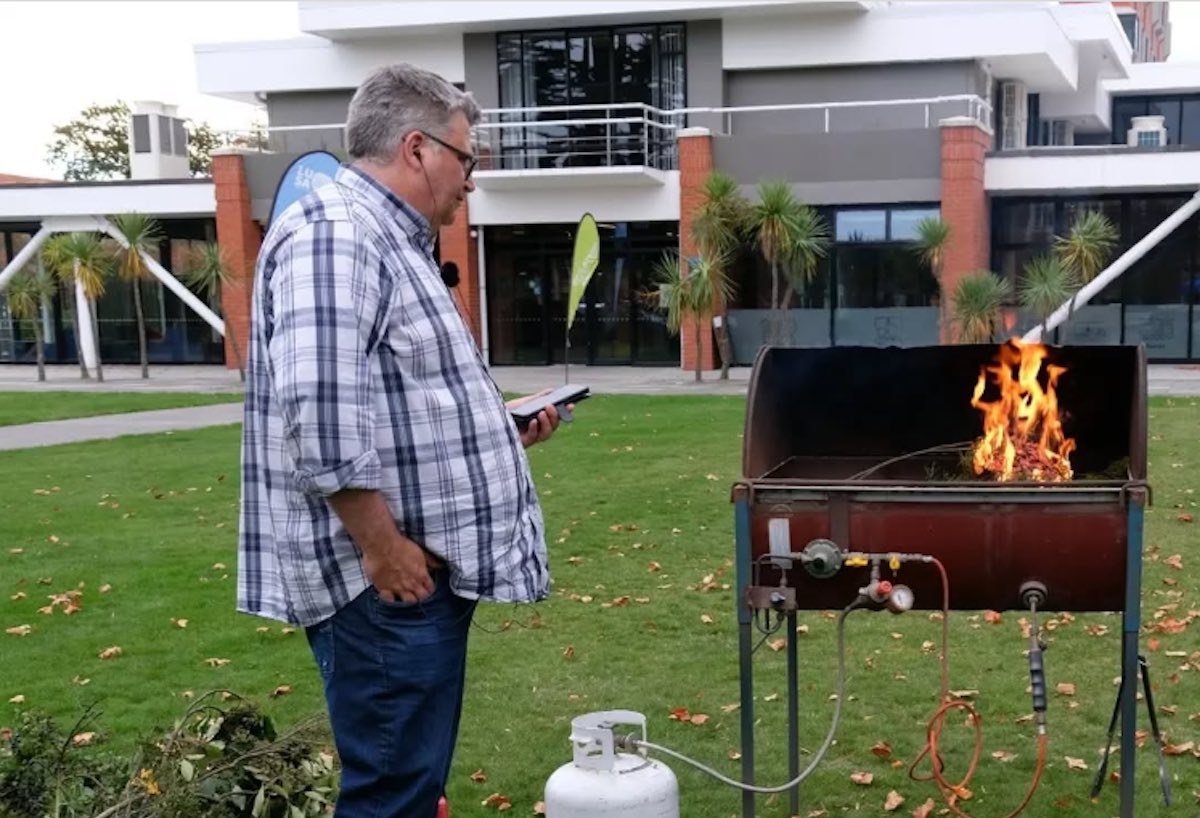
Wildfire risk is an increasing concern in New Zealand, and with hotter, drier summers becoming more frequent, understanding how to reduce vulnerability is more important than ever. A recent webinar brought together experts Dr. Tim Curran from Lincoln University and Steve Trigg, FENZ, to share the latest insights into fire-smart restoration and practical ways communities can prepare.
One of the key themes explored was plant flammability. Research has shown that the types of plants we choose for landscaping and restoration can make a real difference in slowing the spread of fire. Dr. Curran discussed ongoing testing to identify species with lower flammability, which can be incorporated into fire-smart planting plans.
The webinar also introduced a range of fire mitigation strategies, including:
Low-flammability plantings to reduce the speed and intensity of fire.
Green fire breaks that act as buffers between natural areas and homes.
Defensible space – creating safer zones around houses to protect people and property.
Watch the full 50min webinar.