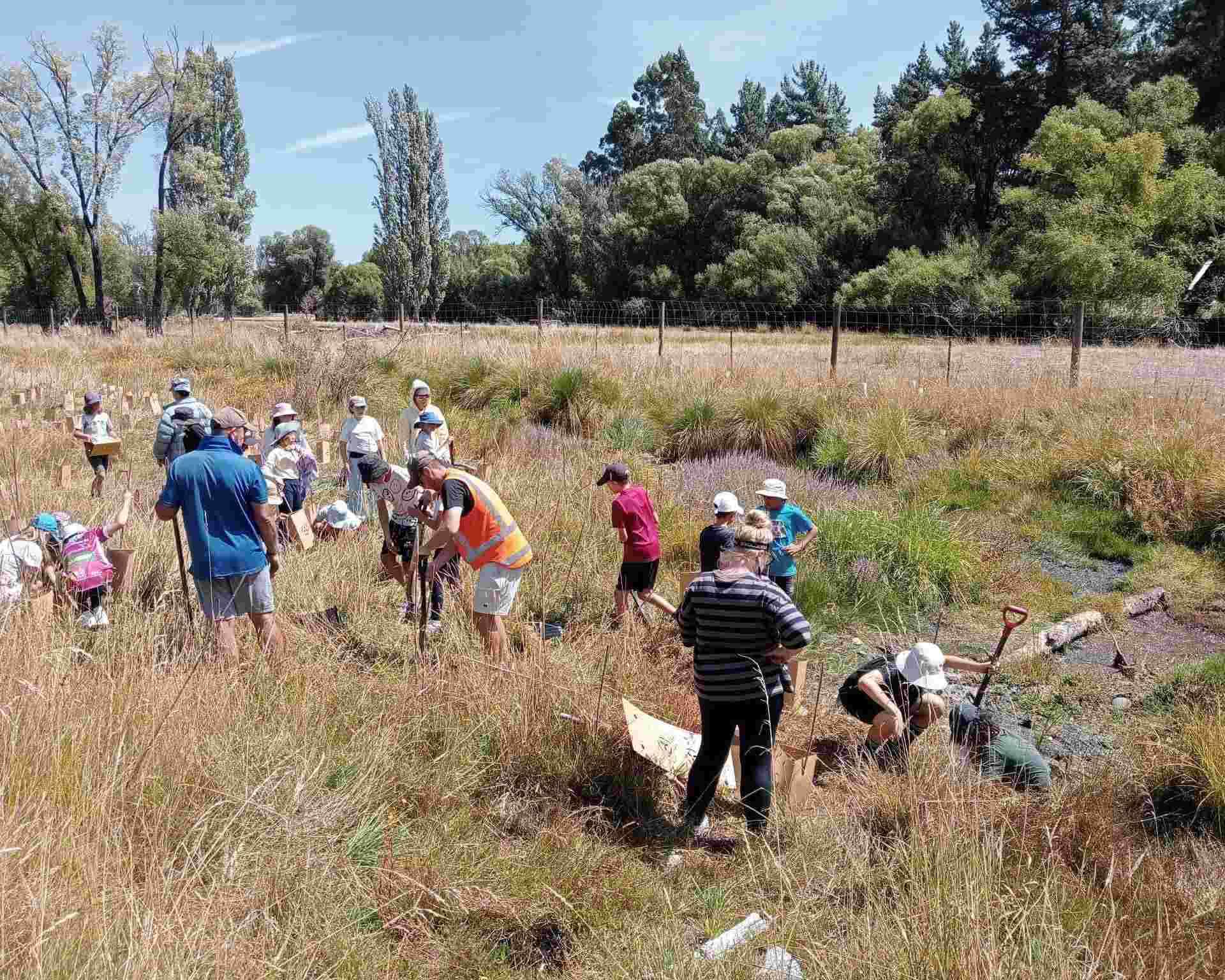
Wairau Nature Network (WNN) helps weave together people, wildlife, and native ecosystems across the Wairau Catchment to enhance the health and connectivity of our natural habitats. One of the easiest ways to make a real difference is working with your neighbours to connect patches of habitat, creating corridors for kererū, tūī, wētā, and other native species.
Why neighbourhood restoration matters
- Support native wildlife: Corridors allow species such as kererū, tūī, and bellbirds to move between forest fragments. Many species provide an important ecosystem function, such as seed dispersal, so having a full suite of species is critical to overall
habitat health - Stronger ecosystem resilience: Connected and healthy habitats help streams, wetlands, and paddocks withstand drought, floods, and pests, and in turn, the populations within them during catastrophic events.
- Shared effort, shared rewards: Coordinating planting, fencing, or pest control multiplies results.
- Community connection: Working together builds relationships across the catchment.
How to start engaging with your neighbours
- Friendly conversation first
- Invite your neighbour for a chat, coffee, or a short walk around your property.
- Ask what they care about – native birds, healthy streams, or sustainable land use.
- Keep it simple – talk about trees, streams, birds, and wētā rather than technical catchment jargon…or politics!
- Find common ground
- Maybe you both want more kererū food trees, or fewer pests in your gardens.
- Shared goals will guide what actions you take together.
- Host informal gatherings
- Once you think you have buy-in from one or two neighbours, go wider with a social event, working bee and/or picnic by a wetland, or a short walk to look at potential corridors.
- Keep it social – enthusiasm spreads faster than rules and forms!
Practical actions for connectivity
- Map your opportunities
- Sketch where native vegetation already exists.
- Identify gaps where corridors could link existing bush, riparian margins, or wetlands.
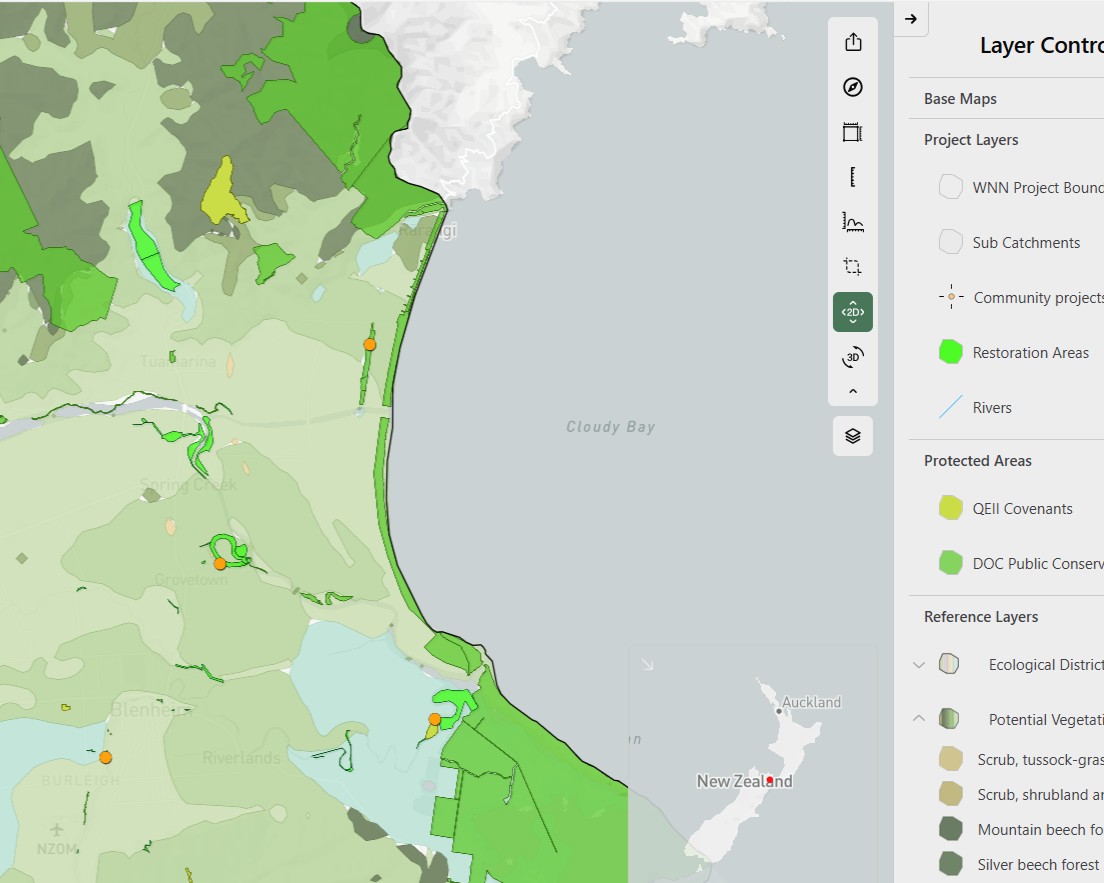
- WNN’s mapping tool can help visualise high-priority sites.
- Collaboration ideas
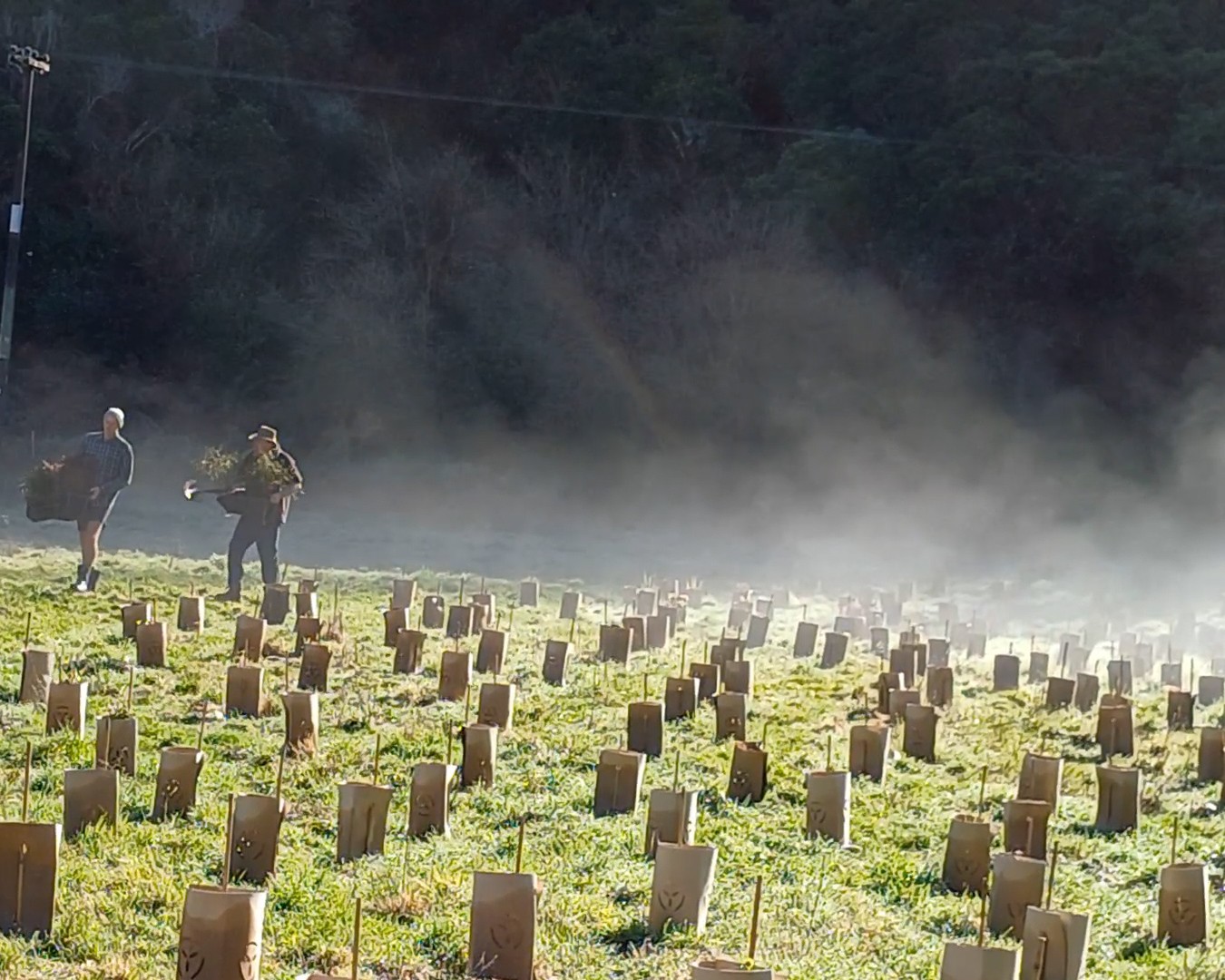
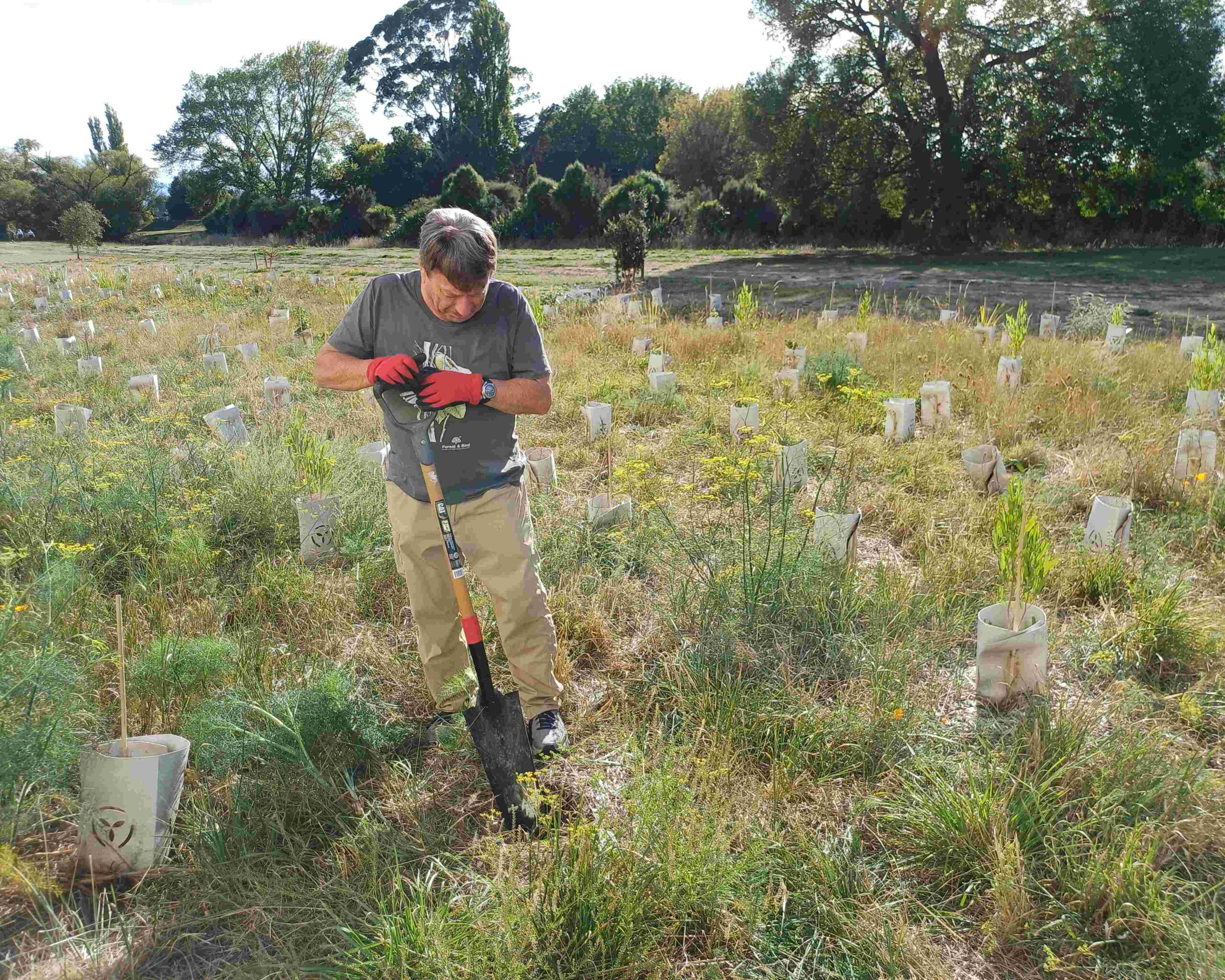
- Plant together: native shrubs and trees along boundaries or stream edges.
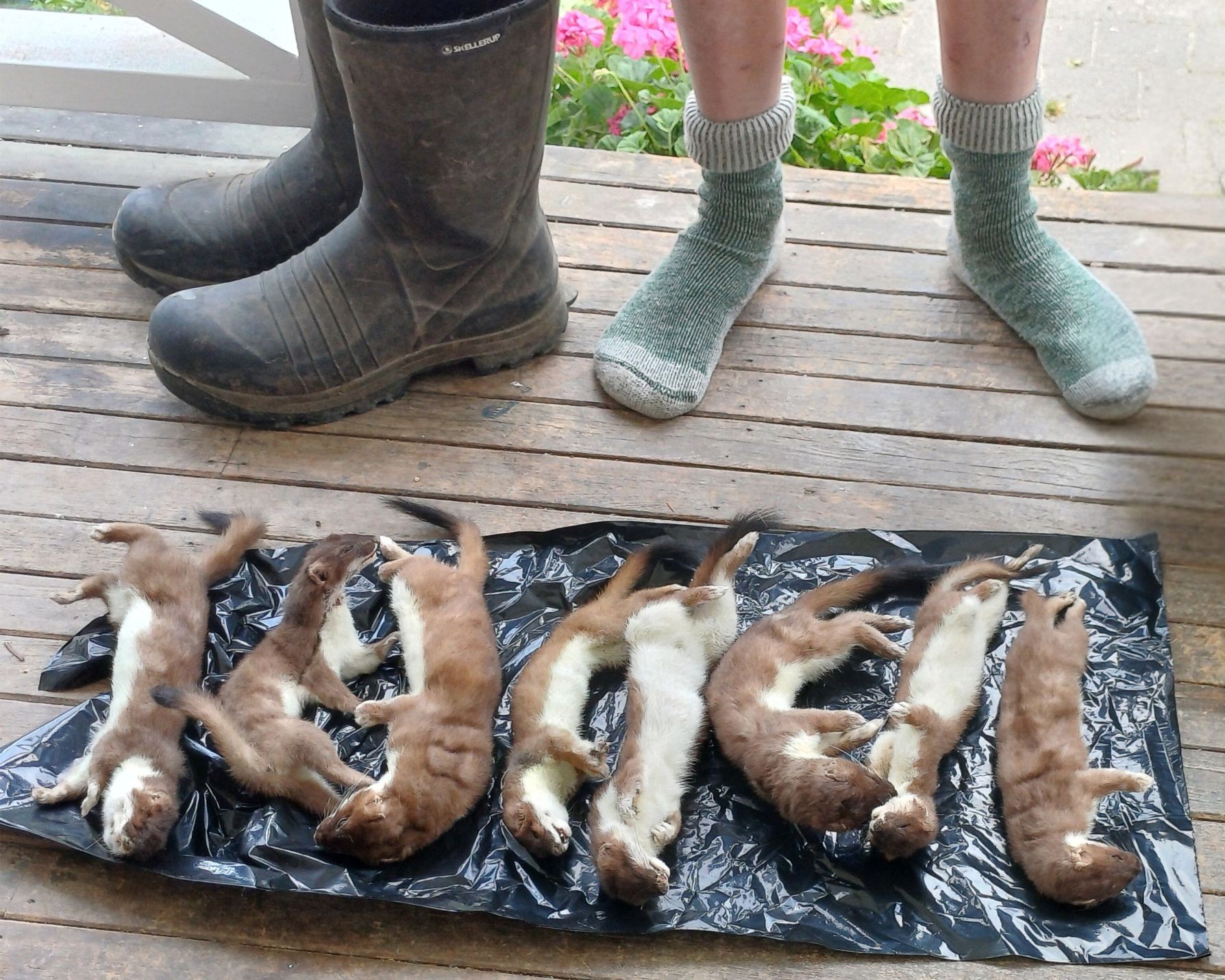
- Pest management: coordinate traps and bait lines across neighbouring properties.
- Share resources: seedlings, tools, advice, or volunteer time.
- Monitoring: track birds, lizards, or wētā to see improvements.
Keeping momentum simple
- Make a shared plan (can be just a few bullet points): what, when, who, and what resources are needed.
- Celebrate wins: first planting, first kererū sighting, first pest-free patch.
- Be flexible: small, achievable steps build trust and long-term participation.
Can you (or do you want to) grow bigger?
- Your informal group may get to a point of wanting to expand efforts and/or area.
- Often, funding is limited to formalised groups that have a legal entity, so this may be
an option you want or need to take. - There may already be an existing group you could partner with to fill this
responsibility. - Talk to the Wairau Nature Network about what support they can offer in this space.
- NZ Landcare Trust has plenty of resources available for starting a catchment (or environmental) group.
Tips for Success
- Respect different levels of interest – sometimes it’s just not the right time for people; keep the ‘gate’ open for when they do choose to join in.
- Listen deeply – understand what matters to your neighbours.
- Leverage local knowledge – people know which areas are best for planting, fencing, or pest control.
- Seek expert help – Wairau Nature Network, NZ Landcare Trust and Council love to support restoration efforts!
- Keep it practical – even small plantings along a fence line can create important wildlife corridors.
- Respect privacy – only share information with each other’s permission.
Resources
NZ Landcare Trust catchment resources – https://landcare.org.nz/resource/catchment-group-starter-guide/
Wairau Nature Network – contains a resource library of best practice guidance, funding prospects and connection opportunities: https://wairaunaturenetwork.org.nz/
Wairau Nature Network mapping tool – https://wairaunaturenetwork.maphq.co.nz/