Author: Wendy

  • Profiling our working group: Kristen Dempster

    Profiling our working group: Kristen Dempster

    The Wairau Nature Network working group is strengthened by people like Kristen Dempster, whose process-driven approach and sharp eye for detail help turn ideas into practical action.

    What inspired you to become involved in the Wairau Nature Network?

    There are a lot of exciting restoration projects happening in the Wairau Catchment, and it’s great to have a network for connecting people, sharing enthusiasm, knowledge, and resources within the community.

    What’s the biggest environmental challenge you think the Wairau Catchment faces right now?

    In terms of habitat restoration, there’s fragmentation between pockets of indigenous vegetation and restoration projects. The Network’s interactive mapping tool illustrates this. The Network provides support for increasing ecological stepping stones between these established and establishing sites.

    Can you share a project or achievement from the network that you are most proud of?

    The Network has achieved a lot since its inception, including regular workshops and the mapping tool. The website is a great resource for anyone interested in restoration planting. Strengthening existing community networks and creating opportunities for more people to get involved is the best achievement.

    How do you see the role of community partnerships in restoring and protecting local ecosystems?

    Community partnerships are key to restoring local habitats. There are lots of community-led restoration projects. The Network provides a hub in the Wairau Catchment to support anyone who wants to be involved.

    What is your personal connection to the Wairua area – what makes it so special to you?

    The hills. The landscapes of the Wither Hills and Richmond Ranges are beautiful and are great for recreation.

  • Mapping the future of restoration in the Wairau

    Mapping the future of restoration in the Wairau

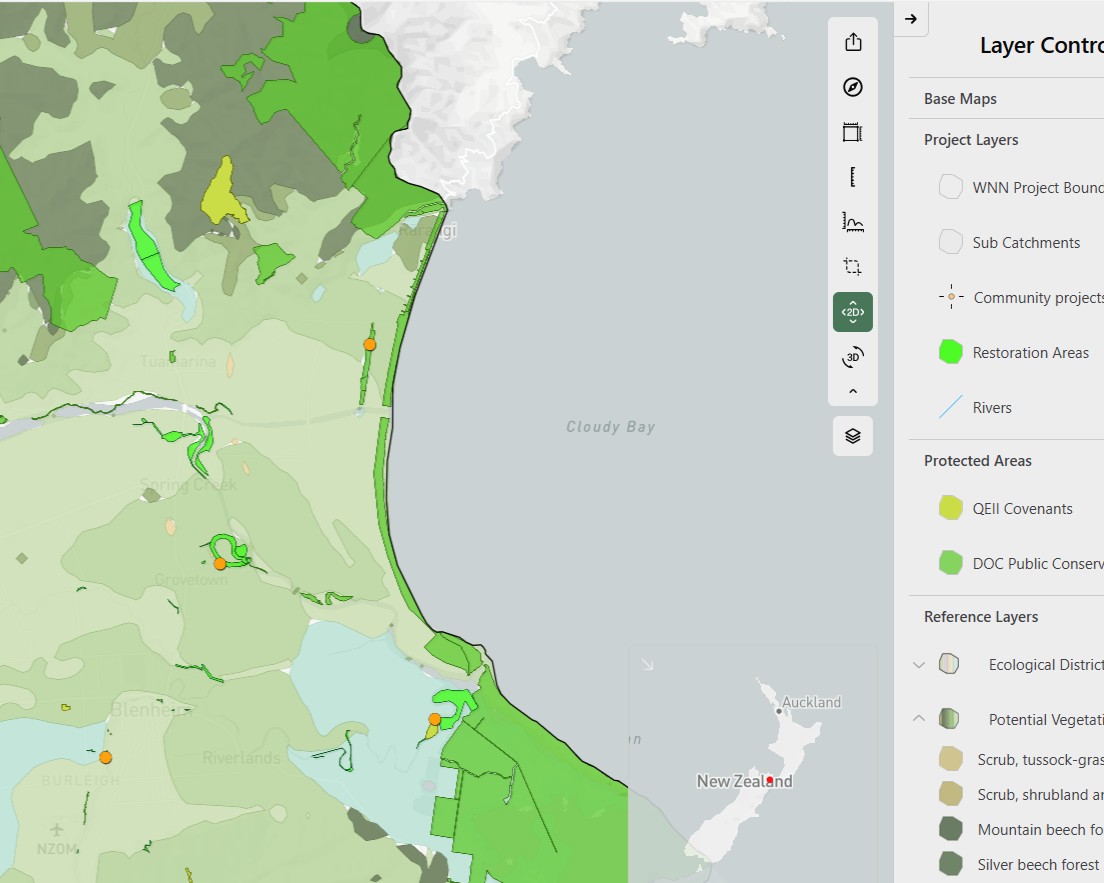
    Yesterday marked a milestone for the Wairau Nature Network with the public launch of our new mapping app:

    https://wairaunaturenetwork.maphq.co.nz

    This tool is designed to help us understand what native vegetation remains in the Wairau, where the gaps are, and how we can reconnect ecosystems through targeted restoration. By exploring the map layers, you can see what should or could be growing in different areas, identify opportunities for ecological corridors, and access guidance on suitable species to plant. It also highlights the incredible restoration already underway across both public and private land.

    The app is still in its early stages – many restoration efforts are yet to be added, and there’s plenty more mapping (and planting!) to come. But now that it’s live, we hope more landowners will be keen to showcase their work.

    A huge thank you to MapHQ for their outstanding support and expertise, we can’t recommend them highly enough.

  • Health & Safety template for Volunteers and Events

    Health & Safety template for Volunteers and Events

    This guidance document and template can be used to help community groups and individuals develop a health and safety plan for the activities they are undertaking when using volunteers. Just Copy and Paste into a Word document and change as you need.

    Template

  • Profiling our working group: Angela Wentworth

    Profiling our working group: Angela Wentworth

    The Wairau Nature Network thrives thanks to a dedicated team of passionate community members – and it’s time to celebrate the people behind the mahi. First up in our profile series is Angela Wentworth, whose commitment to nature and community is inspiring.

    What inspired you to become involved in the Wairau Nature Network?

    As an environmental educator for Marlborough District Council, I work with tamariki and rangatahi who really care about the environment. They notice things – fewer birds in their playgrounds, rubbish in their awa – and they want to do something about it.

    I joined the Wairau Nature Network because it’s a great way to connect schools with the amazing people and groups already taking action and be part of a community effort to restore the health and biodiversity of the Wairau.

    What’s the biggest environmental challenge you think the Wairau catchment faces right now?

    One of the biggest challenges isn’t unique to Wairau, it’s the loss of connection with nature. When we give young people the chance to learn in nature and discover how incredible it is, that connection grows and they become its biggest advocates.

    Can you share a project or achievement from the network that you are most proud of?

    I’m proud of all that the Network has achieved so far. It’s no small feat to have come from one idea and a meeting to gauge interest to now having a committee, hosting restoration workshops, and building an online hub full of tools, stories, and videos to help others start or strengthen their own restoration journeys. It’s been a huge, combined effort.

    How do you see the role of community partnerships in restoring and protecting local ecosystems?

    They’re so important. No single organisation can restore an entire catchment, it takes everyone. Community partnerships bring together local knowledge, energy, and a shared purpose to protect the places we all love.

    What is your personal connection to the Wairau area – what makes it so special to you?

    I love the variety of natural spaces here, the braided Wairau River, Whites Bay, Grovetown Lagoon, and the Wairau River Estuary. Each place has its own uniqueness. I especially love introducing children to these spaces and seeing their wonder and curiosity as they explore and learn outdoors.

  • Resilient Restoration: Water Crystals

    Resilient Restoration: Water Crystals

    Use of water crystals to increase plant survival in dry areas.

    Watch 4min video.

  • Tips for funding applications

    Tips for funding applications

    Applying for funding can be time-consuming; however many funders use similar language in their criteria. These tips will help you pick out the key words and understand what funders are really asking for.

    Read more here

  • Spring 2025 newsletter

    Spring 2025 newsletter

    As the season shifts, there’s a sense of energy returning to the landscape – new growth, longer days, and plenty of wind to keep things interesting! 

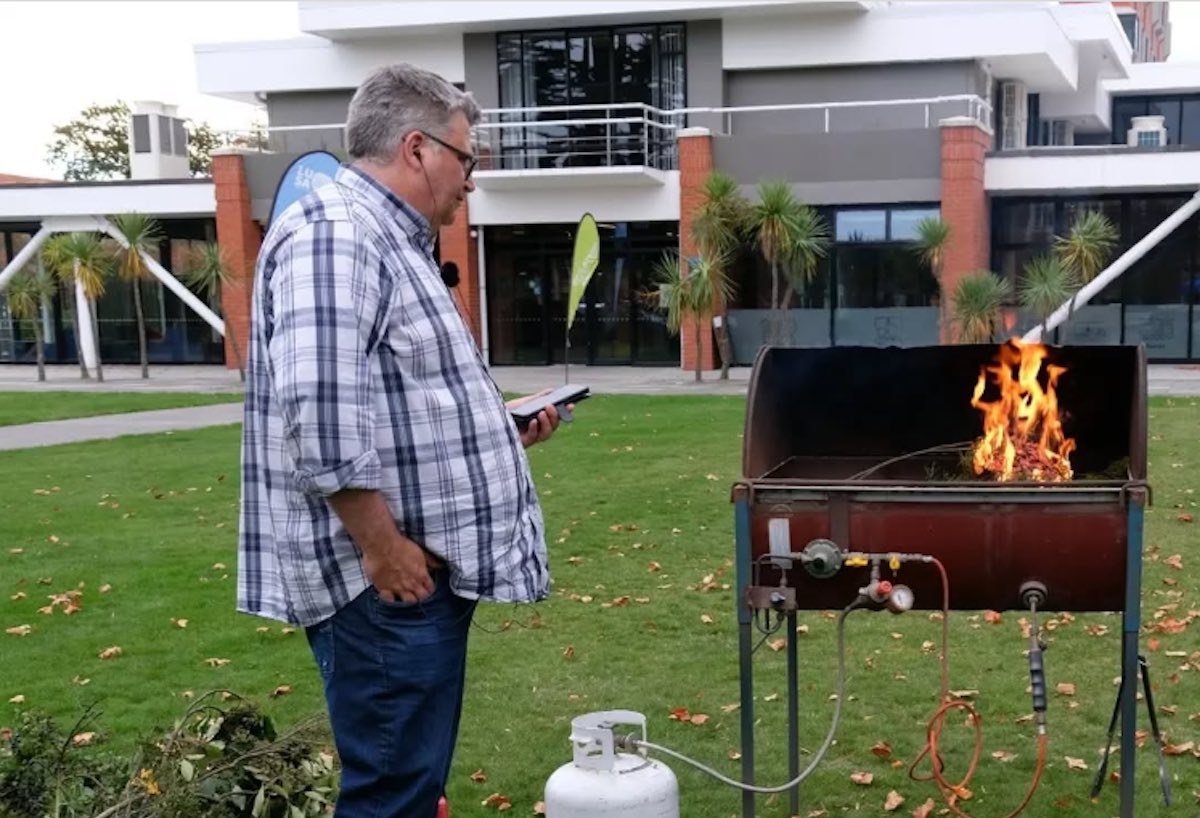
    The recent fire on the Wither Hills is a timely reminder of how important it is to plan for fire in restoration work. Fittingly, we have just hosted a webinar on being more fire-smart in our projects

    Read more here

  • Winter 2025 newsletter

    Winter 2025 newsletter

    Once again our district has been impacted by a severe flood event. We hope that you have not experienced too much damage to homes and properties.

    We recommend reaching out to the Rural Support Trust if you need assistance or are feeling overwhelmed.

    At times like this, our planting projects are the last things on our minds!

    However, every extreme weather event – that so-called 100-year flood yet again, reinforces that we must act now. Thank you for being part of that.

    Read more here

  • Profiling our working group: Julie Buunk

    Profiling our working group: Julie Buunk

    Next up in our team spotlight is Julie Buunk. Julie was the first to join our working group!


    What inspired you to become involved in the Wairau Nature Network?

    As a keen tramper and ex-DOC field worker I’m drawn to natural places. I live on our family farm in the Fairhall area. My father started planting small areas of the farm in native trees and shrubs around the year 2000, these plants are now of a decent size. This got me thinking if one person working alone can produce such inspiring results then what would happen if people worked together across the district?

    What’s the biggest environmental challenge you think the Wairau catchment faces right now?

    The lack of indigenous biodiversity, the Wairau Catchment (in particular the lowland areas) is a highly modified productive landscape, in most cases spare spaces such as riparian strips are largely dominated by woody weeds and other invasive exotic species.

    Can you share a project or achievement from the Network that you are most proud of?

    I am very excited about the progress of the Wairau Nature Networks mapping program. When completed, this will allow members of the public to easily see where there is existing native vegetation, and how best to connect these areas with new plantings.

    How do you see the role of community partnerships in restoring and protecting local ecosystems?

    Vegetation restoration is hard work; the planting is really the easy part. By sharing the workload, not only can we achieve more, but it also creates a personal connection to the project. By neighbouring properties collaborating, communities sharing knowledge and even resources, we can effectively work together and start to connect native areas to form corridors or stepping stones across the landscape.

    What makes the Wairau area so special to you?

    I’m from two local farming families, born and raised on the plains. Within the generation before mine, any remaining native species were removed from the family farm. How amazing it would be to have these remnants still and protect them!

    The peaks, ranges and side tributaries of the catchment are my tramping playground. An annual walk-in camping trip to a clearing beside a pristine river in the Richmond Ranges has become a tradition for my children to share with family friends.