Tag: Working Group

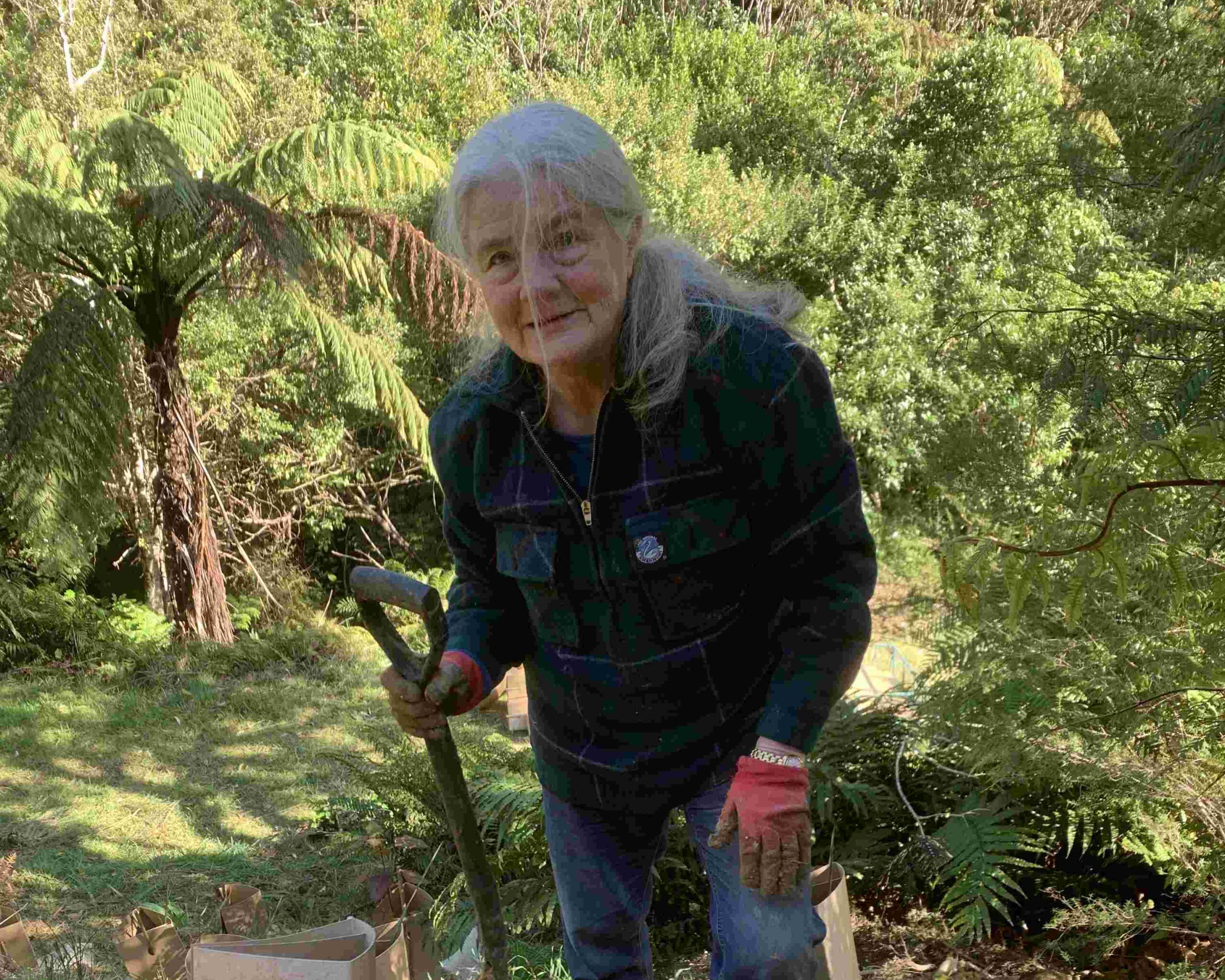
  • Profiling our Working Group: Alistair Bull

    Profiling our Working Group: Alistair Bull

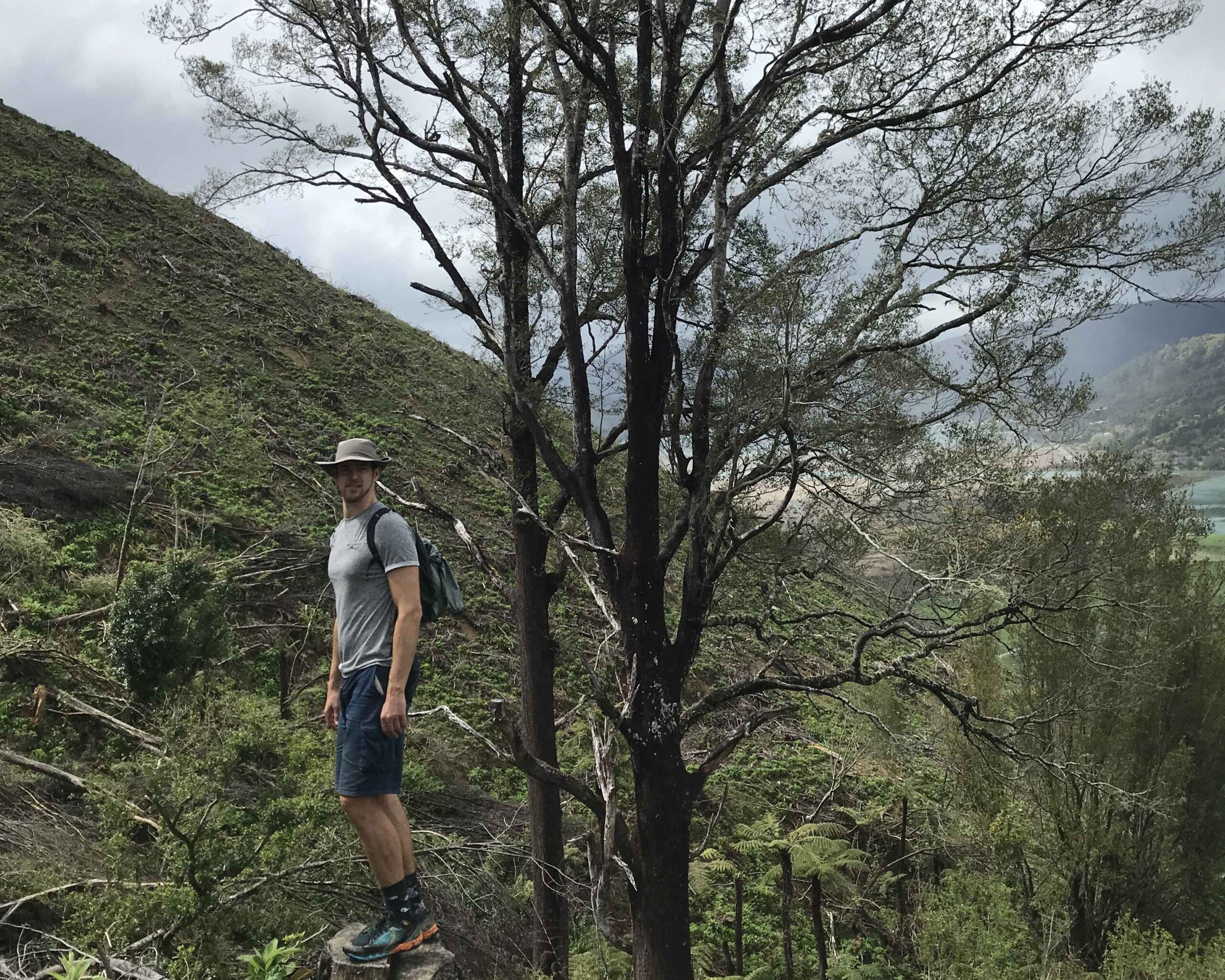
    We are incredibly fortunate to have Alistair Bull with us. Alistair is not only a skilled ecologist but also a talented web developer and the creator of our Wairau Information Hub | Tāmata.
    Al, the spotlight is on you!

    What inspired you to become involved in the Wairau Nature Network?

    A lifetime of interest in the outdoors and spending time in nature has made me very aware of the impacts on the environment. The Wairau valley is unique with higher rainfall on the Northbank ranges and drier to the south, offering climates and habitats for a diverse range of species. I’m excited to contribute to a future where the catchment is reconnected with native flora and fauna being able to move freely across the landscape.

    What’s the biggest environmental challenge you think the Wairau catchment faces right now?

    A history of land use change, removing native flora in favour of increased productive land, has led to the loss of much of the birdlife across the catchment, with some species almost disappearing entirely.

    Can you share a project or achievement from the network that you are most proud of?

    The time spent creating an organisation that has a sustainable, long-term future is important. Our goals looking decades into the future align with the timescales of regeneration. The ongoing collation and creation of information resources on our website for landowners and local groups to help with their restoration projects is a great tool.

    I am excited about getting started on planting at our first WNN restoration site at Thomsons Ford Reserve.

    How do you see the role of community partnerships in restoring and protecting local ecosystems?

    No one person or small group is capable of reaching our goals of increasing biodiversity across the entire catchment. Communities working on their local environment and networking with other groups across the catchment to support and share knowledge and resources are critical to the success of the project.

    What is your personal connection to the Wairau area – what makes it so special to you?

    Having lived in the Wairau for 20 years, I have explored many corners of the landscape, from the peaks of the Richmond ranges, the beaches and the Wairau River itself while also spending a lot of time in the Marlborough Sounds. I would love to see the bird life we see in the Sounds encouraged back into the Wairau.

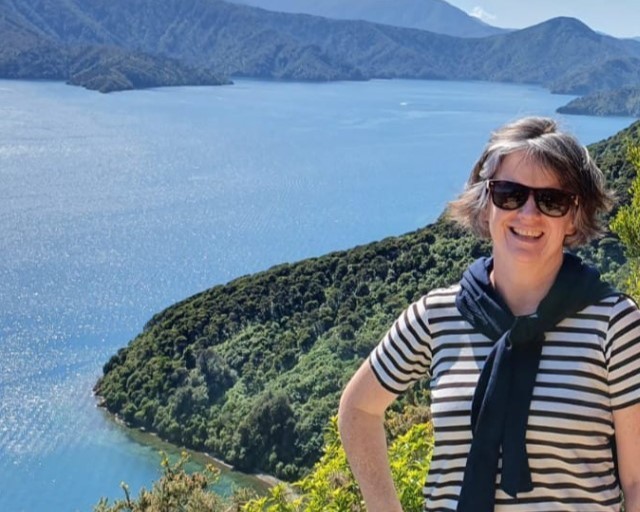
  • Profiling our working group: Helen Braithwaite

    Profiling our working group: Helen Braithwaite

    The Wairau Nature Network working group is powered by people who have an immense wealth of experience. Next in our profile series is Helen Braithwaite, a true stalwart of nature whose behind-the-scenes efforts keep things moving without fuss.

    What inspired you to become involved in the Wairau Nature Network?

    I am involved with Forest & Bird and a few other local environmental projects and it seemed like a good idea to connect the people and projects via a green corridor.

    What’s the biggest environmental challenge you think the Wairau catchment faces right now?

    Apart from climate change and water issues that are universal challenges, the Wairau has a lack of the original lowland native vegetation along the awa – both as seed sources and tree cover.

    Can you share a project or achievement from the network that you are most proud of?

    WNN now has a website and a map that can hold information and help individuals and groups to restore native vegetation and species.

    How do you see the role of community partnerships in restoring and protecting local ecosystems?

    Partnerships are vital to achieve widespread restoration, as no one person or organisation can achieve this on their own. By developing partnerships, progress can be maintained, not being dependent on just a few individuals or one funding source.

    What is your personal connection to the Wairau area – what makes it so special to you?

    My partner and I chose to move to Marlborough as we love the area. The Wairau catchment has huge potential to reintroduce native biodiversity by working with people and organisations in the area.

  • Profiling our working group: Kristen Dempster

    Profiling our working group: Kristen Dempster

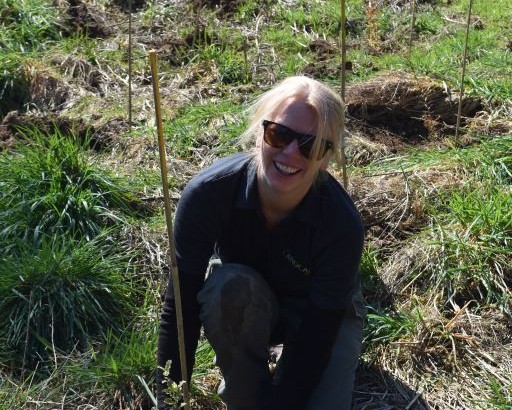
    The Wairau Nature Network working group is strengthened by people like Kristen Dempster, whose process-driven approach and sharp eye for detail help turn ideas into practical action.

    What inspired you to become involved in the Wairau Nature Network?

    There are a lot of exciting restoration projects happening in the Wairau Catchment, and it’s great to have a network for connecting people, sharing enthusiasm, knowledge, and resources within the community.

    What’s the biggest environmental challenge you think the Wairau Catchment faces right now?

    In terms of habitat restoration, there’s fragmentation between pockets of indigenous vegetation and restoration projects. The Network’s interactive mapping tool illustrates this. The Network provides support for increasing ecological stepping stones between these established and establishing sites.

    Can you share a project or achievement from the network that you are most proud of?

    The Network has achieved a lot since its inception, including regular workshops and the mapping tool. The website is a great resource for anyone interested in restoration planting. Strengthening existing community networks and creating opportunities for more people to get involved is the best achievement.

    How do you see the role of community partnerships in restoring and protecting local ecosystems?

    Community partnerships are key to restoring local habitats. There are lots of community-led restoration projects. The Network provides a hub in the Wairau Catchment to support anyone who wants to be involved.

    What is your personal connection to the Wairua area – what makes it so special to you?

    The hills. The landscapes of the Wither Hills and Richmond Ranges are beautiful and are great for recreation.

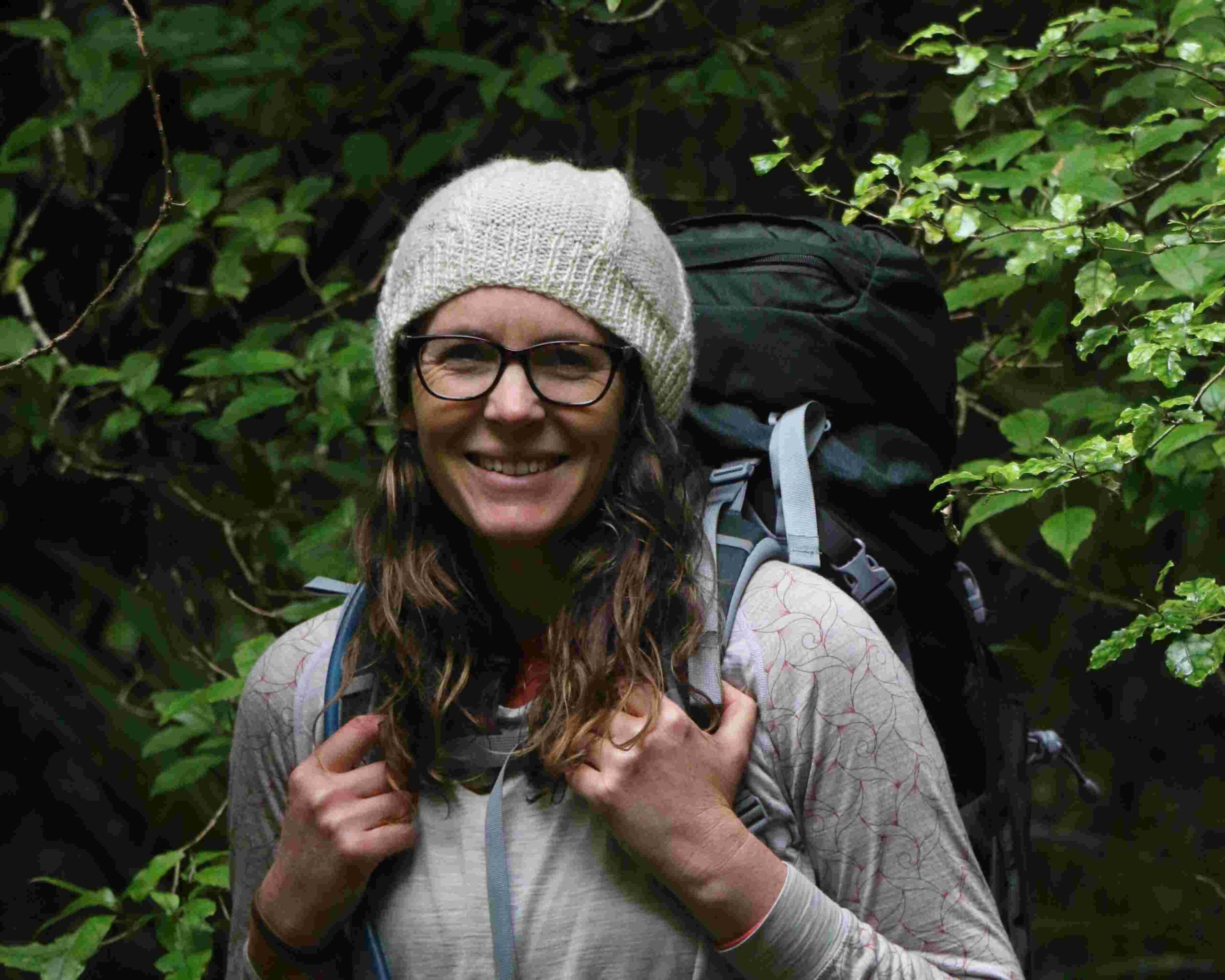
  • Profiling our working group: Angela Wentworth

    Profiling our working group: Angela Wentworth

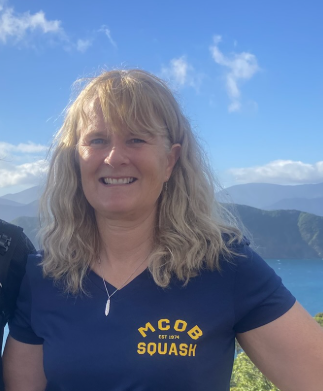
    The Wairau Nature Network thrives thanks to a dedicated team of passionate community members – and it’s time to celebrate the people behind the mahi. First up in our profile series is Angela Wentworth, whose commitment to nature and community is inspiring.

    What inspired you to become involved in the Wairau Nature Network?

    As an environmental educator for Marlborough District Council, I work with tamariki and rangatahi who really care about the environment. They notice things – fewer birds in their playgrounds, rubbish in their awa – and they want to do something about it.

    I joined the Wairau Nature Network because it’s a great way to connect schools with the amazing people and groups already taking action and be part of a community effort to restore the health and biodiversity of the Wairau.

    What’s the biggest environmental challenge you think the Wairau catchment faces right now?

    One of the biggest challenges isn’t unique to Wairau, it’s the loss of connection with nature. When we give young people the chance to learn in nature and discover how incredible it is, that connection grows and they become its biggest advocates.

    Can you share a project or achievement from the network that you are most proud of?

    I’m proud of all that the Network has achieved so far. It’s no small feat to have come from one idea and a meeting to gauge interest to now having a committee, hosting restoration workshops, and building an online hub full of tools, stories, and videos to help others start or strengthen their own restoration journeys. It’s been a huge, combined effort.

    How do you see the role of community partnerships in restoring and protecting local ecosystems?

    They’re so important. No single organisation can restore an entire catchment, it takes everyone. Community partnerships bring together local knowledge, energy, and a shared purpose to protect the places we all love.

    What is your personal connection to the Wairau area – what makes it so special to you?

    I love the variety of natural spaces here, the braided Wairau River, Whites Bay, Grovetown Lagoon, and the Wairau River Estuary. Each place has its own uniqueness. I especially love introducing children to these spaces and seeing their wonder and curiosity as they explore and learn outdoors.

  • Profiling our working group: Julie Buunk

    Profiling our working group: Julie Buunk

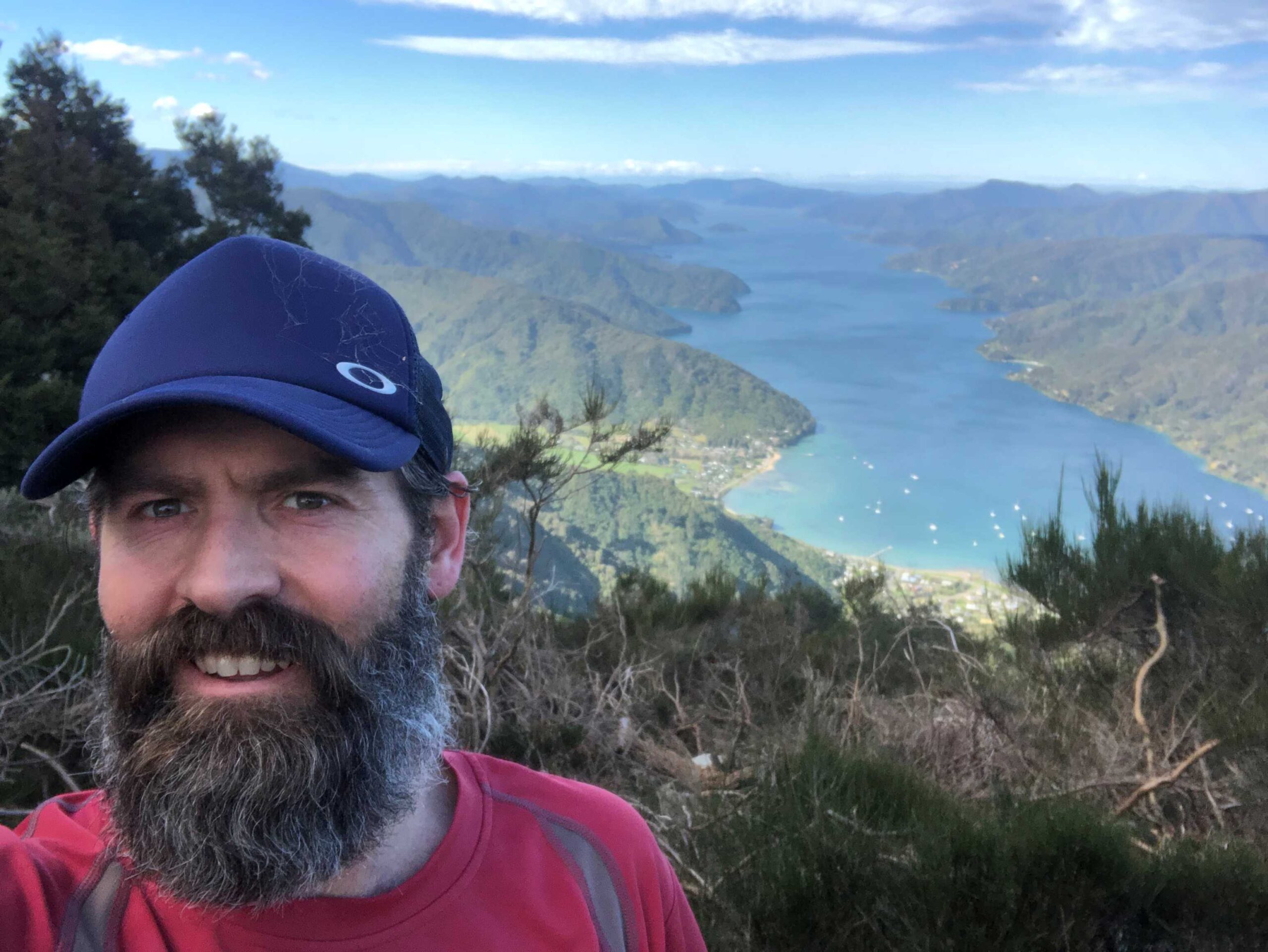
    Next up in our team spotlight is Julie Buunk. Julie was the first to join our working group!


    What inspired you to become involved in the Wairau Nature Network?

    As a keen tramper and ex-DOC field worker I’m drawn to natural places. I live on our family farm in the Fairhall area. My father started planting small areas of the farm in native trees and shrubs around the year 2000, these plants are now of a decent size. This got me thinking if one person working alone can produce such inspiring results then what would happen if people worked together across the district?

    What’s the biggest environmental challenge you think the Wairau catchment faces right now?

    The lack of indigenous biodiversity, the Wairau Catchment (in particular the lowland areas) is a highly modified productive landscape, in most cases spare spaces such as riparian strips are largely dominated by woody weeds and other invasive exotic species.

    Can you share a project or achievement from the Network that you are most proud of?

    I am very excited about the progress of the Wairau Nature Networks mapping program. When completed, this will allow members of the public to easily see where there is existing native vegetation, and how best to connect these areas with new plantings.

    How do you see the role of community partnerships in restoring and protecting local ecosystems?

    Vegetation restoration is hard work; the planting is really the easy part. By sharing the workload, not only can we achieve more, but it also creates a personal connection to the project. By neighbouring properties collaborating, communities sharing knowledge and even resources, we can effectively work together and start to connect native areas to form corridors or stepping stones across the landscape.

    What makes the Wairau area so special to you?

    I’m from two local farming families, born and raised on the plains. Within the generation before mine, any remaining native species were removed from the family farm. How amazing it would be to have these remnants still and protect them!

    The peaks, ranges and side tributaries of the catchment are my tramping playground. An annual walk-in camping trip to a clearing beside a pristine river in the Richmond Ranges has become a tradition for my children to share with family friends.