Tag: community

  • How to run a successful working bee

    How to run a successful working bee

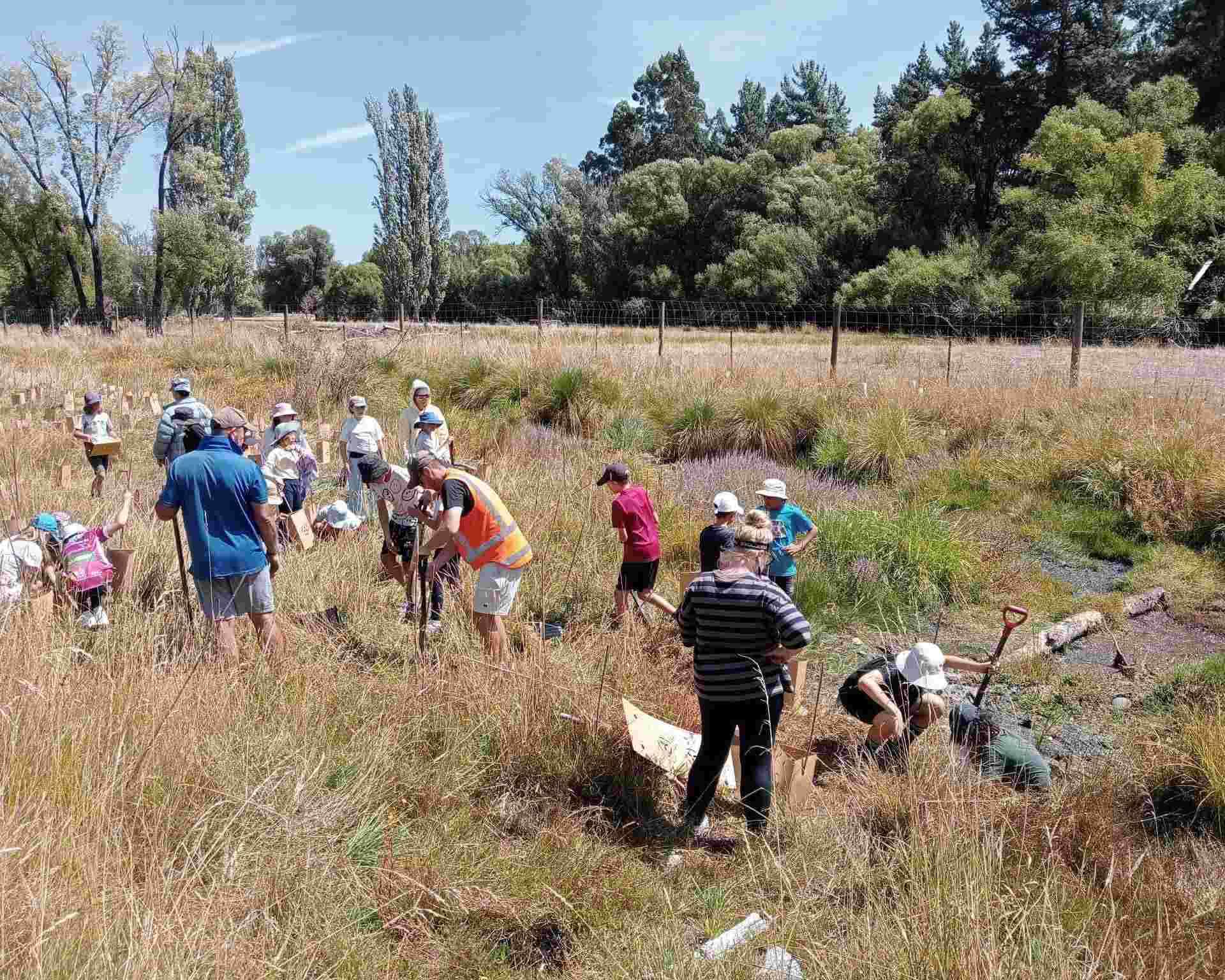
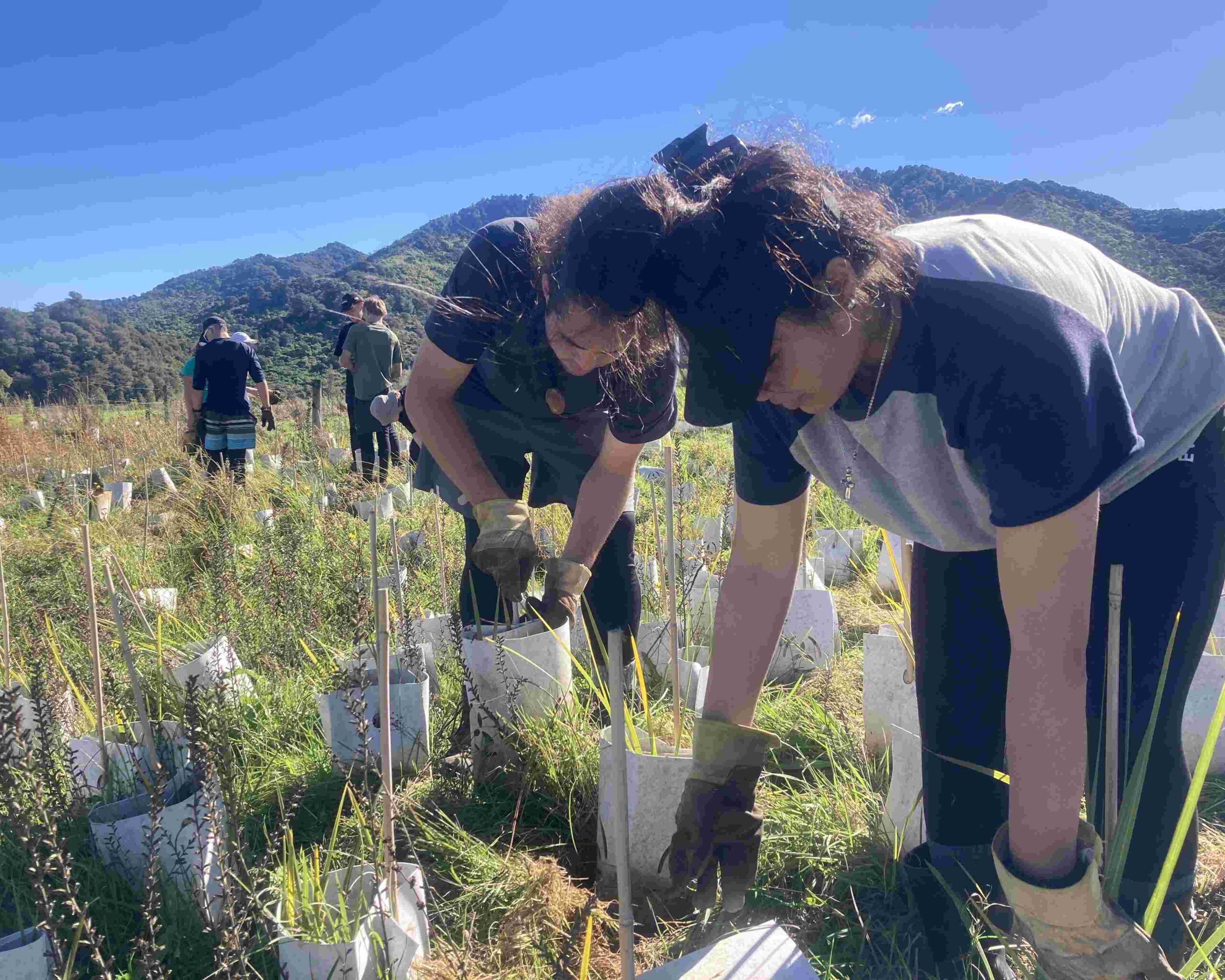
    Working bees are a win–win: you get valuable work done on your land, while participants enjoy a meaningful day outdoors, learning, connecting with others, and contributing to environmental care. To help make your working bee safe, enjoyable, and productive, here are some key things to consider.

    Read more here

  • Upcoming: Community planting day

    Upcoming: Community planting day

    Community Planting Day, 6 June 2026 9:30am -12:30pm

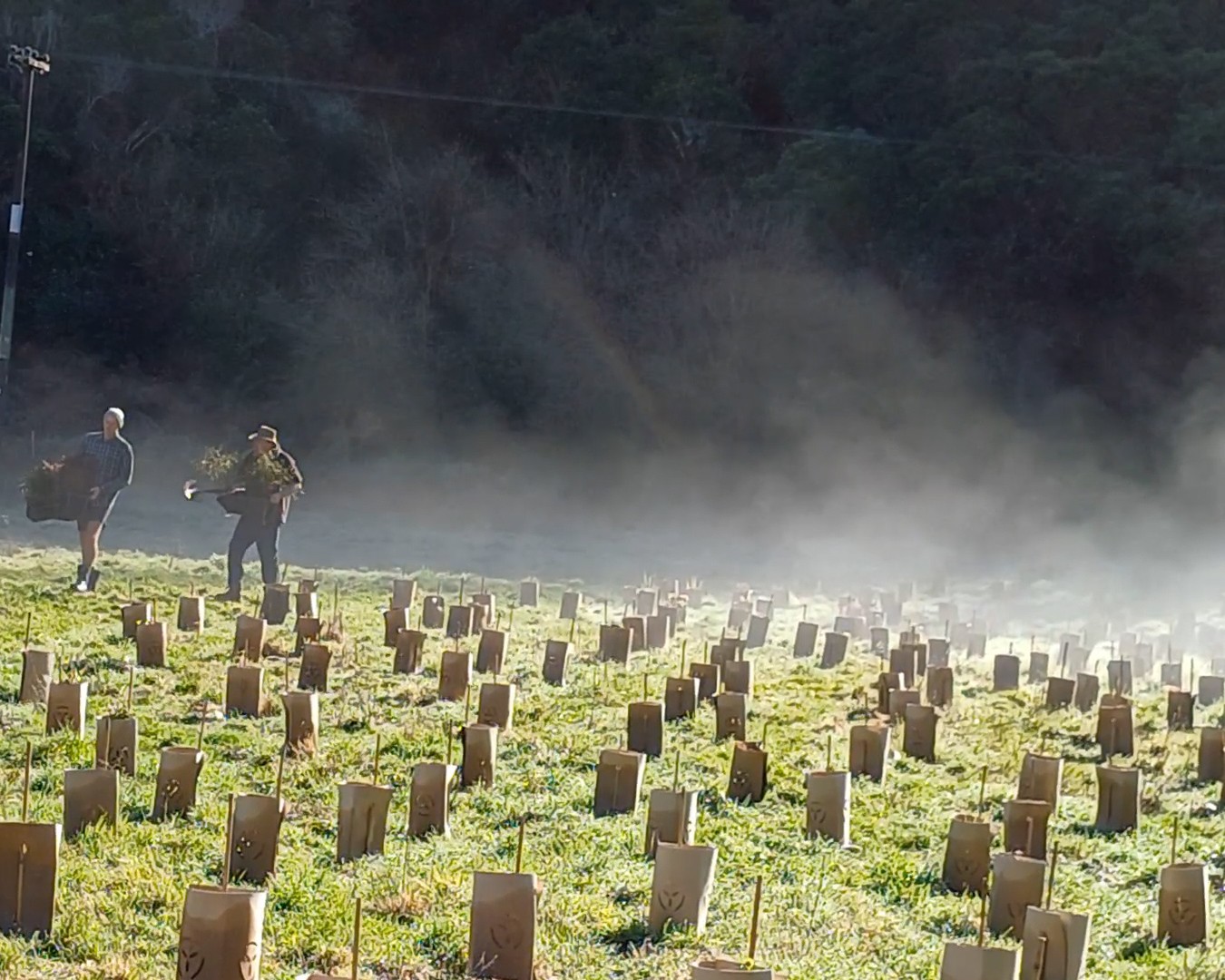
    Thomsons Ford Reserve has been adopted by the Wairau Nature Network as a demonstration site for restoration techniques and educational opportunities.

    We are excited about working with you to plant the first 1000 trees!

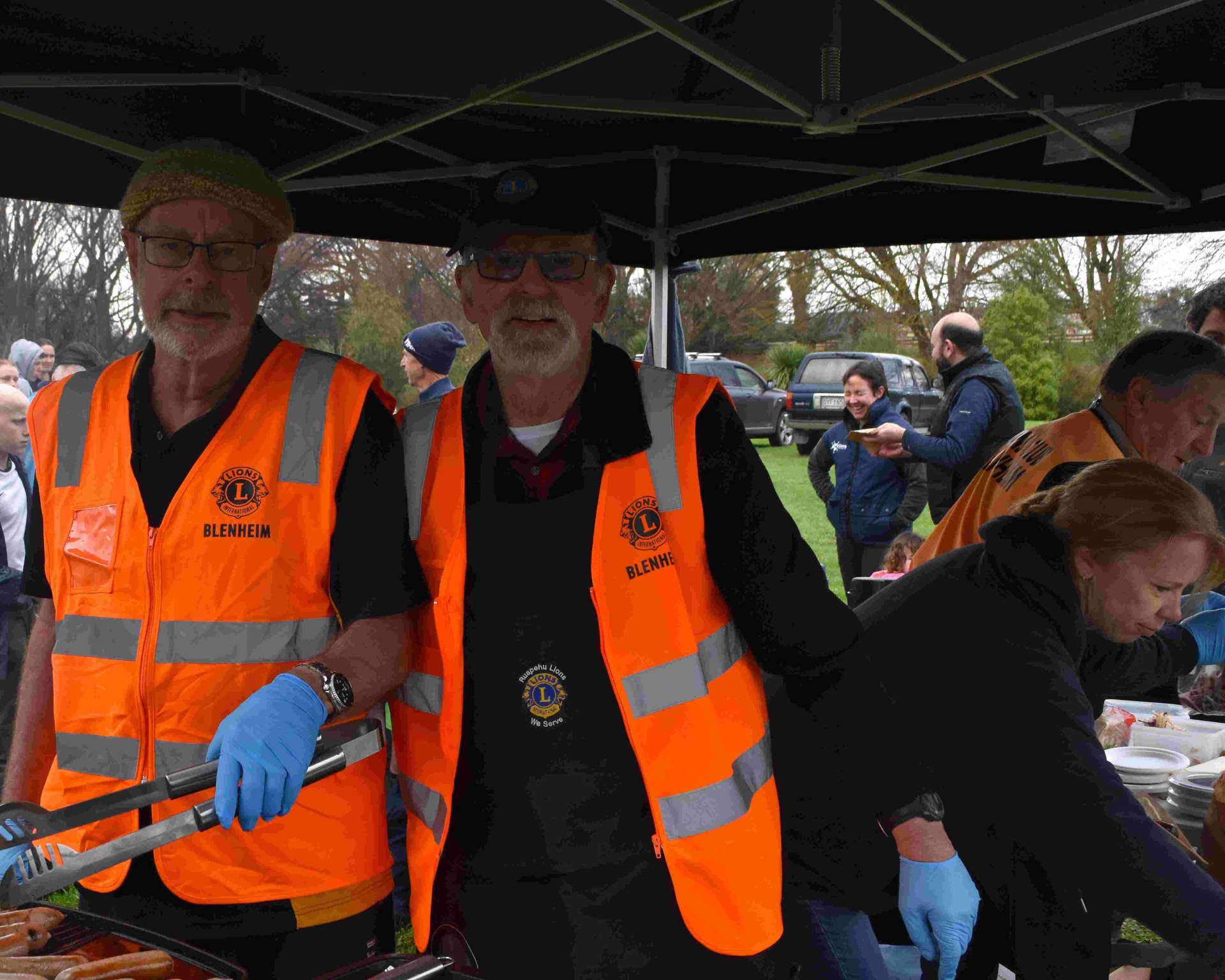
    Planting from 9:30-12pm, then join us for a BBQ lovingly cooked by the Lions Club Blenheim. For catering please register here

    Where: Thomsons Ford, junction of O’Dwyers and Thomsons Ford roads

    Bring: warm clothes, gumboots or solid boots, a spade if you have one, and a water bottle

    Postponement: 13th June- registered volunteers will receive email notification, otherwise please check Wairau Nature Network facebook page before 8:30am.

    Any questions, please email wendy.sullivan@landcare.org.nz

    This event is part of Junior Landcare, a nationwide initiative by NZ Landcare Trust and supported by the Bupa Foundation, connecting families to nature through fun, hands-on experiences. The Wairau Nature Network is proud to be the Junior Landcare host for 2026!

  • Marlborough Chinese Community family day

    Marlborough Chinese Community family day

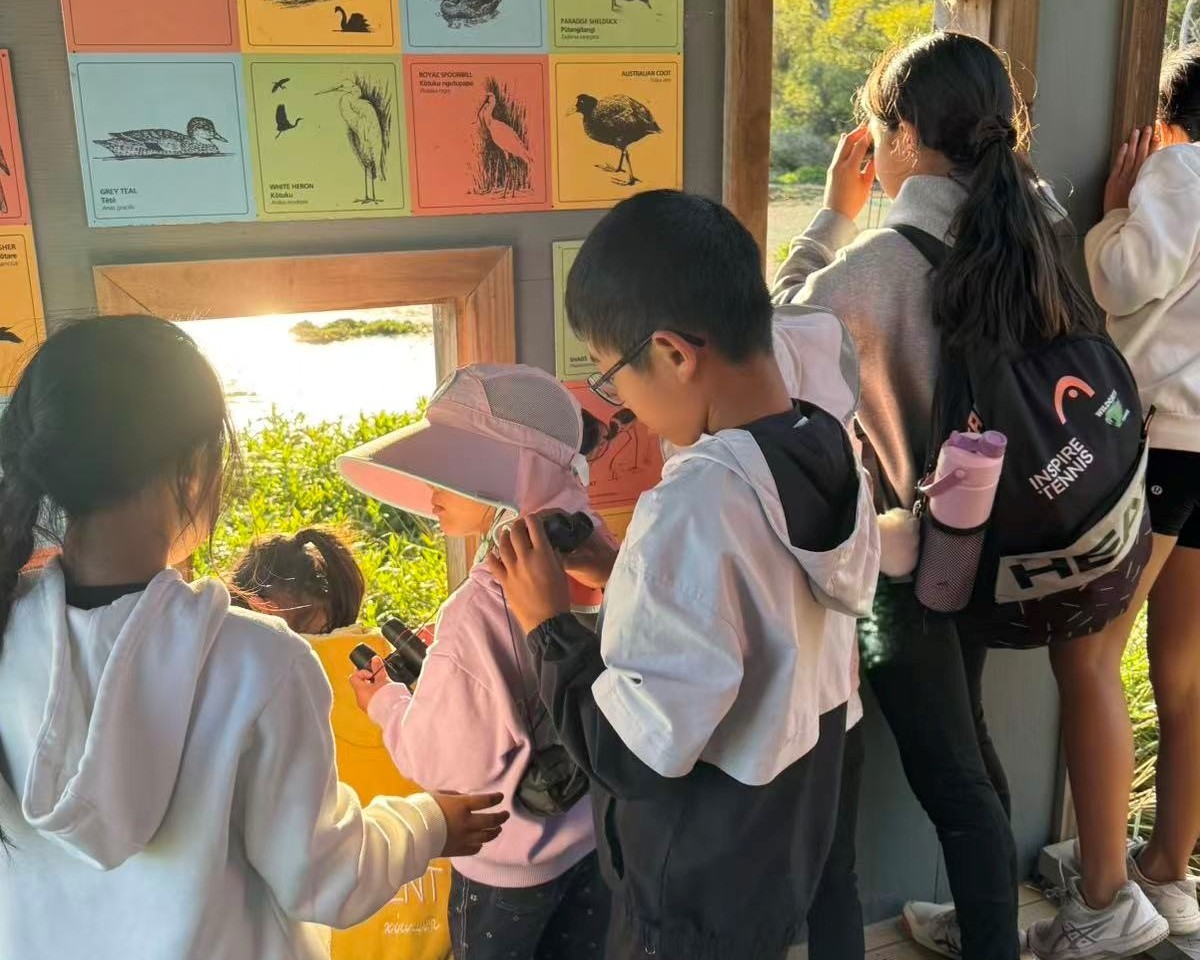
    We had a wonderful afternoon with families from the Marlborough Chinese Community, exploring the Grovetown Lagoon and its forests on a sensory treasure hunt, visiting the bird hide, and enjoying a relaxed picnic in the late afternoon sun.

    It’s always rewarding to help the community connect to nature in their place and we look forward to many more events together.

  • Working with your neighbours to enhance habitat connectivity

    Working with your neighbours to enhance habitat connectivity

    Wairau Nature Network (WNN) helps weave together people, wildlife, and native ecosystems across the Wairau Catchment to enhance the health and connectivity of our natural habitats. One of the easiest ways to make a real difference is working with your neighbours to connect patches of habitat, creating corridors for kererū, tūī, wētā, and other native species.

    Why neighbourhood restoration matters

    • Support native wildlife: Corridors allow species such as kererū, tūī, and bellbirds to move between forest fragments. Many species provide an important ecosystem function, such as seed dispersal, so having a full suite of species is critical to overall
      habitat health
    • Stronger ecosystem resilience: Connected and healthy habitats help streams, wetlands, and paddocks withstand drought, floods, and pests, and in turn, the populations within them during catastrophic events.
    • Shared effort, shared rewards: Coordinating planting, fencing, or pest control multiplies results.
    • Community connection: Working together builds relationships across the catchment.

    How to start engaging with your neighbours

    1. Friendly conversation first
      • Invite your neighbour for a chat, coffee, or a short walk around your property.
      • Ask what they care about – native birds, healthy streams, or sustainable land use.
      • Keep it simple – talk about trees, streams, birds, and wētā rather than technical catchment jargon…or politics!
    1. Find common ground
      • Maybe you both want more kererū food trees, or fewer pests in your gardens.
      • Shared goals will guide what actions you take together.
    1. Host informal gatherings
      • Once you think you have buy-in from one or two neighbours, go wider with a social event, working bee and/or picnic by a wetland, or a short walk to look at potential corridors.
      • Keep it social – enthusiasm spreads faster than rules and forms!

    Practical actions for connectivity

    1. Map your opportunities
      • Sketch where native vegetation already exists.
      • Identify gaps where corridors could link existing bush, riparian margins, or wetlands.
      • WNN’s mapping tool can help visualise high-priority sites.
    2. Collaboration ideas
      • Plant together: native shrubs and trees along boundaries or stream edges.
      • Pest management: coordinate traps and bait lines across neighbouring properties.
      • Share resources: seedlings, tools, advice, or volunteer time.
      • Monitoring: track birds, lizards, or wētā to see improvements.

    Keeping momentum simple

    • Make a shared plan (can be just a few bullet points): what, when, who, and what resources are needed.
    • Celebrate wins: first planting, first kererū sighting, first pest-free patch.
    • Be flexible: small, achievable steps build trust and long-term participation.

    Can you (or do you want to) grow bigger?

    • Your informal group may get to a point of wanting to expand efforts and/or area.
    • Often, funding is limited to formalised groups that have a legal entity, so this may be
      an option you want or need to take.
    • There may already be an existing group you could partner with to fill this
      responsibility.
    • Talk to the Wairau Nature Network about what support they can offer in this space.
    • NZ Landcare Trust has plenty of resources available for starting a catchment (or environmental) group.

    Tips for Success

    • Respect different levels of interest – sometimes it’s just not the right time for people; keep the ‘gate’ open for when they do choose to join in.
    • Listen deeply – understand what matters to your neighbours.
    • Leverage local knowledge – people know which areas are best for planting, fencing, or pest control.
    • Seek expert help – Wairau Nature Network, NZ Landcare Trust and Council love to support restoration efforts!
    • Keep it practical – even small plantings along a fence line can create important wildlife corridors.
    • Respect privacy – only share information with each other’s permission.

    Resources

    NZ Landcare Trust catchment resources – https://landcare.org.nz/resource/catchment-group-starter-guide/

    Wairau Nature Network – contains a resource library of best practice guidance, funding prospects and connection opportunities: https://wairaunaturenetwork.org.nz/

    Wairau Nature Network mapping tool – https://wairaunaturenetwork.maphq.co.nz/

    Download this guide

  • Health & Safety template for Volunteers and Events

    Health & Safety template for Volunteers and Events

    This guidance document and template can be used to help community groups and individuals develop a health and safety plan for the activities they are undertaking when using volunteers. Just Copy and Paste into a Word document and change as you need.

    Template