
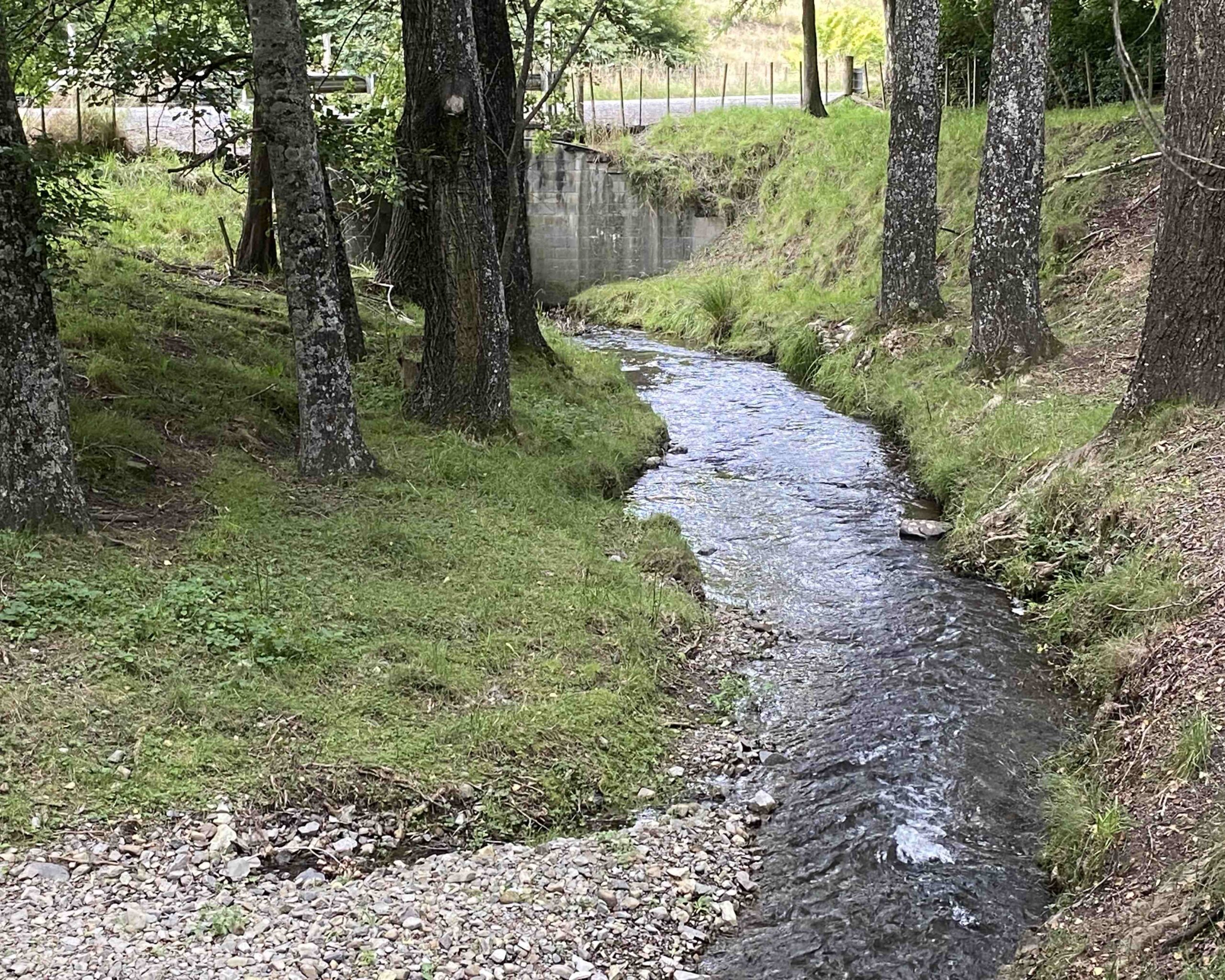
The guidelines offer comprehensive guidance for managing willow and alder species—whether planting for erosion control or removing invasive stands—in wetlands, riparian zones, and farmland contexts
Resource Category: Waterways
-
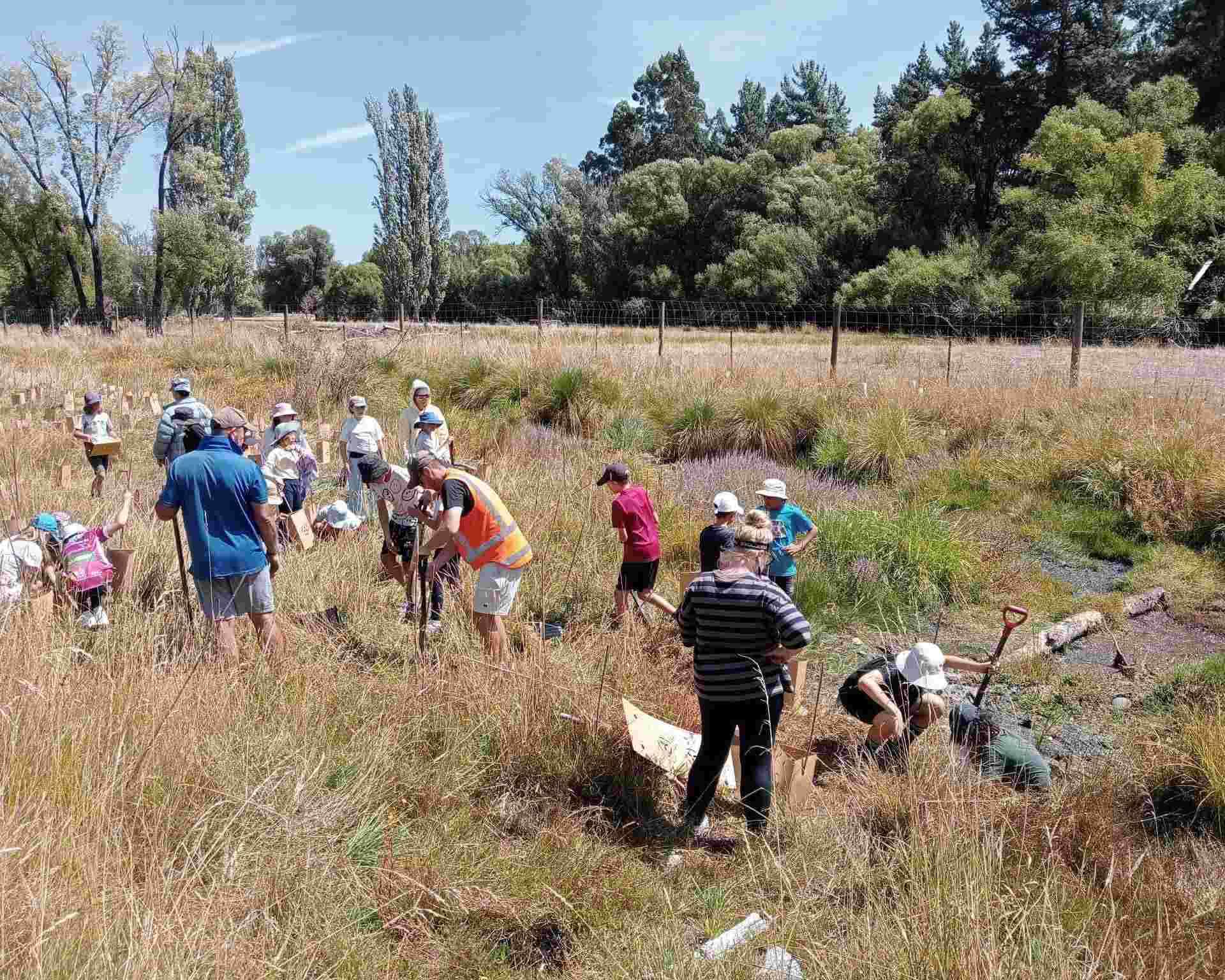
Riparian buffer design
NIWA’s Riparian Buffers resource explains how vegetated strips of native grasses, shrubs, and trees between farmland and waterways act as natural filters—slowing runoff, trapping sediment, and reducing nitrogen and phosphorus entering water systems
-
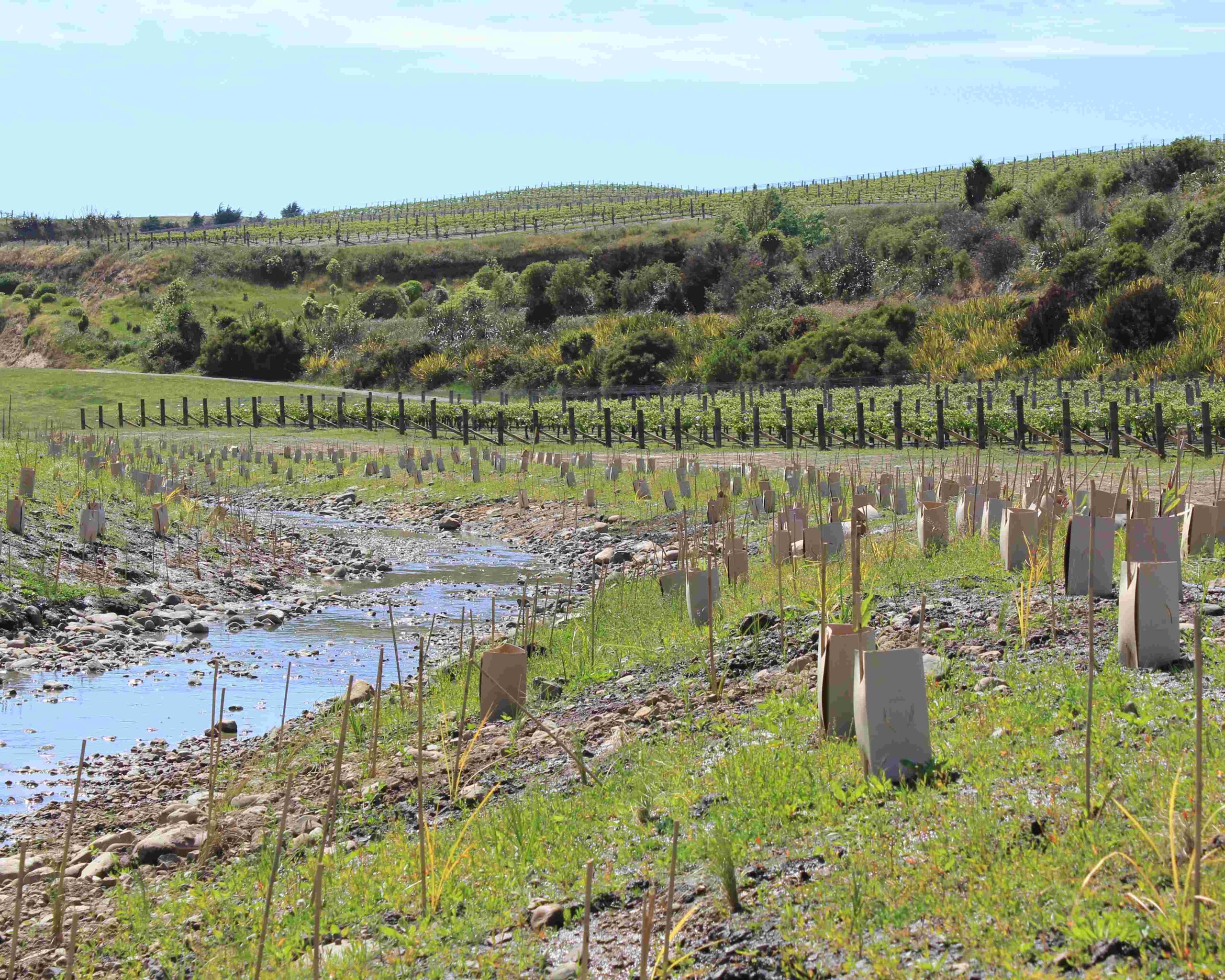
Managing Riparian Zones
A practical, science-based instructions for planning and implementing riparian management schemes, specifically for New Zealand’s modified and agricultural landscapes
-
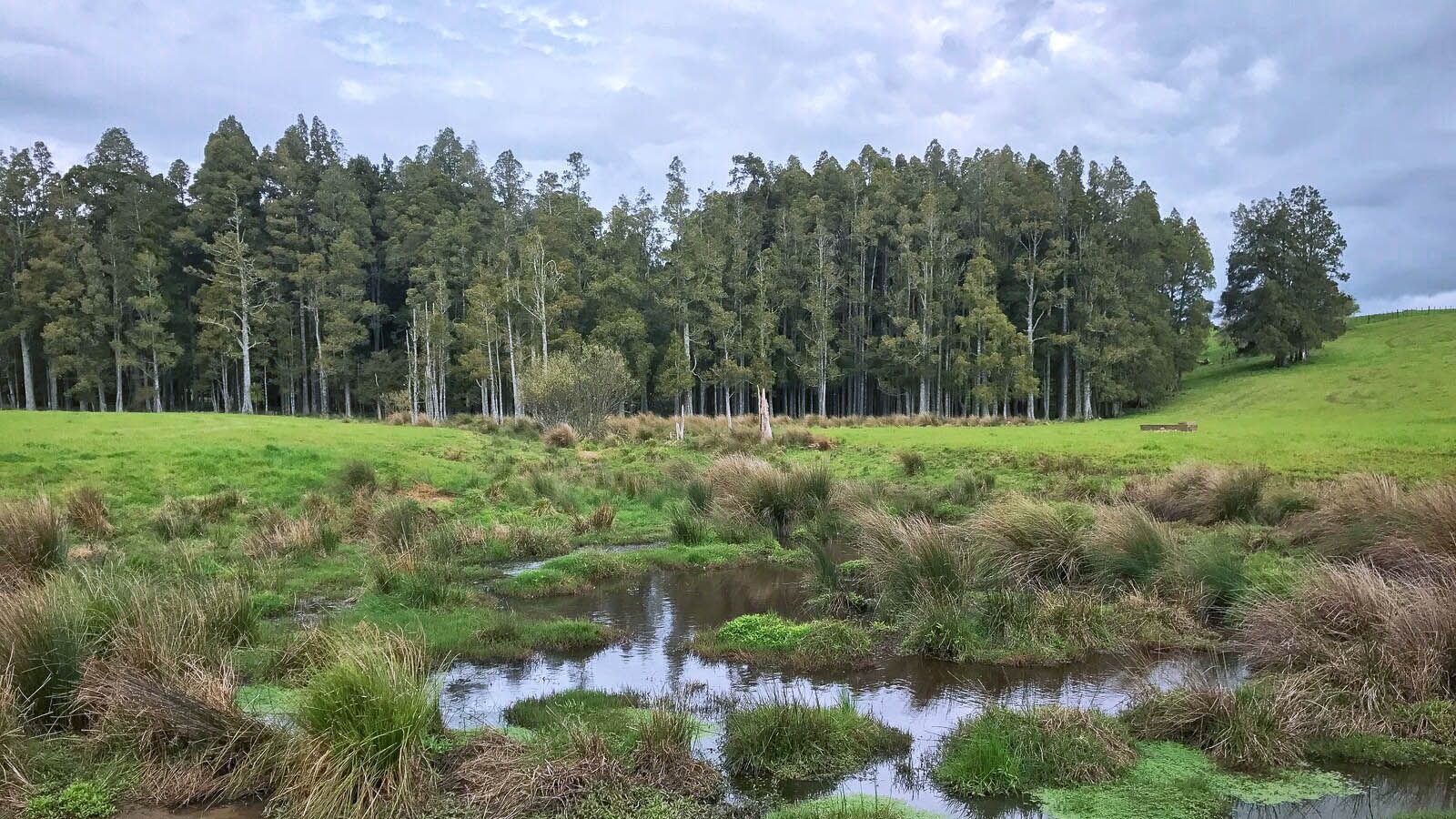
West Coast Farm Plan Project
The West Coast Farm Plan Project – Videos & Case Studies page offers a practical video series led by freshwater ecologist Dr Duncan Gray, guiding farmers through key aspects of stream health. Designed specifically for farmers, the short clips have information applicable to dairy, beef, deer, and cropping systems.
-
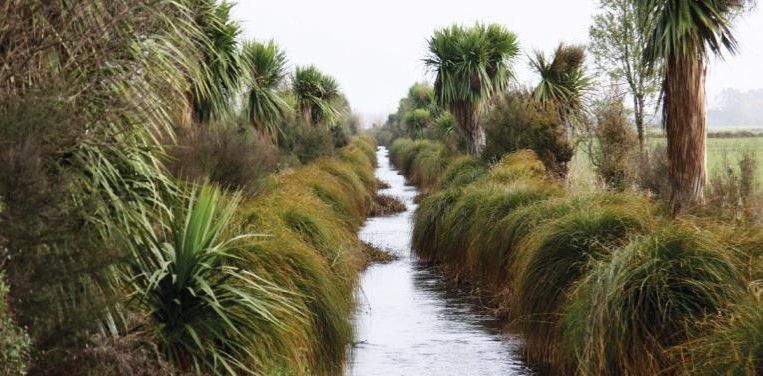
Carex plantings along board drains
This guide offers practical advice on successfully establishing native sedge (Carex) species in wetland and riparian areas.
-
Riparian Planting Guide
Step-by-step instructions for the planning and implementing riparian restoration along streams and rivers.
-
Restoring our lowland waterways: from streams to drainage ditches
This webinar explores how even the most modified waterways can be brought back to life. Presented by Nathan Burkepile of NZ Landcare Trust, the session shares practical insights, real-world examples, and hopeful pathways for restoring ecological function, biodiversity, and resilience across lowland landscapes. Whether you’re working with streams, drains, or something in between, this webinar highlights why every waterway matters and what we can do to make a difference.