
Wairau Information Hub | Tāmata
Connecting landscapes and communities through
ecological corridors
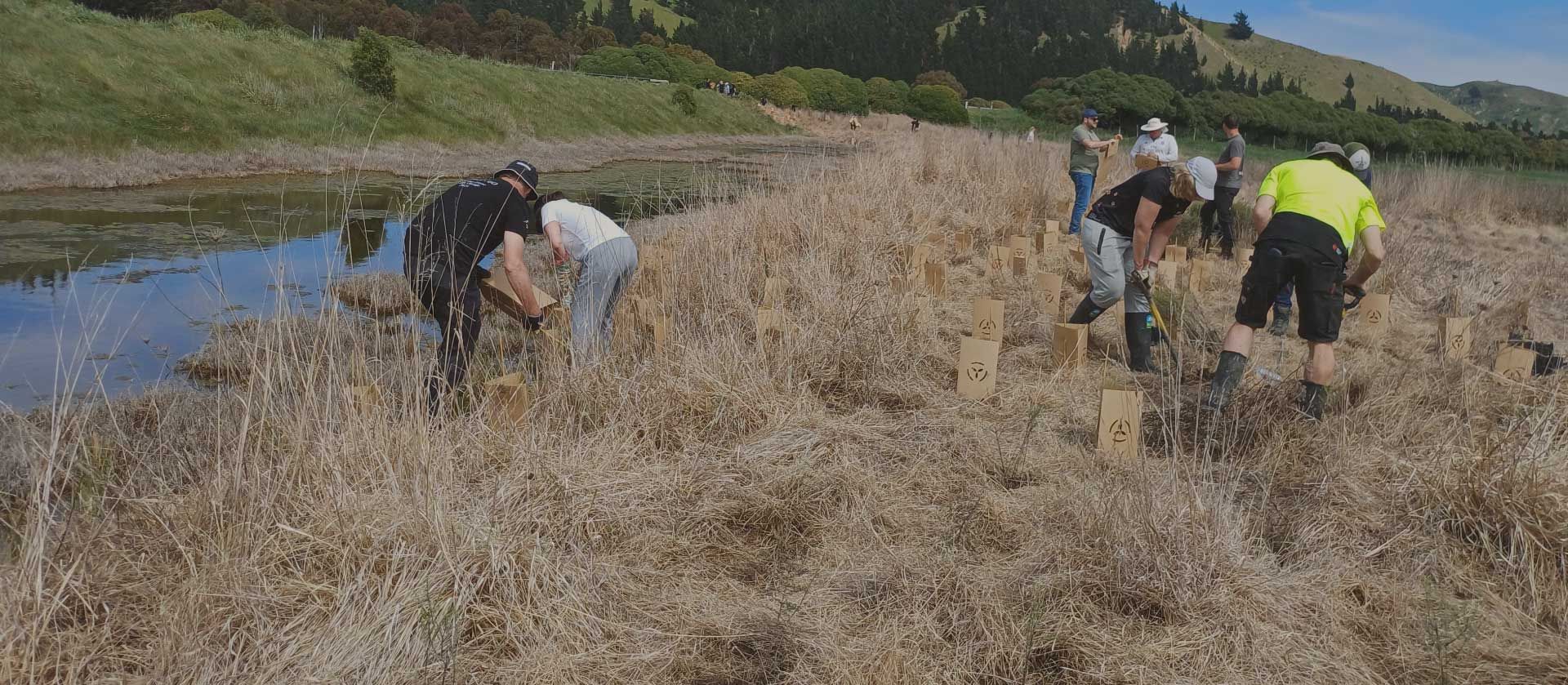
The Wairau catchment is Marlborough’s most degraded, with only 4–11% of native vegetation remaining in the lowlands. This is below the 15% needed for species survival. The Wairau Nature Network brings communities together to restore and connect these habitats through Ecological Corridors. We're helping native species thrive and strengthening our landscape’s resilience.
Tāmata and Haumi
Two complementary initiatives were developed by the Wairau Nature Network to support coordinated restoration across the catchment.
Tāmata — meaning “to revitalise” — is the Wairau Information Hub. It provides a shared platform for knowledge, practical guidance, tools and restoration stories to support informed action.
Haumi — meaning “to work together in collaboration” — is the Wairau EcoMap, an interactive mapping platform designed to visualise restoration activity, identify opportunities for ecological corridors, and support coordination across properties and projects.
Together, Tāmata and Haumi integrate information and collaboration, supporting both ecological and social connectivity within the Wairau catchment.
The te reo Māori names were gifted by Rangitāne, tangata whenua of the Wairau catchment.
Our Goals
Achieve 15% native vegetation cover in the Wairau lowlands by 2045 through community-led ecological corridors.
Educate and inspire communities about restoration benefits, encouraging active participation in biodiversity enrichment.
Provide accessible technical knowledge to support successful restoration efforts and enhance community engagement.
Facilitate partnerships and support community planting initiatives to enrich local biodiversity.
Visualise landscape connectivity, prioritise restoration areas, and measure success to motivate ongoing efforts through mapping.
What are Ecological Corridors?
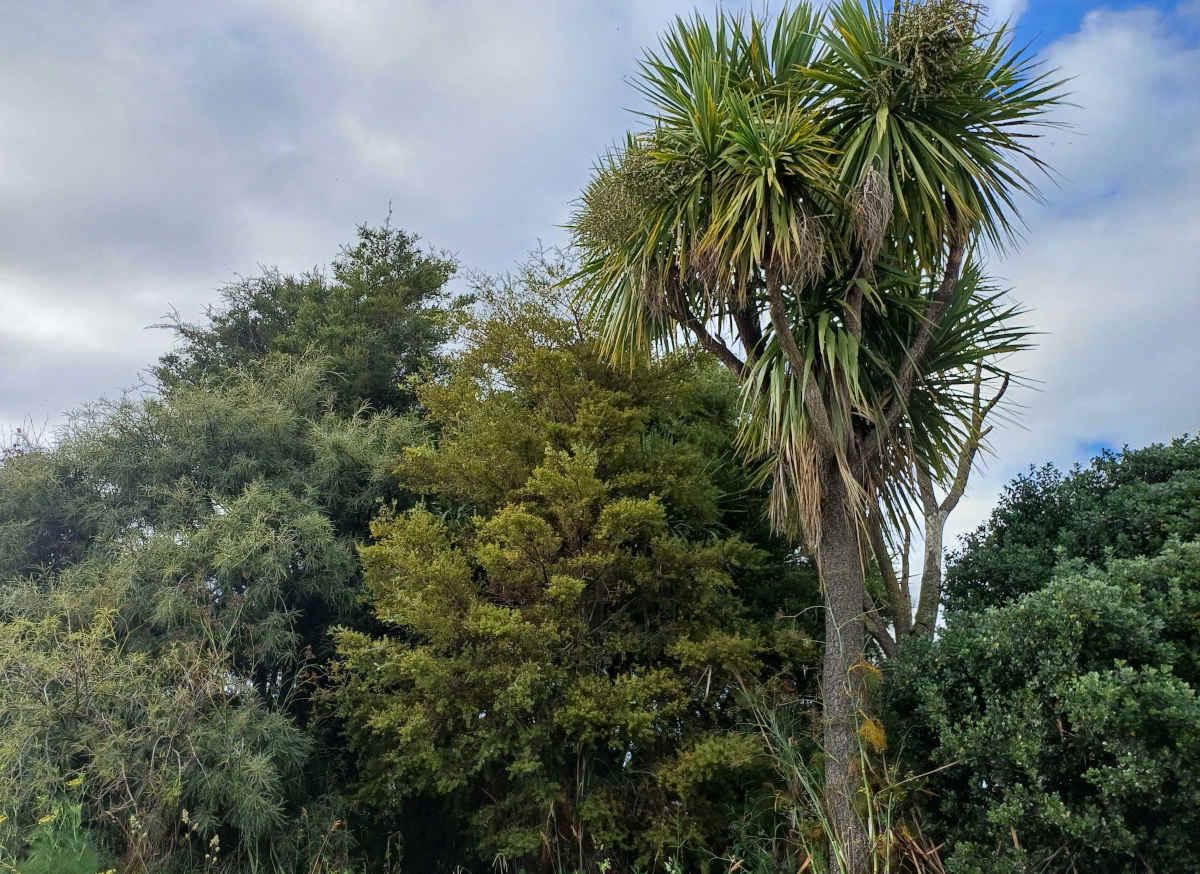
Ecological Corridors are stretches of native vegetation—like riparian margins, hedgerows, and unproductive land—that act as pathways for wildlife. They enable animals to find food, mates, and habitats, maintaining genetic diversity and ecosystem health. By linking isolated habitat patches, corridors boost the landscape’s ability to adapt to climate change and other pressures.
Benefits for the Community
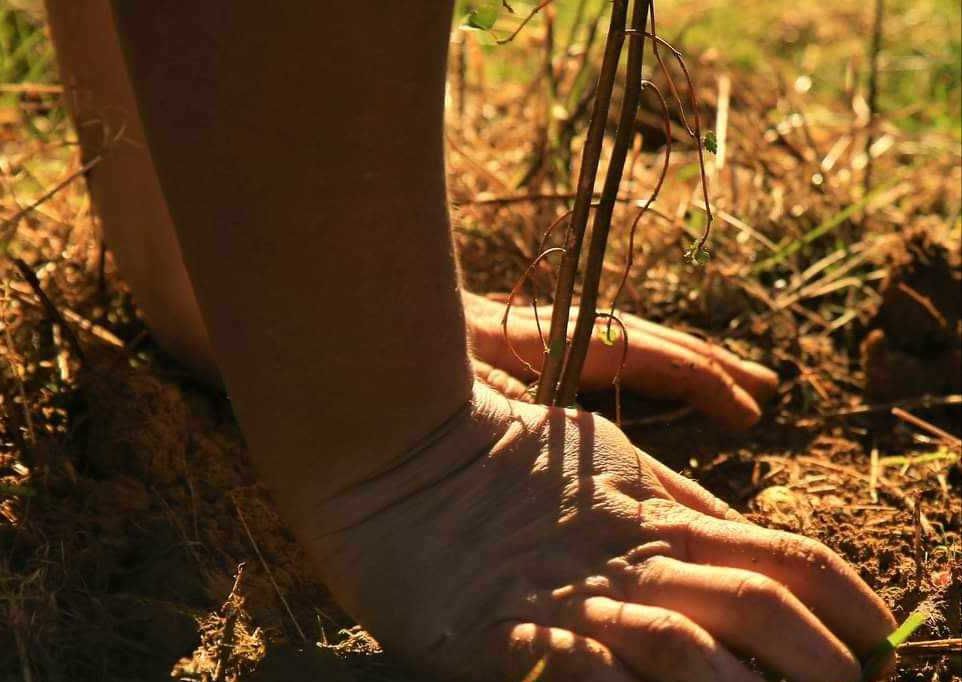
Ecological Corridors improve water quality, reduce erosion, and provide shelter for crops, livestock, and people. They enhance landscape beauty and create more recreational opportunities. These corridors can coexist with productive land, supporting pollinators and improving farm resilience.
With community motivation, support, and practical knowledge, land managers gain the confidence and skills to restore corridors effectively, turning fragmented habitats into thriving, resilient ecosystems.
How can you get involved?
Our community is growing and you're welcome to join us! Among us we have volunteers, sponsors, educators, landowners and more.
Ehara taku toa i te toa takatahi, engari he toa takitini
Our strength is not made from us alone, but made from many.
Keep updated
Don't miss our next event!
Our principal supporters